NASCAR is changing the Daytona formula again
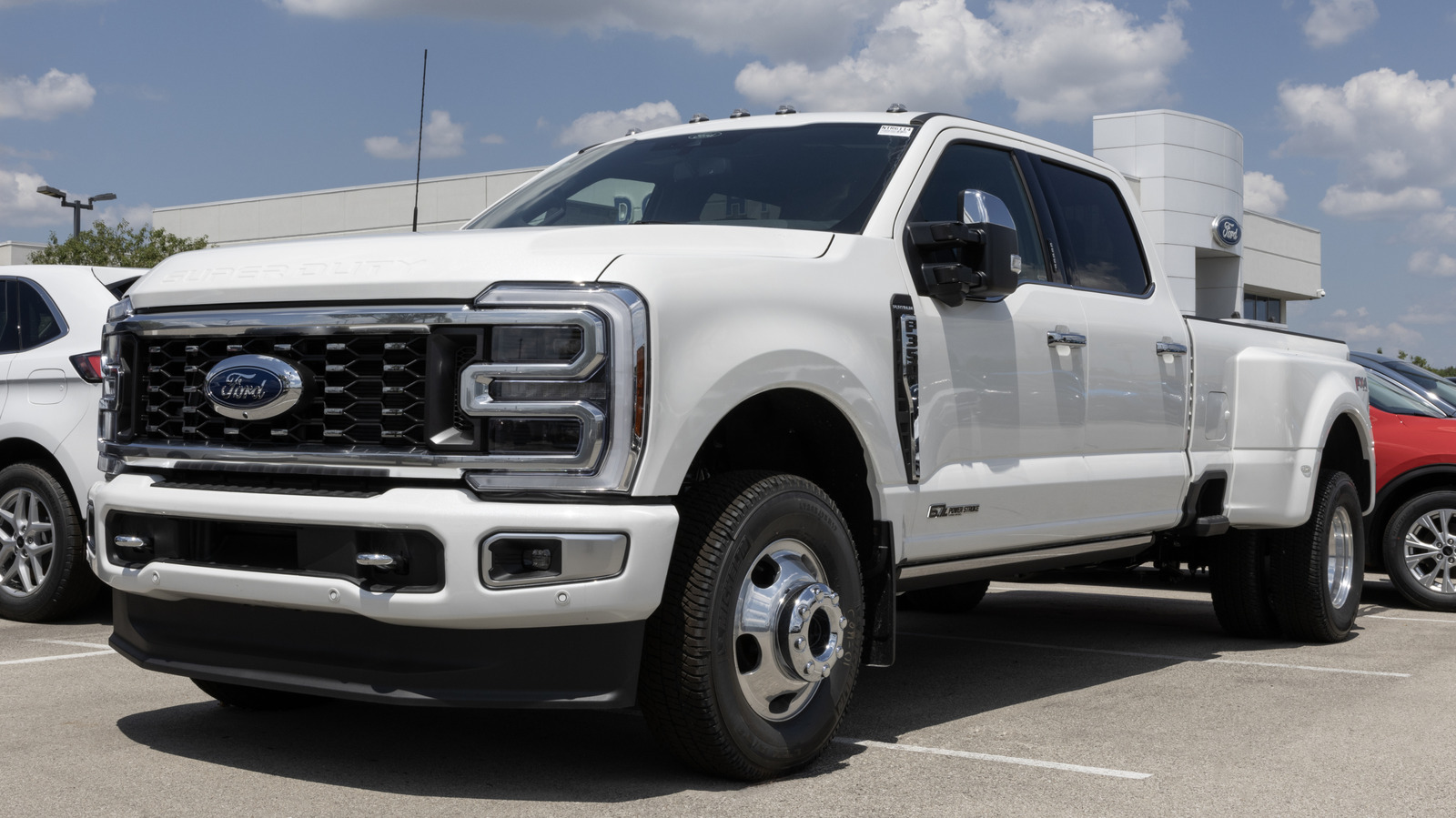
When the NASCAR Cup Series returns to Daytona on August 29 for the Coke Zero Sugar 400, teams will arrive with a different superspeedway package. The most eye-catching number is the new power figure: 465 horsepower. That is 45 horsepower lower than the previous superspeedway package, and notably below the output of Ford’s road-going Mustang GT.
But the power cut is only one side of the change. NASCAR is also reducing rear-spoiler height from 7 inches to 4 inches, a move intended to cut downforce and alter how cars behave when they are running alone versus in the draft. According to the source report, the lower spoiler height is expected to let single cars run up to 3 mph faster, which NASCAR hopes will make overtaking easier and produce less stagnant racing.
Why less horsepower comes with less downforce
At first glance, reducing power and downforce at the same time can look contradictory. NASCAR’s reasoning, as described in the report, is that the horsepower reduction compensates for the aerodynamic change. Lowering the spoiler reduces drag and downforce, which can allow a car to carry more speed on its own. Cutting horsepower helps balance the overall package while still changing the racecraft dynamics.
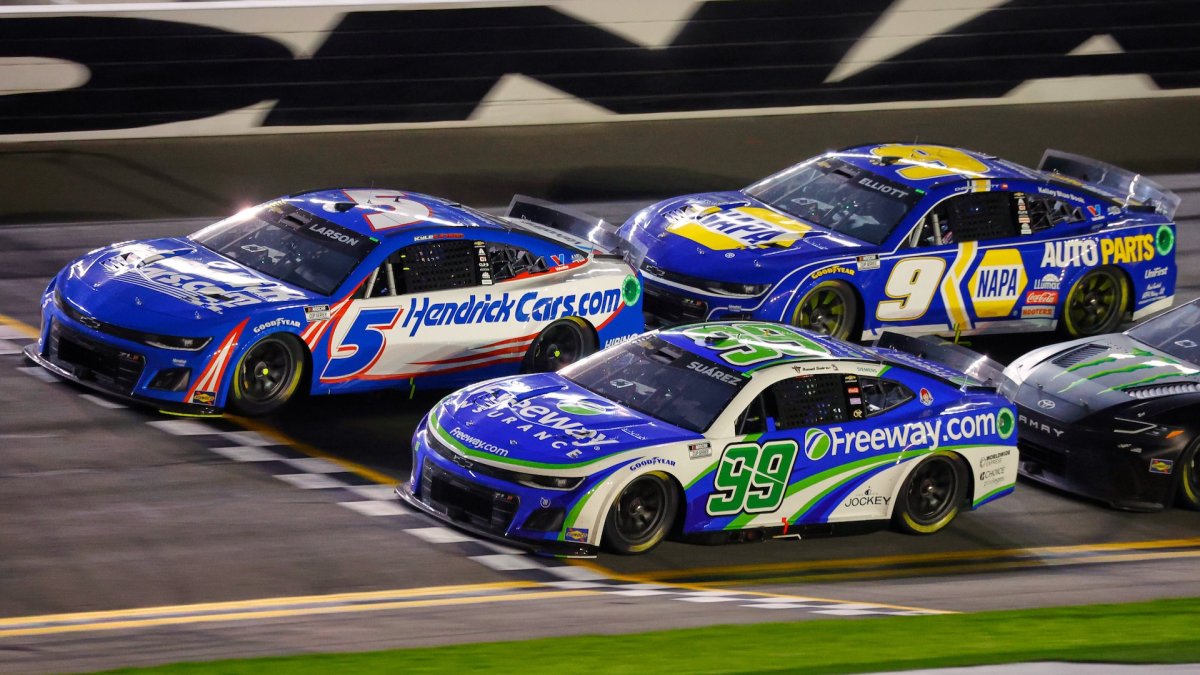
The broader goal is not simply to make the cars slower or faster in a straight line. It is to make them behave differently in traffic. Superspeedway racing in the Next-Gen era has often produced large packs where individual cars struggle to advance unless strategy, pit timing, or a caution reshuffles the field. NASCAR appears to be targeting that structural problem rather than only headline top speed.
The problem NASCAR is trying to solve
On big drafting tracks such as Daytona, drivers are often strongest when they remain tightly connected to the pack. That creates a racing environment where a car’s best opportunity can depend less on making a move in clean air and more on surviving until a final sequence of pit stops or late-race incidents creates an opening.
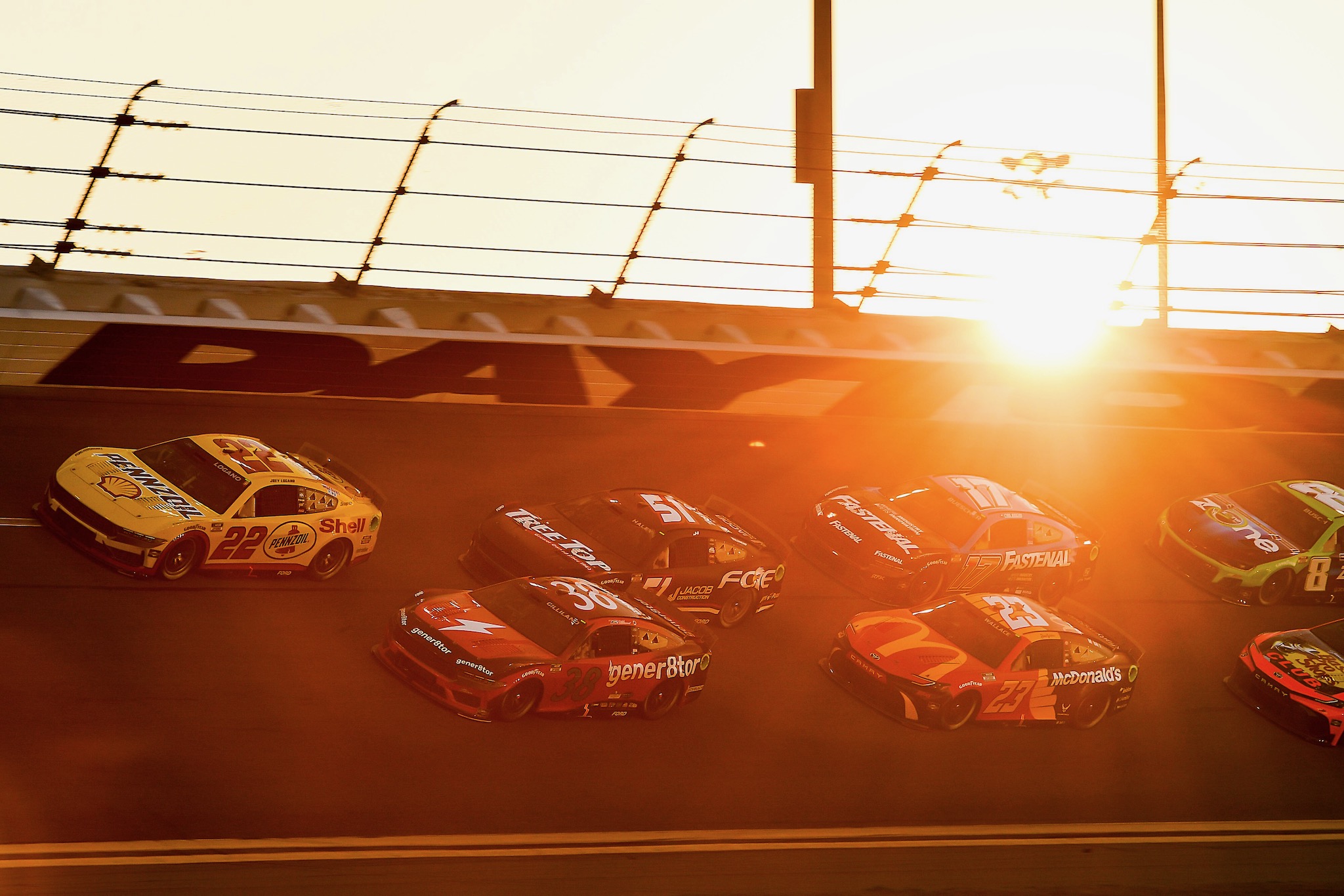
The report describes the issue in practical terms: track position is frequently earned in the pits because cars are not as fast on their own as they are when tucked into the draft. If a single car can gain more speed independently, it becomes easier for drivers to attack, separate briefly from the pack, and complete passes that would otherwise stall out.
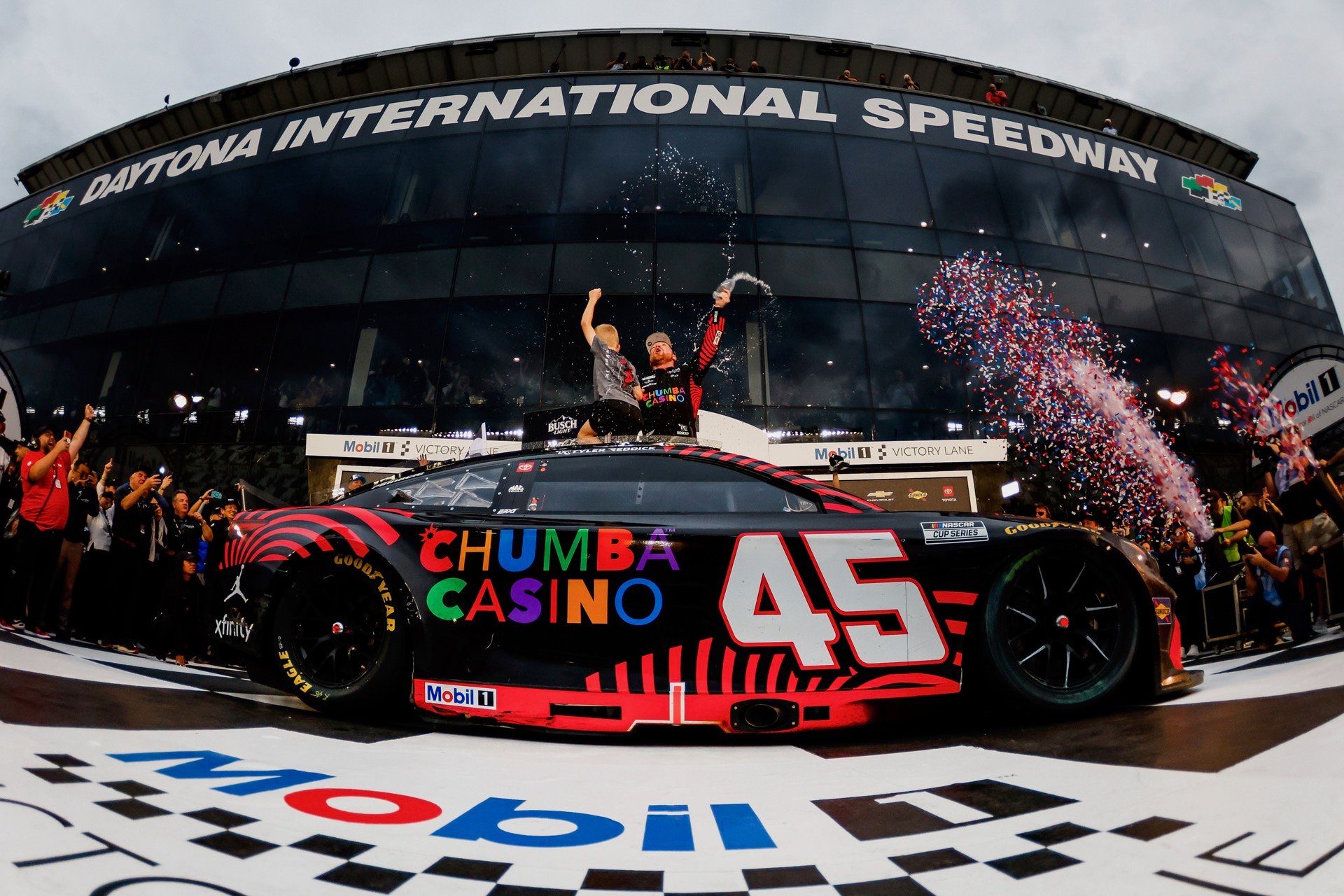
This is why NASCAR paired the spoiler cut with a package revision rather than treating the spoiler alone as a cosmetic tweak. The sanctioning body is attempting to create a setup in which individual runs matter more, and being trapped mid-pack matters less.
What drivers expect to change
Denny Hamlin, who was part of a working group that helped develop the rule changes, offered the clearest explanation in the report. From the driver’s seat, he said, teams often spend the race saving fuel for the last pit stop and know they generally need to be near the front by the final fuel window to have a real shot to win.
That dynamic narrows the number of realistic paths to victory. If a driver cycles out too far back, the aerodynamic nature of the pack can make forward progress difficult. Hamlin said that if a car comes out around 10th, it can become effectively stuck.
Under the revised package, the expectation is that the shorter spoiler will help drivers get out of the pack when they have a run, while also creating more spacing so they can slot back in after making a move. That matters because superspeedway drivers have to judge not only whether they can surge forward, but also whether there will be room to rejoin the line without losing momentum or triggering instability behind them.
EchoPark as a reference point
Hamlin pointed to the Cup Series’ most recent visit to EchoPark Speedway, formerly Atlanta Motor Speedway, as a model for the more aggressive style of racing NASCAR wants to encourage. The implication is not that Daytona will race exactly the same way, but that the sanctioning body sees value in a configuration where drivers feel more able to attempt bold moves instead of waiting passively for the race to come to them.
The report also notes a measure of caution. Hamlin described the change as NASCAR’s “first bite of the apple,” indicating that officials and competitors view this as an early step rather than a final answer. The data so far, he said, suggest roughly a 33% gain in the desired direction, but the real test will come once the package is exposed to full race conditions at Daytona.
A familiar Next-Gen trend
The Daytona revision also fits a larger pattern in the Next-Gen era: horsepower has been de-emphasized relative to the broader aerodynamic and competition package. Rather than chasing spectacle through raw engine output alone, NASCAR has been using rules adjustments to shape traffic behavior, lane choice, and passing opportunities.
That approach reflects the realities of modern stock-car racing, where the interaction between bodywork, drag, drafting, and wake turbulence can matter as much as the engine number on paper. A 465-horsepower figure may sound underwhelming in isolation, especially when compared with showroom performance cars, but the competition effect depends on how the package functions as a whole.

What to watch at Daytona
The August 29 race will serve as the first real validation of the revised superspeedway setup. The key question is whether single cars can generate meaningful speed advantages without making the field unstable or simply shifting the same old problems into a slightly different form.
If the rule changes work as intended, fans should see more opportunities for drivers to make moves before the closing laps and less dependence on waiting for pit cycles or wrecks to reset the order. If they do not, NASCAR may have to keep iterating.
For now, the sanctioning body is making a deliberate trade: less power on paper in exchange for more freedom to race. Daytona will show whether that trade produces the bolder, less locked-in superspeedway competition NASCAR is looking for.
This article is based on reporting by The Drive. Read the original article.
Originally published on thedrive.com