Brampton Moves Back Into the Conversation
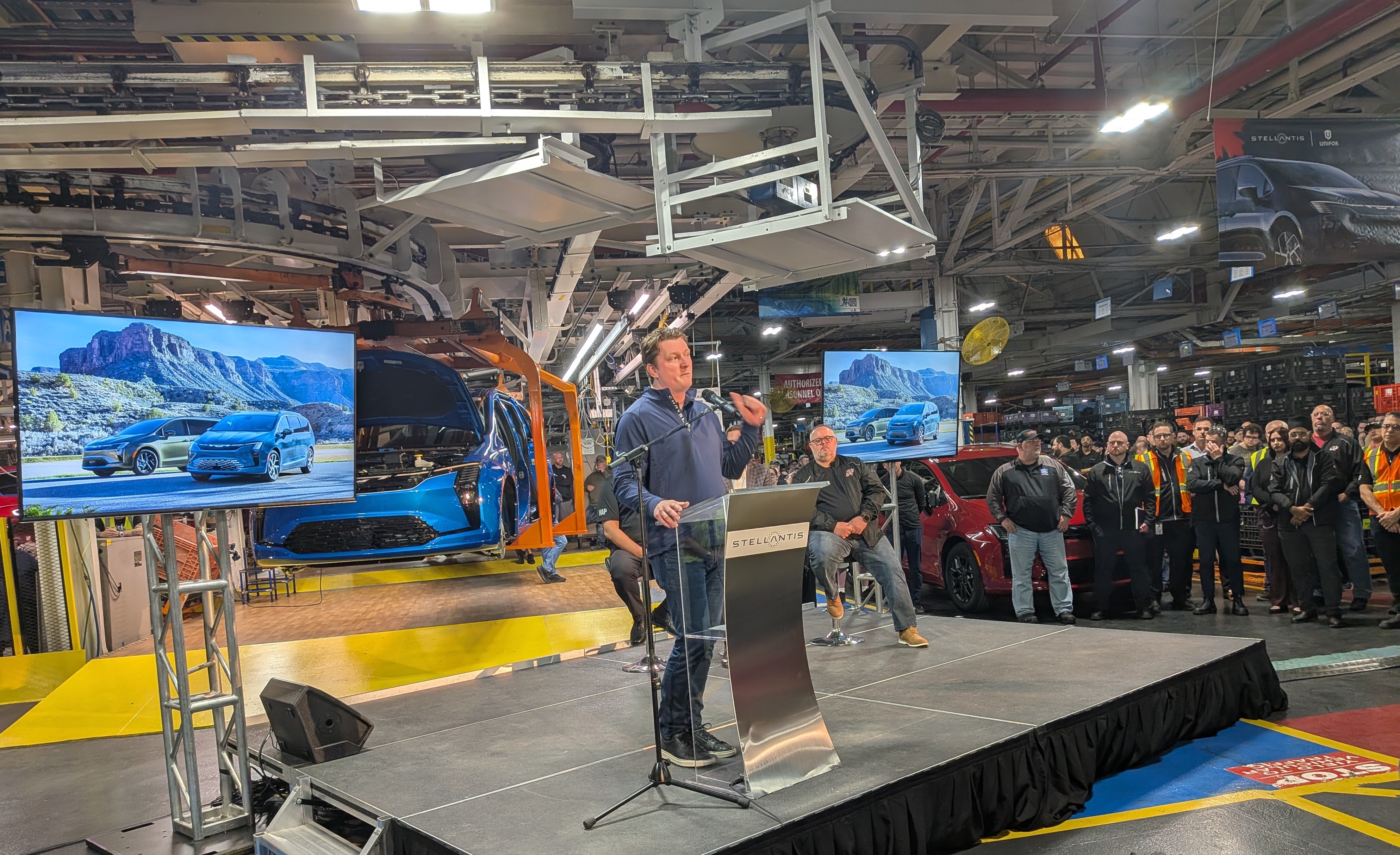
Stellantis says it is getting closer to a sustainable solution for the idled Brampton Assembly Plant, according to comments from Canada CEO Trevor Longley reported by Automotive News. On its own, that would already be meaningful for workers, suppliers, and policymakers watching the future of Canadian auto manufacturing. But the update lands alongside another important signal: Stellantis has released a five-year product plan that outlines 11 future models for the North American market, a roadmap that appears to strengthen the case that Brampton could still play a role in the company’s regional footprint.
For an idled plant, language like “closer” matters. It does not amount to a final commitment, and it does not resolve what product, timing, or investment structure will ultimately emerge. But it suggests the site is still active in corporate planning rather than being left to drift indefinitely. In an industry where uncertainty can quickly become de facto abandonment, even that distinction carries weight.
Why Product Planning Matters More Than Rhetoric
Auto plants do not survive on sentiment. They survive on programs. If a facility is going to be revived, it needs a product assignment that fits the company’s broader manufacturing strategy, cost structure, and sales outlook. That is why the newly released five-year North American plan matters so much. Eleven future models create more possible manufacturing combinations and more opportunities for management to align capacity with upcoming demand.
The report does not specify a final Brampton outcome, but it indicates the broader portfolio is moving into view. For plant communities, that is a far more useful indicator than vague talk about long-term confidence. The central question is whether a specific plant can be matched with a viable program. A larger, clearer product map makes that easier.
Brampton’s future also sits within a bigger tension facing North American manufacturing. Automakers are trying to manage shifting demand, tariff pressure, EV transition uncertainty, and regional political expectations all at once. In that environment, every plant decision becomes part industrial strategy, part financial calculation, and part political signal. A “sustainable solution” has to satisfy all three.
Why This Is a Transportation Story, Not Just a Labor Story
The Brampton question matters because factories shape what the transport market can actually deliver. Vehicle launches, platform strategies, and regional supply chains are all constrained by manufacturing capacity. When a major plant is idled, the effects extend beyond payroll. Suppliers lose visibility, logistics networks become less predictable, and future product execution gets harder to read.
That is especially true in North America, where cross-border manufacturing remains deeply integrated. Canadian plants do not operate in isolation from U.S. demand or regional trade flows. If Brampton is brought back through a product decision linked to Stellantis’s broader North American plan, it would reinforce the idea that the company still sees Canada as part of its long-term production architecture rather than as a marginal appendage.
There is also a competitive dimension. Every automaker is under pressure to show that it can allocate capital efficiently while preserving flexibility. An idled plant represents both risk and optionality. If management finds a credible use for the site, it converts dormant capacity into strategic leverage. If it fails, the plant becomes a symbol of indecision and wasted footprint.
What “Sustainable” Probably Implies
The emphasis on a sustainable solution is revealing. It implies Stellantis is trying to avoid a temporary fix that satisfies immediate pressure but leaves the plant exposed again after one cycle. Sustainability in this context likely means product viability, cost competitiveness, and enough strategic relevance to justify continued investment. It may also reflect the need to choose programs that fit not just current demand but the company’s medium-term positioning in a changing North American market.
That is harder than it sounds. Vehicle development timelines are long, consumer preferences remain volatile, and the policy environment can change faster than factories can adapt. A durable Brampton decision would need to survive more than one news cycle or labor negotiation. It would need to make industrial sense.
The good news for the plant is that a formal five-year product plan creates planning material to work with. The challenge is that product plans are only valuable if a site can compete successfully for a role within them. Being “closer” suggests Brampton remains under real consideration, but until there is a program assignment, uncertainty remains the dominant fact.
Why the Industry Will Watch the Next Step Closely
What happens at Brampton will be read as a signal beyond one facility. It will say something about Stellantis’s willingness to keep investing in regional manufacturing capacity, about the place of Canadian operations in its North American strategy, and about how legacy automakers are balancing flexibility with political and labor commitments. The outcome may also influence how suppliers and local governments assess future engagement with the company.
For now, the most important shift is from silence to directional movement. Longley’s comments indicate the plant has not been written off. Combined with a newly visible product pipeline, that turns Brampton from a static closure story into an active strategic question.
The remaining issue is whether that question produces an actual manufacturing mandate. If it does, the plant could become a case study in how automakers repurpose paused capacity during a period of market transition. If it does not, “closer” will be remembered as a holding pattern rather than a turning point. Either way, the next announcement will matter far more than the last reassurance.
- Stellantis says it is getting closer to a sustainable solution for Brampton.
- The automaker’s five-year North American product plan lists 11 future models.
- The plant’s prospects depend on whether a viable program is assigned to the site.
This article is based on reporting by Automotive News. Read the original article.
Originally published on autonews.com