Rivian faces a new federal safety probe after two reports of separation while driving
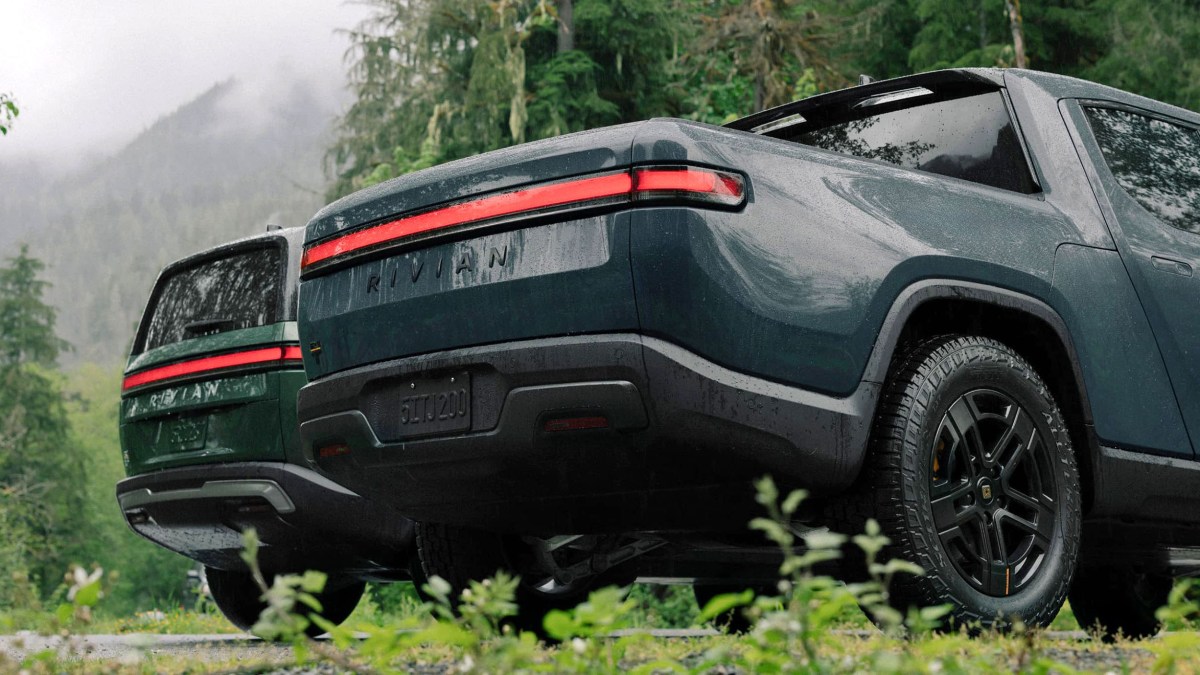
The National Highway Traffic Safety Administration has opened an investigation into Rivian over left rear toe links in the R1S and R1T, according to the supplied report summary. The probe follows a recall earlier this year that covered nearly 20,000 vehicles for toe links that had been improperly reassembled in service. Since that recall, two owners have reportedly said the joint separated while driving, causing loss of control.
That combination is what gives the investigation its urgency. It is one thing for a manufacturer to identify a service-related defect and issue a recall. It is another for regulators to receive post-recall reports suggesting the underlying risk may not yet be fully contained, or that questions remain about durability and repair execution.
What regulators are examining
According to the candidate text, NHTSA will assess both the durability of the part and Rivian’s protocols for repair. Those are distinct but related concerns. Durability addresses whether the toe link assembly can reliably withstand normal use. Repair protocols address whether the company’s service procedures, inspections, and technician practices are sufficient to prevent recurrence once a vehicle has been worked on.
Toe links play a role in rear suspension geometry, which means failure can affect how the vehicle tracks and responds. When a report mentions separation while driving and loss of control, regulators tend to focus not only on how often the failure occurs but also on how severe the consequences could be if it does. Even a small number of incidents can trigger serious scrutiny if the failure mode is safety-critical.
The reference to improperly reassembled parts is especially important. It suggests the original concern may not have been a simple manufacturing defect at the supplier level, but a problem tied to service handling or post-service integrity. If that is the case, the investigation may need to look beyond component design and into the systems Rivian uses to document, verify, and complete repairs.
Why this matters for Rivian
For a younger automaker, safety investigations carry consequences beyond the direct technical issue. Rivian is still building its reputation in a competitive EV market where trust, quality control, and service execution matter as much as product design. An investigation into suspension-related failures can raise questions about field support, service maturity, and how quickly problems are identified and closed out.
That does not mean the probe will necessarily lead to a broader defect finding or a more expansive recall. Investigations exist to determine exactly that. But the fact that NHTSA has moved from watching a recall to formally assessing durability and repair protocols means federal regulators believe the matter deserves deeper review.
There is also a customer confidence dimension. Owners can tolerate some software glitches or cosmetic quirks in early-stage vehicle companies. Chassis and suspension concerns are different. They go directly to the question of whether a vehicle remains predictable and controllable under everyday use. That makes the communications and remediation strategy especially important.
The broader EV context
Electric vehicles often invite discussion around batteries, charging, and software, but many of the hardest quality problems for new manufacturers remain classic automotive ones: suspension parts, assembly consistency, service procedures, and the ability to execute recalls effectively. This case fits that pattern. The issue under review is not an exotic EV-specific technology but a fundamental mechanical component with direct safety implications.
That is a reminder that scaling an automaker requires competence across the entire stack. Advanced electronics and distinctive branding do not reduce the need for durable hardware and disciplined repair processes. In fact, rapid growth can make those legacy disciplines even more important, because service networks and quality systems are under pressure as fleets expand.
The report also places the probe against a moment when Rivian has other major milestones in view, including the expected first batch of R2 SUV deliveries in early June. That timing matters because public attention is already on the company’s next phase. A safety investigation during that period may not change Rivian’s broader product roadmap, but it can shape how investors, regulators, and consumers interpret the company’s readiness for expansion.
For now, NHTSA’s action is an investigation, not a final conclusion. The central question is whether the earlier recall and associated repair practices fully addressed the toe link risk. Until that is answered, Rivian will be dealing with the kind of scrutiny that tests not just engineering, but the maturity of its service and safety response systems.
This article is based on reporting by The Drive. Read the original article.
Originally published on thedrive.com