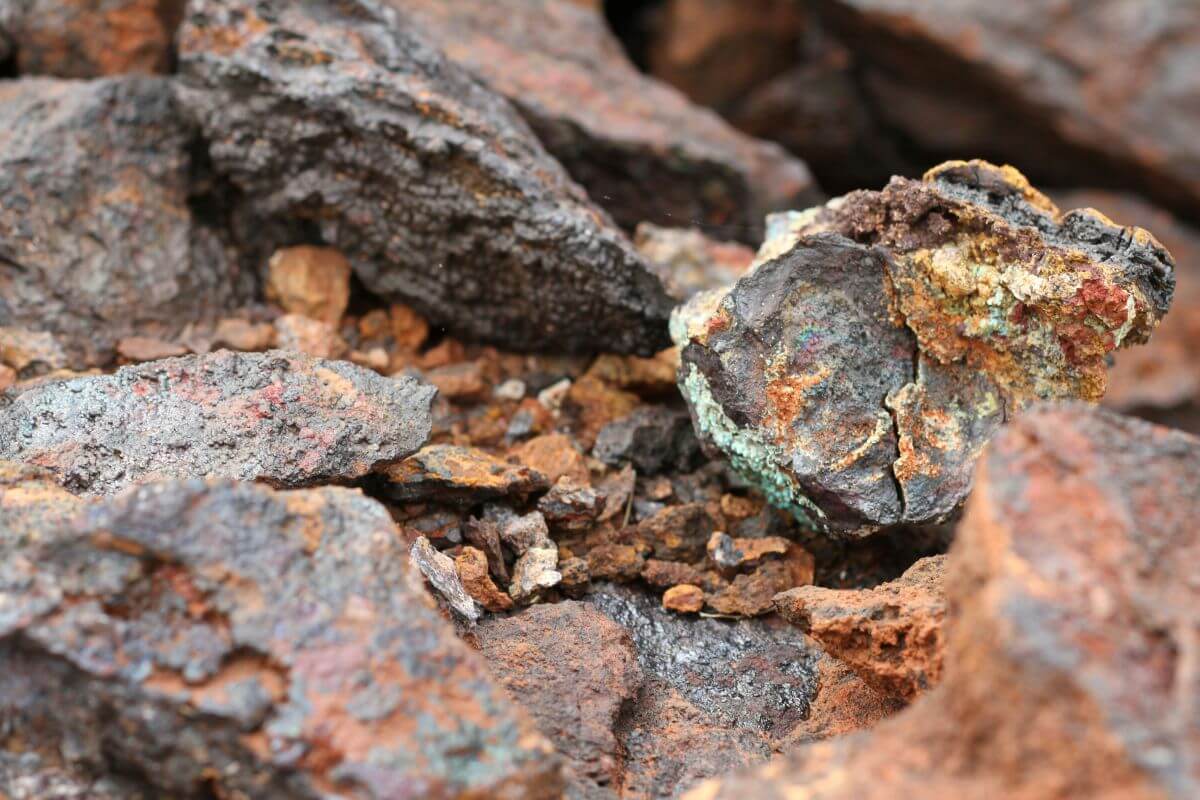
Federal Approval Marks Milestone for Critical Minerals
The Canadian government has given the green light to a significant nickel mining project in Ontario, signaling a strategic push to secure critical minerals essential for electric vehicle (EV) production. The Crawford project, operated by Canada Nickel Company, is located just north of Timmins and is expected to yield more than 1.5 million tonnes of nickel over a 41-year lifespan.
This approval comes at a time when global demand for nickel is surging, driven by its use in EV batteries, stainless steel, and other high-tech applications. By approving the mine, Ottawa aims to reduce reliance on foreign sources and bolster North America's supply chain for clean energy technologies.
Project Details and Economic Impact
The Crawford site is one of the largest nickel deposits in the world, and its development is projected to create hundreds of jobs during construction and operation. The mine will also produce other critical minerals, including cobalt and palladium, which are vital for battery manufacturing and electronics.
Canada Nickel has emphasized that the project will adopt advanced mining technologies to minimize environmental impact, including carbon capture and storage initiatives. The company has committed to becoming one of the lowest-carbon nickel producers globally, aligning with Canada's climate goals.

Strategic Importance for EV Industry
Nickel is a key component in lithium-ion batteries, particularly for high-energy-density cathodes used in long-range EVs. As automakers accelerate their electrification plans, securing a stable supply of nickel is crucial to avoid bottlenecks and price volatility.
The approval of the Crawford mine is part of a broader federal strategy to position Canada as a global leader in critical minerals. The government has earmarked billions in tax credits and infrastructure investments to support mining projects that contribute to the clean energy transition.
Environmental and Community Considerations
While the economic benefits are clear, the project has faced scrutiny from environmental groups concerned about habitat disruption and water usage. Federal regulators have imposed strict conditions, including comprehensive monitoring and mitigation plans, to address these issues.
Local communities, including Indigenous groups, have been consulted throughout the permitting process. Canada Nickel has signed agreements with several First Nations to ensure shared benefits and respect for traditional lands.

Industry Reactions and Future Outlook
Industry analysts have welcomed the approval, noting that it could attract further investment in Canada's mining sector. The project is expected to begin construction within the next two years, with first production targeted for the early 2030s.
As global automakers like Tesla, Ford, and General Motors ramp up EV production, the demand for nickel is projected to grow exponentially. The Crawford mine will play a pivotal role in meeting that demand, while also supporting Canada's economic diversification.
Conclusion
Ottawa's approval of the Crawford nickel mine is a significant step toward building a resilient and sustainable critical minerals supply chain. By leveraging its abundant natural resources, Canada is positioning itself at the forefront of the clean energy transition, creating jobs and economic opportunities while contributing to global climate goals.
This article is based on reporting by Automotive News. Read the original article.

Originally published on autonews.com

![Nissan reveals its newest EV, an affordable electric city cruiser with 259 km of range [Images]](https://electrek.co/wp-content/uploads/sites/3/2026/09/Nissan-affordable-Pixo-EV.jpeg?quality=82&strip=all&resize=1200,628)

