Why Pressure Washing Your Car Requires Care
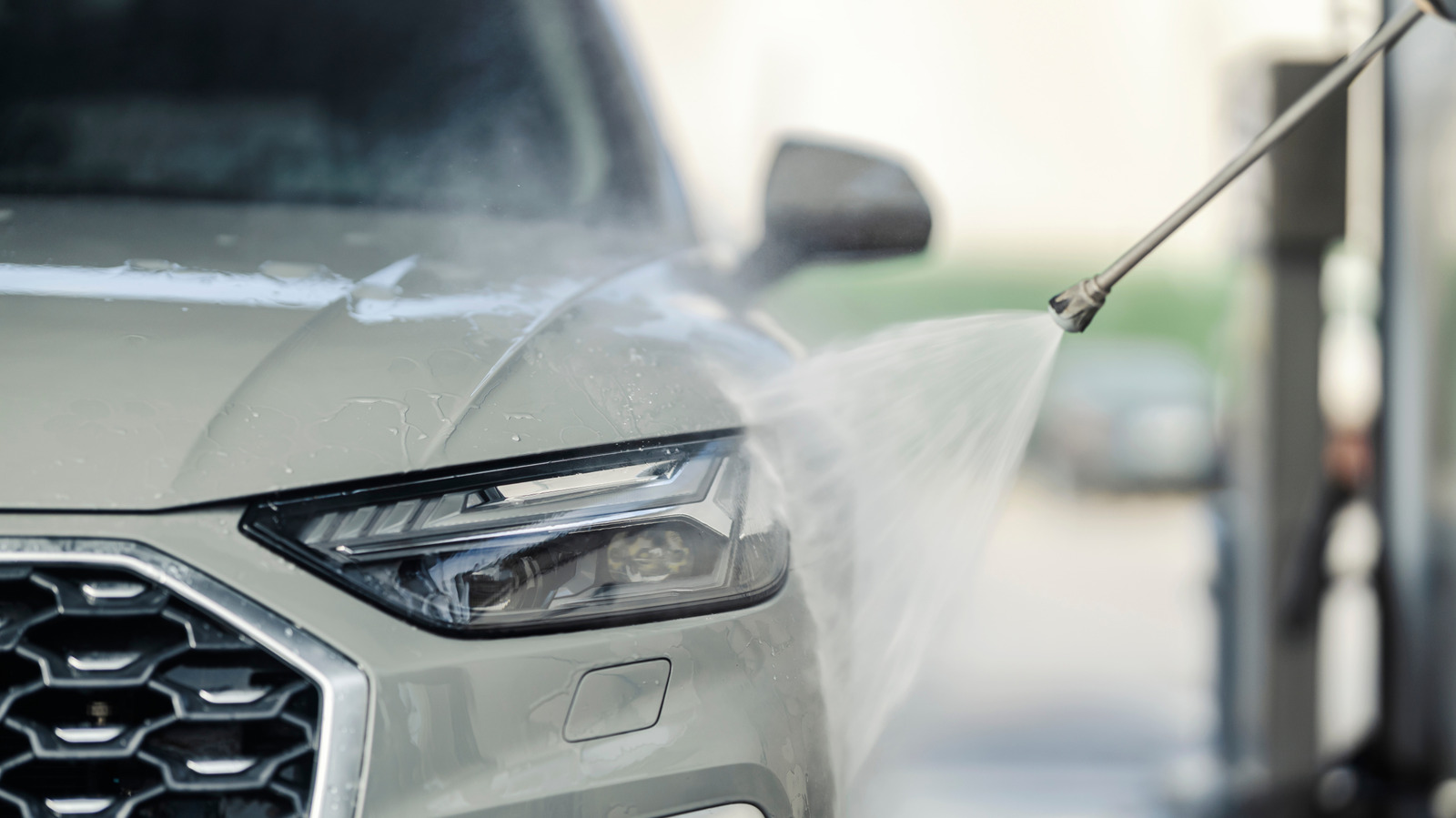
Using a pressure washer to clean your car is undeniably faster than washing by hand. However, it comes with its own set of risks. When used improperly, a pressure washer's concentrated jet of water can strip away paint, damage the clear coat, and degrade rubber seals and exterior trim. The most common mistakes include holding the nozzle too close to the surface, dialing the pressure up too high, or using the wrong nozzle for the job. Understanding how pressure, flow rate, and technique work together is essential to achieving a spotless finish without turning your car's exterior into a repair project.
Understanding PSI: The Foundation of Pressure Washing
The force with which water exits a pressure washer is measured in pounds per square inch (PSI), which indicates the pressure exerted over a one-square-inch area. PSI is often the first specification people look at, and for good reason—it determines how aggressively the water impacts the surface. But higher PSI doesn't automatically mean a better clean. In fact, for a car's painted surfaces, the sweet spot lies in a relatively moderate range.
According to the experts at Jalopnik, a water pressure of 1,200 to 1,900 PSI is favorable for washing a car. The lower end of that range, around 1,200 to 1,500 PSI, is considered a conservative and safe approach for most routine washes. If you're dealing with heavy dirt buildup or stubborn grime, you can push the pressure up to a maximum of 1,900 PSI, but you'll need to exercise extra caution. Anything higher than that runs a serious risk of damaging the paint and clear coat.
Beyond PSI: Flow Rate and Nozzle Width
While PSI gets most of the attention, it's only one piece of the puzzle. Water flow rate and nozzle width are equally important in determining how effectively and safely you can clean your car.
Flow Rate: The Role of Water Volume
Flow rate is measured in gallons per minute (GPM), and as the name suggests, it tells you how much water the pressure washer discharges each minute. A higher flow rate helps loosen and rinse away dirt from the bodywork, which means you don't need to rely on extreme pressure to get the job done. The ideal flow rate for washing a car is between 1.5 and 2.5 GPM. This combination of adequate flow and moderate pressure is often more effective than a high-pressure, low-flow setup, because the sheer volume of water helps flush contaminants away without requiring an aggressive jet.
Nozzle Width: Matching the Spray to the Surface
The width of the spray pattern, determined by the nozzle, is another critical factor. For painted surfaces, a nozzle in the 25- to 40-degree range produces a broad, gentle spray that is well-suited to cleaning without causing damage. These wider-angle nozzles disperse the water over a larger area, reducing the intensity of the impact. On the other hand, nozzles with narrower angles—0 to 15 degrees—concentrate the water stream into a much smaller area, significantly increasing the risk of paint and clear coat damage. Pinpoint and turbo nozzles, in particular, should be avoided when washing a car, as they deliver an extremely focused and powerful blast that can easily etch or strip the surface.
The Importance of Spray Distance and Technique
Even with the right PSI, flow rate, and nozzle width, you can still cause damage if you ignore spray distance and your overall technique. The distance between the nozzle and the car's surface has a direct impact on how much force the water applies to the paint. The safest approach is to start spraying from roughly 12 to 18 inches away. This gives you enough reach to effectively rinse and clean without concentrating too much energy on a single spot. As you work, you can gradually move closer if necessary, but only when the situation calls for it—for example, when tackling a particularly dirty area that needs a bit more persuasion.
Your technique also matters. Rather than holding the spray in one place for an extended period, keep the nozzle moving in smooth, sweeping motions. This prevents water from digging into the paint and ensures even coverage. It's also wise to work from top to bottom, allowing soap and dirt to run downward rather than pushing grime upward into already-cleaned sections. Remember that pressure washing is about more than just blasting water; it's about using the right tools and approach to protect your vehicle's finish.
Bringing It All Together
So, what is the ideal PSI for pressure washing your car? The answer is not a single number, but a combination of factors that work together to deliver a safe and effective clean. Stick to a PSI range of 1,200 to 1,900, keeping it at the lower end for routine washes and reserving the upper limit for heavy buildup. Complement that with a flow rate of 1.5 to 2.5 GPM and a 25- to 40-degree nozzle to achieve a wide, gentle spray. Maintain a safe distance of 12 to 18 inches, and use steady, sweeping movements to avoid concentrating the stream on any one area.
By respecting these parameters, you can enjoy the convenience of pressure washing without the risk of causing expensive damage to your car's paint, clear coat, seals, or trim. It's all about finding the right balance between power and care—and with these guidelines, you'll be well on your way to a showroom-quality shine.
This article is based on reporting by Jalopnik. Read the original article.
Originally published on jalopnik.com