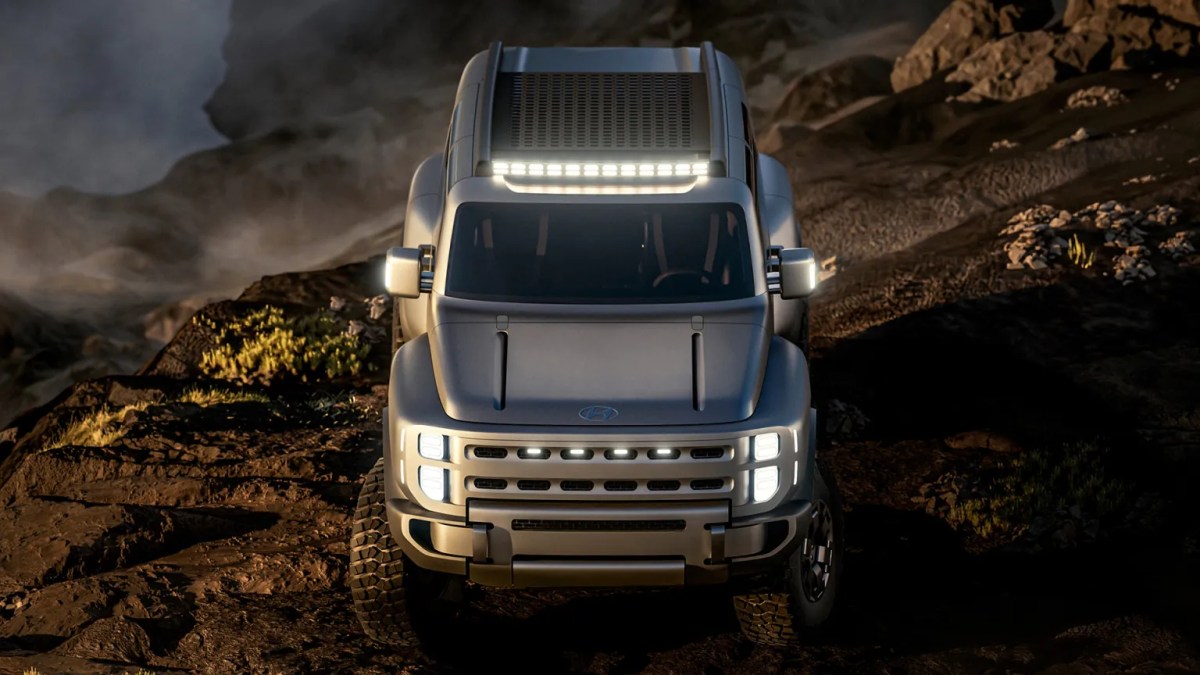
Hyundai is preparing to enter a fiercely loyal market
Hyundai is on track to introduce a new midsize truck by the end of the decade, and the company is framing the project as a bid for buyers now served by established pickup brands. Olabisi Boyle, Hyundai’s senior vice president of product planning and mobility strategy for North America, said the company will need to “conquest” customers because it does not yet have a built-in base for body-on-frame pickups.
That is a candid description of the challenge. The midsize segment includes familiar names such as the Toyota Tacoma, Chevrolet Colorado, Ford Ranger, GMC Canyon and Jeep Gladiator. Buyers in that part of the market are often highly brand loyal, and Hyundai is not presenting its future model as a continuation of the Santa Cruz approach. Instead, the company is studying a more conventional volume-oriented entry for the segment.
Dependability is the target
Hyundai’s stated target buyer is practical and expects a truck to last for 10 or 15 years. Boyle said that expectation puts dependability at the center of the company’s pitch. For Hyundai, that means it will need to establish credibility in areas such as the frame and chassis, rather than relying only on styling, brand familiarity or a general crossover-based reputation.
The company also says it must meet—and likely exceed—the leading trucks in capability. That is a high bar in a category where buyers commonly evaluate vehicles on durability, utility and their ability to handle demanding work. Hyundai believes it understands areas where incumbent leaders are weaker, but it has not detailed those areas or disclosed specifications for the proposed pickup.
The lack of final product details is important. There is no model name, powertrain, payload figure, towing figure or production date in the available report. What Hyundai has provided is a strategic outline: the company wants volume in the midsize market and sees a body-on-frame truck as necessary to pursue that goal.

Why body-on-frame matters to the plan
According to Boyle, Hyundai is not in a position to pursue volume in the midsize truck segment without a body-on-frame platform. That construction is shared by the key established rivals cited in the report. It is also a clear signal that Hyundai is treating the future vehicle as distinct from the Santa Cruz, which the company says was approached differently.
The platform decision matters because it aligns the future truck with the expectations Hyundai sees among conventional pickup customers. The company is not merely looking for a niche beside established midsize models. Its comments suggest it is designing for direct comparison in a segment defined by ruggedness, utility and long-term ownership expectations.
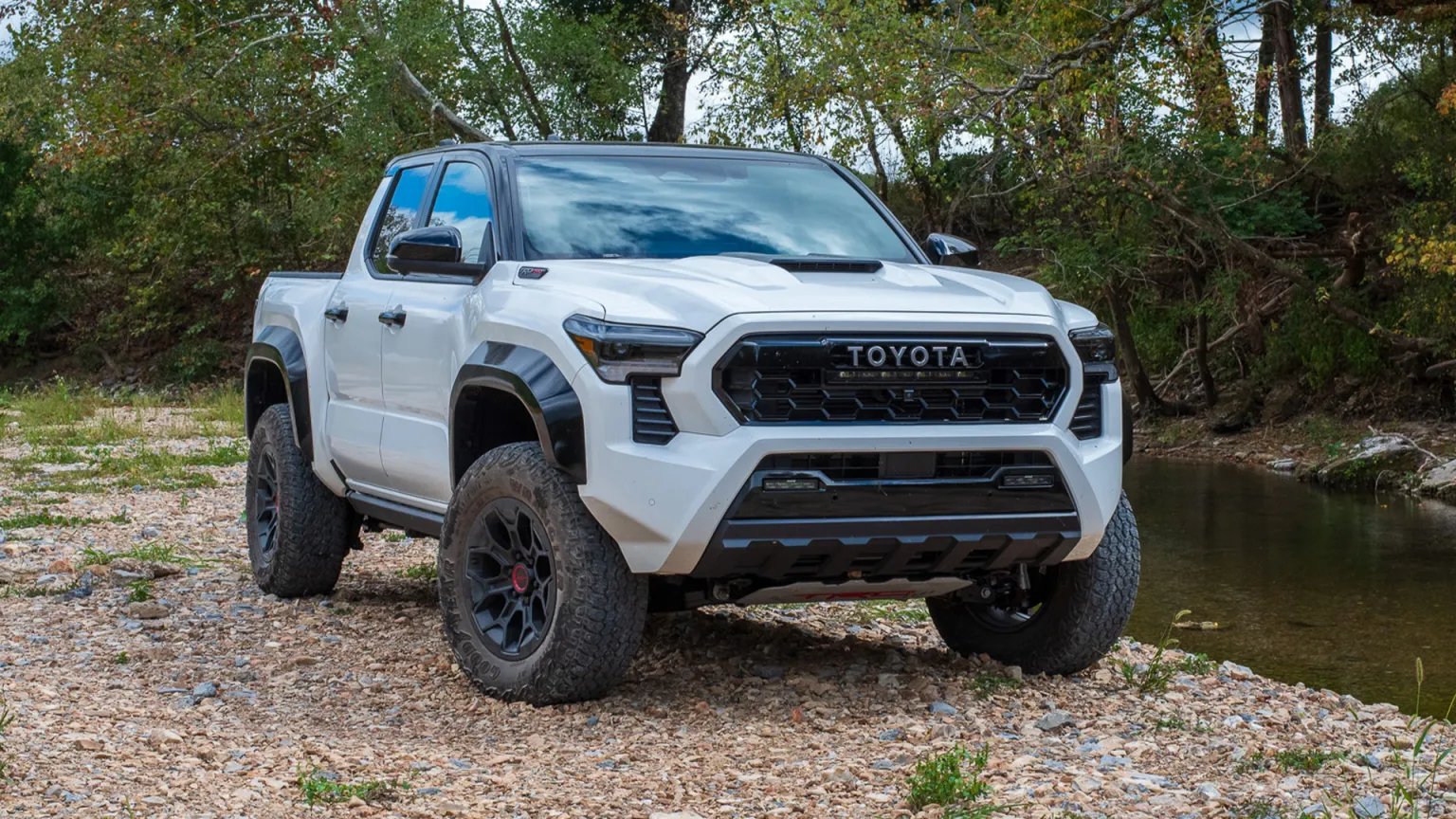
Hyundai is still studying where it thinks the truck could land on volume. The scale of the opportunity is substantial: Toyota sells nearly a quarter-million Tacomas in the United States each year, according to the report. That does not make the segment as large as full-size pickups, but it underscores why an automaker seeking broader truck relevance would see a serious opening there.
A direct challenge to incumbent trucks
The future Hyundai model is being discussed against a competitive set led by the Tacoma and including the Colorado, Ranger, Canyon and Gladiator. Each has an established identity and a customer base accustomed to body-on-frame construction. Hyundai’s own executives acknowledge that it must persuade shoppers to switch rather than simply count on existing Hyundai owners to fill the order book.
That makes proof especially important. A buyer looking for a truck to keep for a decade or more is likely to judge the vehicle on its fundamental architecture and capability as much as on new features. Hyundai’s leadership has therefore put frame, chassis and dependability at the core of its stated task. The company will have time to develop that message before the end-of-decade introduction it is targeting.
Rugged design without broadening the brief
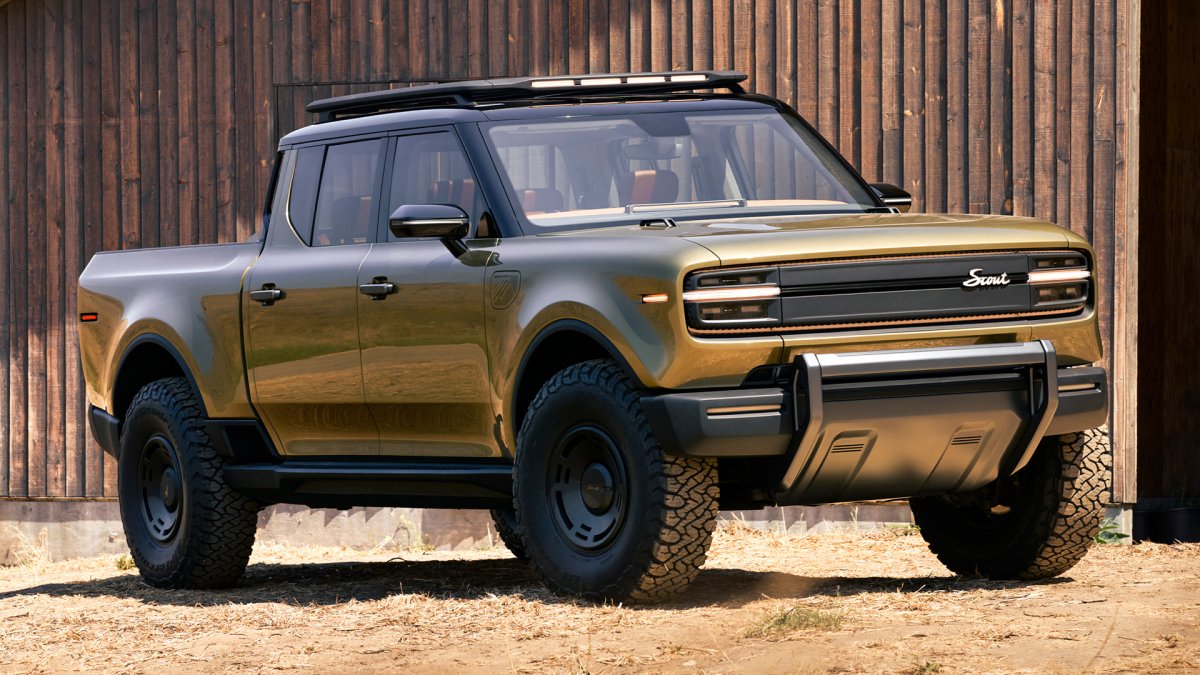
Hyundai also does not expect to soften the new truck’s visual direction in an effort to appeal to a wider audience. Boyle characterized the intended look as rugged and said women shoppers are enthusiastic about that styling as well. The comment reflects an effort to position the truck around the aesthetics buyers already expect from the segment, rather than treating ruggedness as a narrow appeal.
Still, Hyundai’s most consequential claims are not about appearance. They are about competing on the practical fundamentals that define the category. The company knows its prospective customers will compare its truck with models that have long histories in the segment, and it says it will have to establish a clear reason to switch.
An ambitious but early-stage entry
Hyundai’s planned truck remains a future program, not a finished product. The available information supports a timeline of introduction by the end of the decade, a body-on-frame direction, and an ambition to compete for volume among practical midsize-truck buyers. It does not yet support conclusions about pricing, powertrain choices, exact capability or final market positioning.
What is clear is the company’s intent. Hyundai wants to move beyond a niche approach and enter one of the most competitive parts of the North American vehicle market. To do that, it will need to turn its stated priorities—frame and chassis credibility, competitive capability, rugged design and long-term dependability—into a truck that can pull customers away from deeply established nameplates.
This article is based on reporting by The Drive. Read the original article.
Originally published on thedrive.com