The era of fuzzy car pricing is under pressure
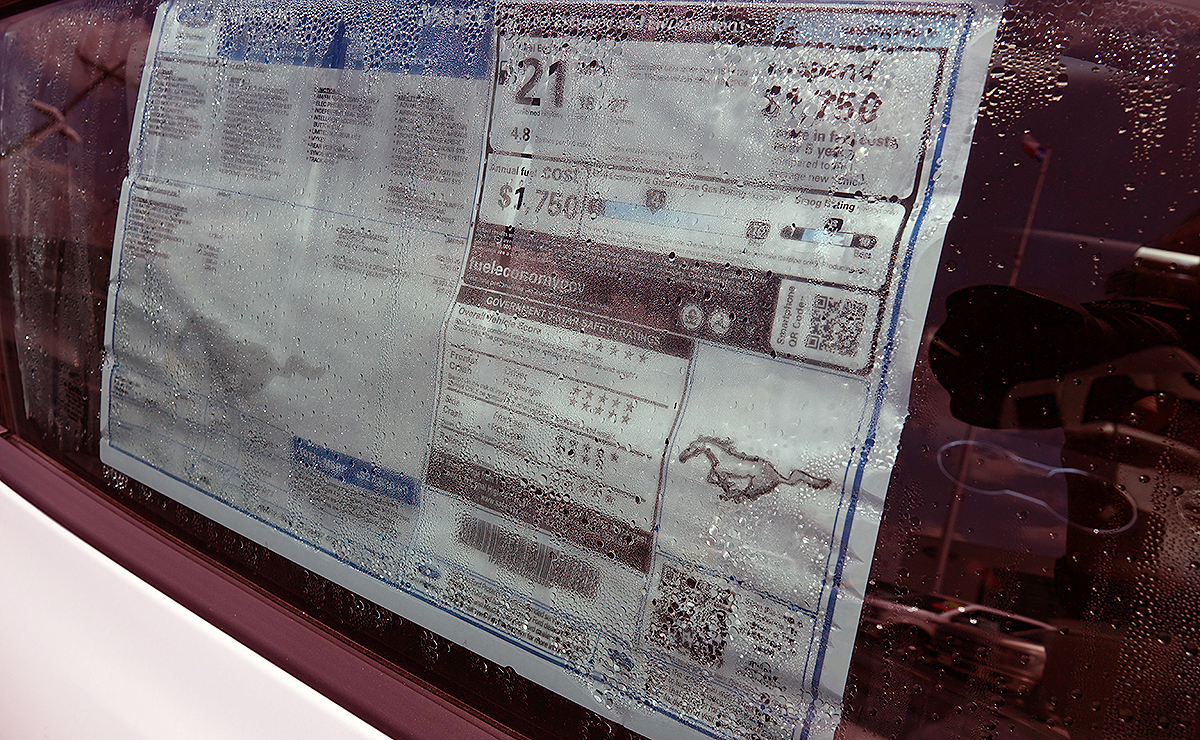
Automotive retail has long relied on a gap between advertised prices and actual transaction costs. The latest commentary from Automotive News argues that this model is coming under heavier regulatory strain as the U.S. Federal Trade Commission and state authorities push harder against deceptive pricing practices. If that pressure continues, transparent pricing may move from a reputational nice-to-have to a real competitive advantage.
The argument is straightforward. Dealers that advertise an attractive number and then pile on fees, conditions, or hard-to-spot exclusions are increasingly exposed to enforcement risk. At the same time, shoppers frustrated by unclear pricing are more likely to reward businesses that remove ambiguity. In that environment, clarity stops being just a legal defensive measure and becomes part of the product.
Why regulators are focusing on car ads
The source text frames the shift as the “end of ambiguous pricing.” That phrasing captures a broader trend in consumer protection. Regulators have become more willing to challenge pricing displays that are technically defensible but practically misleading. In auto retail, that includes ads that omit mandatory costs, rely on implausible assumptions, or present a low entry figure that few customers can actually obtain.
Cars are particularly sensitive because they are high-cost, infrequent purchases with layers of financing, optional products, taxes, and dealer-installed extras. A shopper may spend weeks comparing offers only to discover that advertised prices are not comparable at all. That creates fertile ground for enforcement, especially when consumer complaints accumulate or when online marketing systems scale questionable practices across many listings.
State-level action also matters. Even if federal rules shift over time, state attorneys general, consumer agencies, and local laws can maintain steady pressure. For dealer groups operating across multiple jurisdictions, that raises the cost of keeping aggressive, ambiguous pricing systems in place.

Transparency as more than compliance
The more interesting claim in the commentary is strategic rather than legal: pricing transparency can help dealers win. That may sound counterintuitive in a business historically built on negotiation flexibility, but it aligns with broader digital commerce habits. Consumers increasingly expect the price they see to bear a close relationship to the price they pay.
In practice, transparent pricing can improve several parts of the retail funnel. It may reduce lead drop-off, shorten in-store disputes, improve online conversion confidence, and lower the reputational damage that comes from negative reviews centered on bait-and-switch experiences. It can also help sales teams spend less time defending the first number on the page and more time actually closing business.
There is also a branding effect. In a crowded market where inventory and financing terms can converge, trust can become a differentiator. A dealership that is known for presenting realistic numbers may attract customers who are tired of spending time decoding conditional offers.
Why change is difficult
That does not mean the transition will be painless. Dealers used to highly optimized lead-generation tactics may see transparent advertising as a short-term competitive disadvantage if rivals continue posting lower but less complete numbers. The shift works best when enforcement is credible enough that gaming the system becomes risky or unsustainable.
Operationally, transparent pricing also requires discipline. Dealers need consistent rules on what goes into the advertised number, how add-ons are disclosed, and how online and in-store figures align. A business cannot market transparency while allowing hidden variability to reappear in finance offices, accessory packages, or mandatory dealer products.
That is why the underlying issue is not just ad copy. It is process design. If the store economics depend on surprises late in the transaction, cleaner advertising alone will not solve the tension.

A retail model under modernization pressure
The bigger story is that automotive sales is being pulled toward the norms of more transparent digital markets. Buyers now arrive with more information, more screenshots, and less tolerance for pricing that changes meaning between channels. Regulatory scrutiny accelerates that shift, but consumer behavior was already pushing in the same direction.
This does not eliminate negotiation from car buying, nor does it erase legitimate variation from taxes, financing qualifications, or optional products. What it challenges is the use of ambiguity as a default acquisition tactic. The more that tactic is associated with enforcement action and customer mistrust, the less durable it becomes.
For dealers, the implication is not simply “comply or be punished.” It is “modernize or look increasingly out of step.” Stores that can translate transparency into a cleaner shopping experience may find that the payoff is broader than avoiding fines. They may gain a more efficient sales process and a more defensible brand.
What to watch next
The source text signals a regulatory and competitive turn rather than a single rulemaking event. The practical question is how fast the market responds. If FTC scrutiny persists and states continue tightening expectations, transparent pricing could become table stakes. If enforcement is uneven, the transition may be slower and more fragmented.
Either way, the direction is clear. Ambiguous automotive pricing is facing more resistance from both regulators and consumers. Dealers that adapt early may discover that honesty is not only safer, but also easier to sell.
This article is based on reporting by Automotive News. Read the original article.

Originally published on autonews.com