VW Moves Deeper Into the Small EV Fight
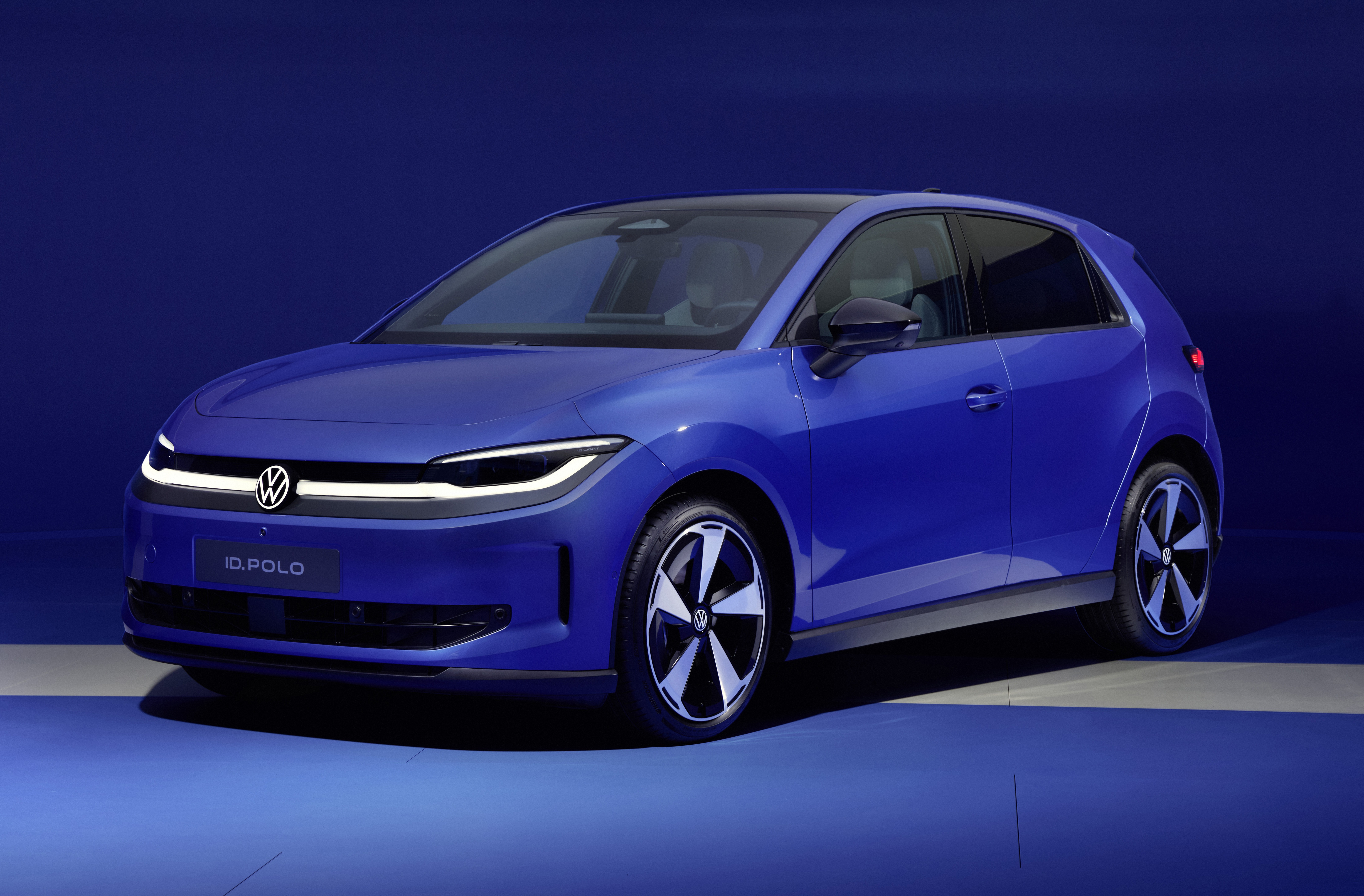
Volkswagen has launched the ID Polo, an electric hatchback targeted at Europe’s small EV segment, underscoring how central affordability and product positioning have become in the next phase of the electric-car market. The model arrives as Chinese competitors, including the BYD Dolphin Surf, intensify pressure on European manufacturers, while homegrown rivals such as the Renault 5 compete for the same customers.
The significance of the launch lies less in the novelty of another electric model than in where Volkswagen has placed it. Smaller, lower-cost EVs are turning into one of the most contested parts of the market because they are where electrification has to become more mainstream to keep growing. Premium electric models helped define the early years of the transition. The harder commercial task is building cars that can survive fierce pricing pressure while still carrying a strong brand identity.
An Answer to Intensifying Competition
The ID Polo is entering a segment shaped by two converging forces. One is the continued expansion of Chinese automakers into Europe’s EV landscape. The other is the need for incumbent European companies to defend their home market with products that are recognizably local in design and positioning, but competitive in practicality and value.
Volkswagen says the ID Polo uses its new “Pure Positive” design language, emphasizing familiar proportions and practicality. That choice is revealing. In a more crowded market, radical styling alone is unlikely to win the small-car category. Familiarity, usability, and brand continuity matter because buyers in this segment often weigh everyday utility as heavily as technology branding.
Why the Small EV Segment Matters So Much
Europe’s entry-level electric hatchback class is strategically important because it sits close to the point where EV adoption broadens from early adopters to a much larger pool of practical buyers. These customers are likely to be more price sensitive, more attentive to operating costs, and less willing to accept compromises in space or routine usability. That makes the segment especially difficult for manufacturers whose cost bases were built for a different industrial era.
For Volkswagen, the ID Polo therefore represents more than an additional badge in the lineup. It is part of a broader competitive test: can one of Europe’s largest automakers adapt quickly enough to a market where Chinese entrants are moving fast and European rivals are also refreshing their small-car strategies? The answer will depend on more than a launch announcement, but product timing and category choice matter.
Design as a Strategic Signal
The company’s emphasis on familiar proportions and practicality suggests it is trying to reassure buyers that an electric small car does not need to feel experimental. That may prove important in a segment where consumers are often choosing a vehicle not as a statement purchase, but as an everyday tool. Practicality is not a secondary feature here. It is part of the value proposition.
Calling the design language “Pure Positive” also hints at Volkswagen’s attempt to refresh its electric identity without severing continuity with the broader brand. In a market where EV offerings can risk looking detached from a company’s legacy lineup, maintaining recognizability may be a competitive advantage.
The Real Challenge Starts After Launch
What the announcement does not settle is whether Volkswagen can translate product positioning into sustained competitiveness. Europe’s small EV market is being shaped by manufacturing economics, supply-chain agility, and the willingness of buyers to switch brands if value gaps widen. A launch can define intent, but it does not determine market share.
That is especially true in a category already framed by visible rivals. BYD’s presence highlights the pressure from Chinese manufacturers, while the Renault 5 shows that European incumbents are not standing still either. The ID Polo will have to compete not only as a Volkswagen, but as a practical answer to a market that is rapidly normalizing electric options in smaller form factors.
A Defensive and Offensive Move at Once
The ID Polo can be read as both defensive and offensive. It is defensive in that it protects Volkswagen’s position in a vulnerable part of the market. It is offensive in that it gives the company a way to keep shaping European EV expectations rather than simply reacting to others. Whether it succeeds will depend on details beyond the initial announcement, but the strategic logic is clear.
Europe’s electric transition is no longer defined only by who can build high-profile flagship vehicles. It is increasingly about who can deliver convincing everyday cars in the most competitive price bands. By launching the ID Polo into that environment, Volkswagen is acknowledging where the next phase of the fight will be won or lost.
- Volkswagen has launched the ID Polo for Europe’s small EV segment.
- The model will compete with vehicles including the BYD Dolphin Surf and Renault 5.
- VW says the car uses a new “Pure Positive” design language focused on familiar proportions and practicality.
This article is based on reporting by Automotive News. Read the original article.
Originally published on autonews.com