Supply pressure is moving upstream
Disruptions tied to the Iran conflict are beginning to show up inside Toyota’s supplier base, offering an early signal of how geopolitical shocks can ripple through automotive manufacturing long before they reach the showroom. Automotive News reports that suppliers, including Denso, are grappling with rising raw material costs and shortages of aluminum, resins and other basic materials amid ongoing logistical turmoil.
That combination matters because it hits the supply chain close to its foundations. Aluminum and resins are not niche inputs reserved for a few specialty components; they are core materials used across a wide range of vehicle parts and manufacturing processes. When those categories tighten, the effect can spread quickly across production schedules, inventory planning and pricing.
Why automakers worry about basic-material bottlenecks
The most serious supply-chain problems often begin with commodities and transport rather than finished parts. Once logistics grow unstable, manufacturers can find themselves paying more for inputs, waiting longer for deliveries and juggling uneven supply from region to region. For highly synchronized production systems, even modest disruptions can create outsized planning problems.
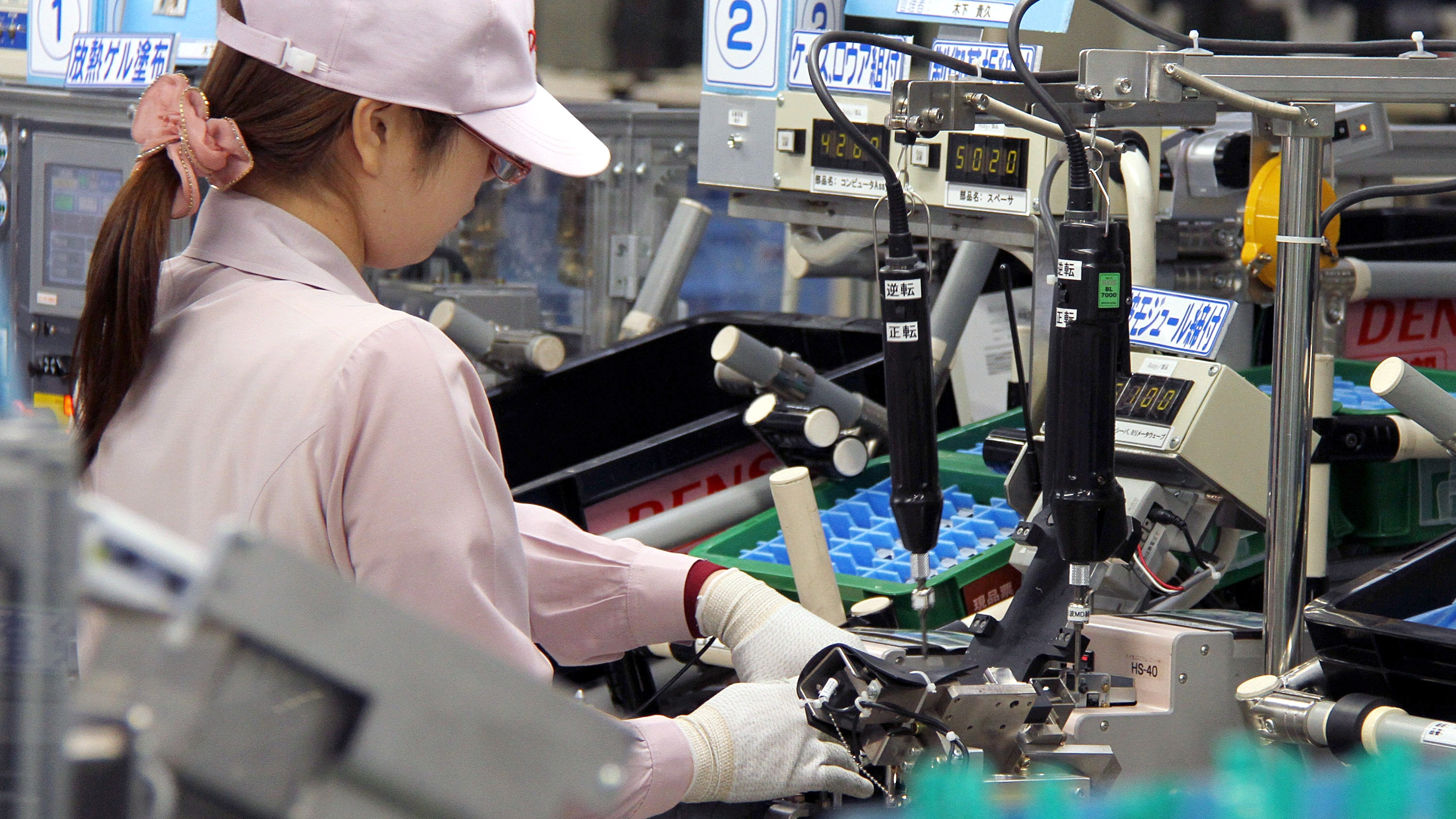
The report specifically identifies Denso’s exposure, underscoring that the issue is not theoretical. Toyota’s supplier ecosystem is vast and highly interconnected, and pressure on one large supplier can cascade into multiple production lines. That does not automatically mean assembly stoppages are imminent, but it does mean procurement teams are moving into a more defensive posture.
The reference to “ongoing logistical turmoil” is important as well. It suggests the challenge is not limited to headline commodity prices. Transport reliability, routing, delivery timing and access to materials can each become constraints in their own right during a regional conflict. For automakers, that makes mitigation harder because there is no single lever to pull.

What this could mean for the industry
The automotive sector has spent several years trying to become more resilient after semiconductor shortages, pandemic-era delays and broader trade friction. But the latest disruption is a reminder that resilience remains incomplete when supply chains still depend on globally traded raw materials moving through stressed logistics networks.
If shortages deepen, manufacturers may have to do some combination of paying more, redesigning sourcing plans or reprioritizing which products get constrained materials first. Suppliers may also face margin pressure if they cannot pass through costs quickly enough. In that sense, the Iran-linked disruption is not just a materials story. It is a test of how much operational flexibility the industry has really built.
For now, the signal from Toyota’s supplier base is one of early strain rather than confirmed production collapse. But when shortages begin appearing in upstream materials such as aluminum and resins, the industry usually pays close attention. Those are the kinds of inputs that connect geopolitics to factory floors with very little warning.
- Toyota suppliers are reporting higher costs and tighter supply for aluminum, resins and other materials.
- Denso is among the suppliers dealing with the impact.
- The pressure appears tied to conflict-driven logistics disruption rather than a single isolated shortage.
This article is based on reporting by Automotive News. Read the original article.
Originally published on autonews.com