Carvana is no longer just a used-car disruptor
Carvana built its name on selling used vehicles online with a simplified, home-delivery-focused process. Now the company is moving into a very different corner of the auto business: new-car retail. According to the source report, Carvana has quietly purchased several Stellantis dealerships and is already using them to sell new vehicles, signaling a potentially important expansion beyond the model that made it famous.
The move is notable not only because it broadens Carvana’s business, but because it brings an online-first retailer deeper into one of the most regulated and tradition-bound parts of the automotive market. Franchised new-car dealerships operate under a very different structure than used-car sellers, with manufacturer relationships, service obligations, and longstanding local retail practices. Carvana’s entry suggests the company sees room to apply its high-volume digital sales model inside that system rather than simply competing around it.
What Carvana has acquired
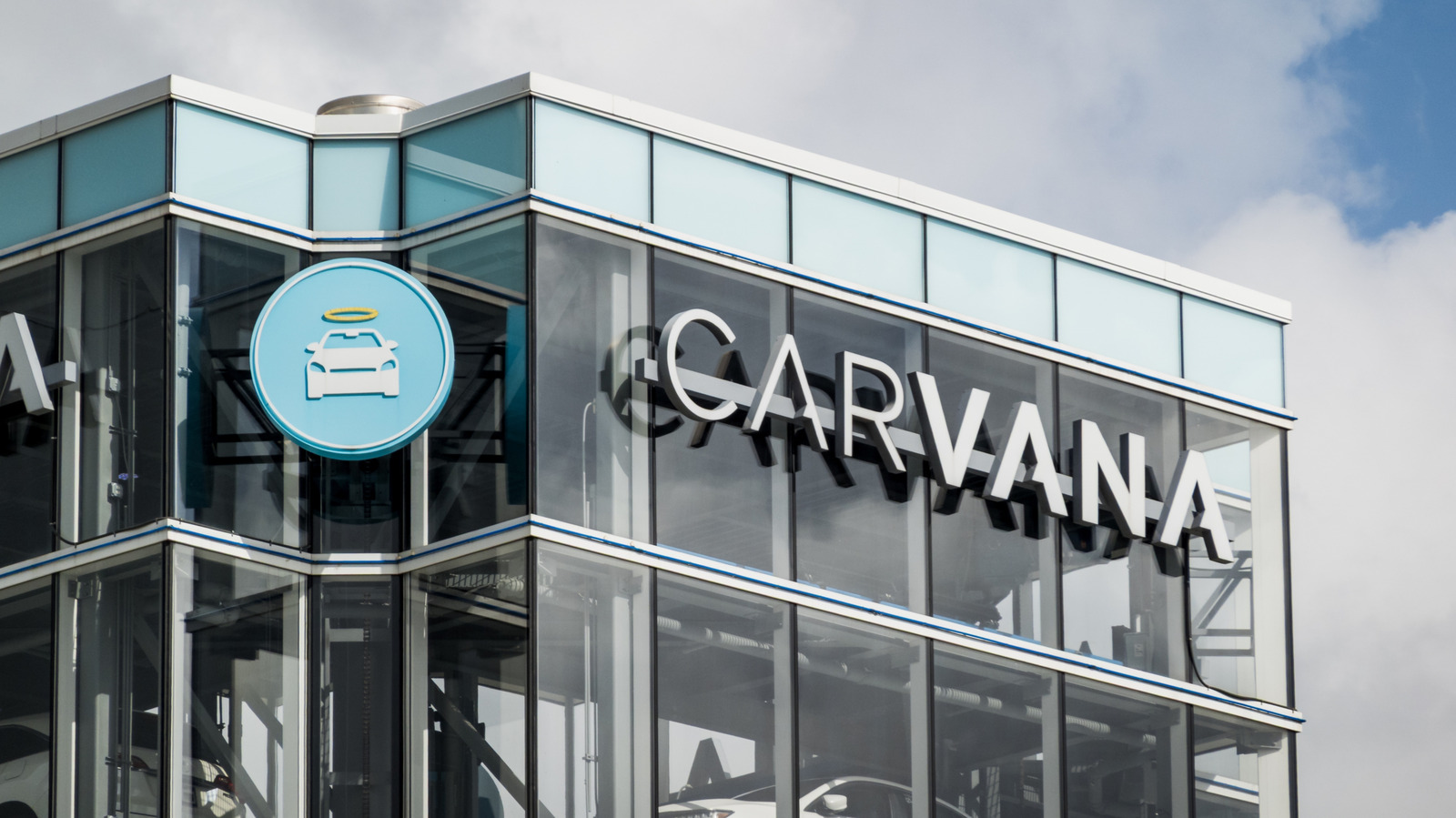
The source text says Automotive News found that Carvana has already bought seven dealerships, all of them Stellantis-branded stores. The first was a Chrysler Dodge Jeep Ram dealership in Casa Grande, Arizona, and the most recent acquisition mentioned in the report is in Avon Lake, near Cleveland. Those stores now carry Carvana-branded homepages, a visible sign that the company is integrating them into its retail network.
For now, Stellantis is the only automaker represented in Carvana’s new-car dealership footprint. The report does not include a public explanation from Carvana for why it chose this route, though it notes that CNBC expected the retailer to discuss its plans at an upcoming media event. An analyst cited in the source suggested one reason may be that Stellantis stores were comparatively available and more affordable to acquire.
Even without a formal strategy statement from the company, the pattern is clear enough. Carvana is not testing the waters with a one-off purchase. It has assembled a small but meaningful dealership base and appears to be putting its brand and operating style directly onto those assets.

Why the Arizona store stands out
The strongest evidence that this expansion could matter comes from the Casa Grande dealership. According to Stellantis sales figures cited in the source report, that store sold more than 700 new vehicles in the last month, making it the top seller in the nation among comparable dealerships. Before Carvana acquired it, the location reportedly averaged roughly 30 to 50 vehicle sales per month.
That jump is dramatic. Even allowing for the need for caution around a single location and a short time frame, the contrast implies that Carvana’s online reach, lead generation, and transaction flow may translate effectively into the new-car space. If the numbers hold, they would suggest that a dealership can become something much closer to a fulfillment and service node while the core shopping process happens digitally.
That prospect matters for the industry because the traditional dealership model has long relied on in-person sales processes involving multiple staff roles, negotiation, and showroom traffic. Carvana’s brand promise has been the opposite: buy online, have the car delivered, and reduce the amount of friction in between. Bringing that formula into franchised new-car sales could pressure conventional dealers to rethink how much of their process still needs to happen on the lot.
What changes and what stays the same
The report indicates that Carvana’s Stellantis stores still retain key dealership functions, including service departments. That is an important point because new-car retail is not only about the sale itself. Warranty work, maintenance, parts, and long-term customer support are all central to the dealer-manufacturer relationship. By keeping service operations intact, Carvana appears to be working within the franchise structure rather than trying to strip it down to a purely transactional shell.
At the same time, there are meaningful differences in how the customer purchase experience is handled. The source describes Carvana’s familiar model as online-driven, with fewer of the conventional dealership steps and personnel. Buyers can complete the transaction digitally and have the vehicle delivered. The acquired stores still maintain an in-person component for new-car sales, but Carvana’s presence suggests that physical retail is no longer the unquestioned center of the process.
That blend may be the real significance of the strategy. Rather than replacing dealerships, Carvana may be trying to redesign their role. The storefront remains necessary for franchise compliance, service, and local operations. But the company’s advantage lies in digital merchandising, consumer reach, and streamlined checkout. Put differently, the dealership may remain, but it may behave more like infrastructure than theater.

Why this matters beyond one company
Carvana’s timing is also important. The company was widely viewed not long ago as financially vulnerable, yet the source report describes it as having staged a comeback and achieving a market valuation greater than the Detroit Big Three automakers. Moving into new-car sales from that position turns recovery into expansion.
If the strategy succeeds, it could influence three groups at once. Dealers may face a new competitive benchmark for online conversion and sales volume. Automakers may see digital-first retail groups as more attractive franchise operators, especially in underperforming markets. Consumers may increasingly expect the new-car buying process to resemble the cleaner, faster workflows that companies like Carvana popularized in used cars.
There are still major unanswered questions. The report says Carvana had not publicly explained its rationale at the time of publication, and the long-term scalability of the model is unproven. Seven Stellantis stores do not by themselves rewrite the U.S. dealership system. Performance at one Arizona location, however eye-catching, may not automatically carry over elsewhere.
Still, the direction is hard to ignore. Carvana has crossed from being a digital used-car specialist into being a franchised new-car retailer with operating dealerships, service departments, and reported market-leading sales at at least one store. In an industry that often changes slowly, that is a meaningful development. Whether it remains a niche experiment or becomes a template for broader dealership transformation will depend on what happens next at the rest of the stores Carvana now controls.
This article is based on reporting by Jalopnik. Read the original article.
Originally published on jalopnik.com
![Volkswagen's new electric hot hatch delivers more power than the Golf GTI [Images]](https://electrek.co/wp-content/uploads/sites/3/2026/09/Volkswagen-ID.3-GTI-EV-side.jpeg?quality=82&strip=all&resize=1200,628)