Florida Signals a Sharp Transportation Policy Shift
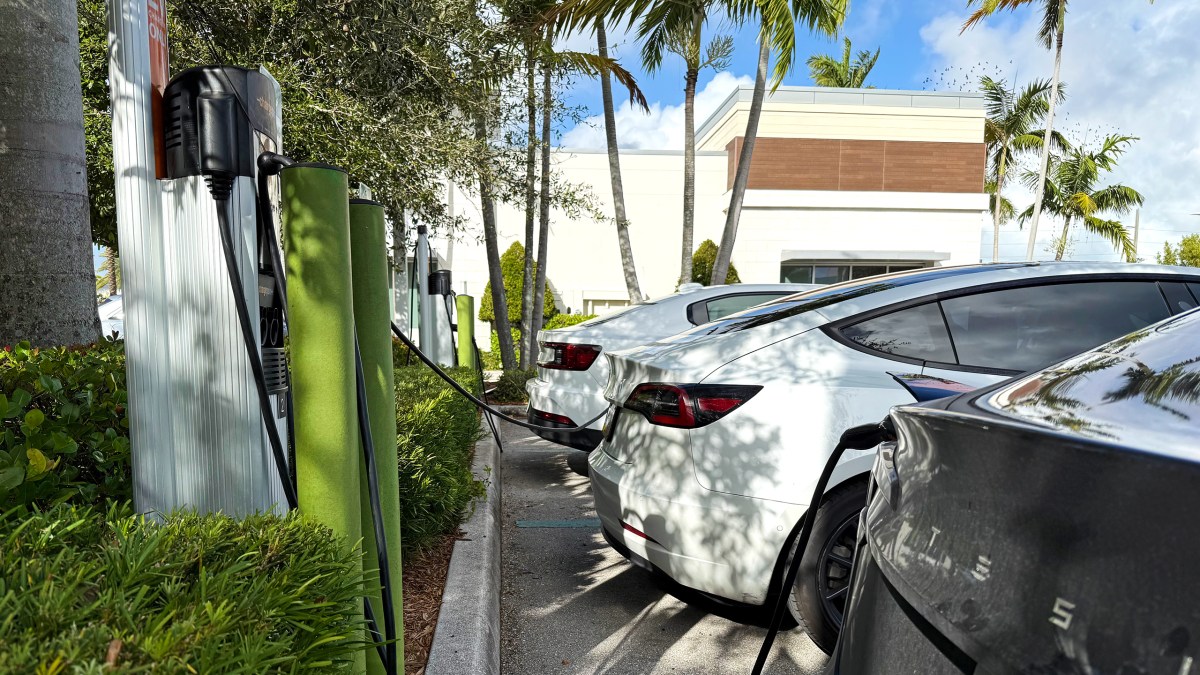
Florida transportation officials are proposing to redirect nearly $200 million that had been earmarked for electric-vehicle charging infrastructure and instead use the money to support an "aerial highway network" for electric vertical takeoff and landing aircraft, or eVTOLs. The proposal, described in documents cited by the Miami Herald and summarized by The Drive on August 3, marks a notable change in how the state may prioritize emerging mobility investment.
According to the summarized document language, the Florida Department of Transportation argued it would not spend taxpayer money on "everyday passenger vehicles" and would instead support what it called "an innovative and strategic approach" for a new mode of transportation. If advanced, the move would represent more than a budgeting adjustment. It would amount to a policy statement about which clean-transport technologies the state believes deserve public backing first.
Why the Proposal Matters
The contrast is striking because Florida already has one of the largest electric-vehicle populations in the United States. The Drive summary says the state has the second-highest number of EVs in the country, yet still falls short of the national average for chargers per vehicle. That combination suggests an unresolved infrastructure gap even before any funding is moved elsewhere.
Charging networks are a practical dependency for EV adoption. Public chargers affect long-distance travel, urban access for drivers without home charging, and commercial fleet flexibility. Redirecting money away from that buildout could slow deployment in parts of the state that remain underserved, especially if private investment does not fill the gap on the same timeline.
By contrast, eVTOL networks remain an emerging concept. The proposal’s reference to an aerial highway network suggests a future-oriented infrastructure vision centered on flying taxis, but the supplied source text does not detail how the system would be built, what routes would be prioritized, or when such service could operate at scale. That uncertainty is part of why the proposal stands out: the state appears willing to favor a less mature transportation mode over a more immediate ground-based need.

Competing Visions of Public Investment
At its core, the debate is about public priorities. EV charging supports existing vehicles already on the road and addresses a measurable deployment problem. An eVTOL network points to a possible future market that could reshape urban and regional travel if aircraft, operations, regulation, and consumer adoption all align.
Supporters of advanced air mobility often argue that early infrastructure planning is necessary because air corridors, vertiports, grid connections, and traffic-management systems cannot be improvised once demand arrives. From that perspective, waiting until the sector is fully mature may leave states behind. The Florida proposal appears to adopt that logic by framing flying taxis as an emerging transportation category worth strategic state support.
Critics are likely to ask whether that is the best use of money originally assigned to a more immediate purpose. The Drive summary underscores the tension by placing the proposal against Florida’s current charger shortfall. If the state already lags the national average in chargers relative to its EV fleet, taking money away from charging could deepen a bottleneck that affects drivers now, not years from now.
An Important Signal to Industry
Even if the proposal is modified or does not move forward in its current form, it sends a message to multiple industries. For EV infrastructure providers, it raises fresh questions about the reliability of state-backed charging plans. For companies developing eVTOL aircraft and related systems, it suggests Florida wants to position itself as an early public-sector partner in advanced air mobility.
That signaling effect matters because infrastructure markets depend on long-term expectations. Companies deciding where to build, test, or expand look not only at current demand but also at whether state policy is aligned with their business model. A visible shift from charger deployment to aerial mobility could influence where capital and partnerships are directed.
The move also fits a broader pattern in transportation policy in which governments increasingly have to choose between supporting technologies that are commercially present now and technologies that promise larger future transformation. The challenge is that the two timelines do not always match. EV charging is a present-tense constraint, while eVTOL transport is still largely a forward-looking proposition.

What We Know and What Remains Unclear
Based on the supplied source text, several points are clear. The amount under discussion is nearly $200 million. The money had been designated for EV charging. The Florida Department of Transportation proposal would redirect it toward an aerial highway network for flying taxis. And the state currently has both a very large EV base and a below-average charger-per-vehicle position.
What remains unclear from the available material is just as important. The source text does not specify whether the funding shift has been approved, which programs would lose out first, how the aerial network would be structured, or which eVTOL developers or operators might benefit. It also does not address whether federal restrictions or program rules apply to the earmarked funds.
Those missing details will determine whether this becomes a symbolic headline or a consequential transportation reordering. If the money can in fact be redirected and the state chooses to follow through, the decision would likely become a national test case in how governments balance immediate electrification needs against more speculative mobility bets.
A Decision With National Relevance
Florida’s proposal matters beyond state lines because other governments are facing the same strategic question: should public money prioritize scaling technologies already in public use, or seed entirely new systems before their business case is settled? The answer can shape not just infrastructure maps but industrial ecosystems.
For now, the Florida case captures the tradeoff in unusually direct form. One option expands charging for a large and growing class of existing vehicles. The other tries to accelerate a future air-mobility network that remains largely developmental. The state’s next steps will show whether it sees transportation modernization as an effort to close today’s gaps, or as a chance to leap ahead into a more experimental future.
This article is based on reporting by The Drive. Read the original article.

Originally published on thedrive.com


![Volkswagen's new electric hot hatch delivers more power than the Golf GTI [Images]](https://electrek.co/wp-content/uploads/sites/3/2026/09/Volkswagen-ID.3-GTI-EV-side.jpeg?quality=82&strip=all&resize=1200,628)