Why the Road Outside Your House May Be Your Financial Problem
For many drivers, a damaged neighborhood street looks like a straightforward public-works failure. Potholes widen after winter, pavement cracks deepen, and residents assume the city, county, or township will eventually step in. But the funding picture for local streets in the United States is far less simple. In many cases, homeowners themselves ultimately bear much of the cost of maintaining the roads they use every day.
That is the central takeaway from a recent analysis by The Drive, which traces street maintenance back through the way American neighborhoods were built, financed, and later absorbed into public systems. The result is a fragmented model in which responsibility depends on history, jurisdiction, and the specific status of the street itself.
Who Built the Street Matters
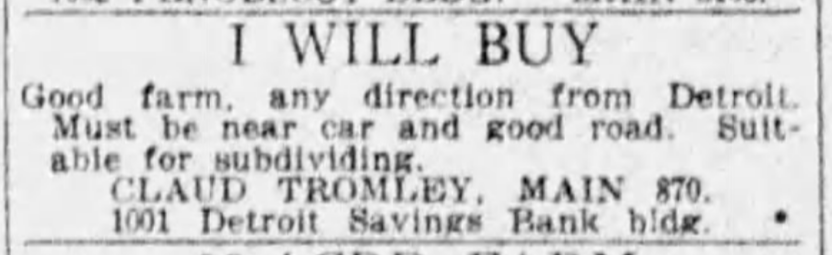
The first question is not who drives on a street, but who originally built it. In many suburban and residential areas, roads were not initially constructed by a city government. Instead, they were created by private developers as part of housing projects and land subdivisions. That pattern has deep roots in U.S. development, dating back more than a century.
Under that model, a developer installs the road as part of the broader infrastructure needed to sell homes. Afterward, a municipality may take over the street, but the details of that transfer matter. Some roads become fully public and are maintained through local government budgets. Others remain under homeowner association control or sit in gray zones where public ownership exists but funding is thin and repairs are delayed.
That history helps explain why residents often get conflicting answers when they ask who is supposed to fix a deteriorating street. The legal owner, the public agency overseeing the area, and the party effectively paying for upkeep are not always the same.
The Cost of Roads Is Higher Than Most Residents Assume
Street repair is expensive even before long-term maintenance is considered. According to the source material, building a two-lane road can cost roughly $1 million to $5 million depending on location, design, and materials. That is only the upfront price. Asphalt and concrete both degrade over time, especially in climates with freeze-thaw cycles, heavy rain, and repeated vehicle loads.
Maintenance costs also vary significantly. A neighborhood road may appear modest compared with a highway, but resurfacing, drainage work, curb repairs, and sidewalk restoration can quickly add up. Tree roots, utility cuts, and weather damage increase the bill. In older communities, deferred maintenance makes the eventual repair even more costly.
For homeowners, that cost often arrives indirectly. Even when a local government manages the work, taxpayers still fund the system through property taxes, special assessments, fees, and other local revenue tools. In some cases, residents are charged more explicitly through dedicated neighborhood assessments or homeowner association dues.
Why Gas Taxes Do Not Solve the Problem
Many Americans assume fuel taxes cover road upkeep. In practice, that money does not stretch far enough, and it is not always directed to the streets people are asking about. Gas-tax revenue, highway trust funds, and related transportation dollars often flow toward larger transportation networks, with distribution shaped by federal, state, and local rules.
Neighborhood streets compete for attention against arterial roads, bridges, water systems, public safety budgets, and school funding. Municipalities may be responsible on paper for local pavement, but responsibility does not guarantee sufficient money. That gap between obligation and available revenue is one reason streets can remain in poor condition for years.
The Drive’s reporting frames this as a hard reality of American infrastructure finance: whether funding is labeled private, public, or hybrid, residents usually pay in the end. The only question is how directly they see the bill.

A Patchwork System Produces Uneven Results
Because road funding is distributed across multiple layers of government and private administration, street conditions can vary sharply even within the same metro area. One subdivision may have well-maintained pavement because it has a strong tax base or an active homeowner association. Another may struggle because the road was inherited under a weak maintenance arrangement or because the local government faces competing demands.
This patchwork also makes accountability difficult. Residents may call the county and be told to contact the township. A township may point to a developer agreement, a homeowners’ association, or a municipal engineering office. In some communities, even determining the exact status of a road requires historical property research.
That confusion is not a side issue. It affects how quickly repairs happen, who can authorize them, and whether residents can realistically advocate for change.
What the Bigger Lesson Is
The broader significance of the issue is that local streets are not simply a public convenience. They are durable assets with long financial tails, and those costs never disappear. They can be shifted across time, spread across tax bases, or assigned through neighborhood structures, but they still land on households one way or another.
Understanding that reality matters as U.S. communities face aging infrastructure, construction inflation, and tighter budgets. It also matters as residents debate new housing development, suburban expansion, and long-term public liabilities. Every new road creates a maintenance obligation that can outlast the original builder by decades.
For homeowners frustrated by potholes outside their front door, the unpleasant answer is often the correct one: the public may manage the street, but the money still comes from the people who live there. The road may feel like a shared civic asset. Financially, it is often much closer to a neighborhood bill.
Key takeaways
- Many residential streets were originally built by developers, not governments.
- A two-lane road can cost about $1 million to $5 million to build, before maintenance.
- Fuel taxes and public road funds often do not fully cover local street repair needs.
- Homeowners frequently pay indirectly through taxes, fees, dues, or special assessments.
This article is based on reporting by The Drive. Read the original article.

Originally published on thedrive.com