Real-World Advice for a Band Gear Hauler
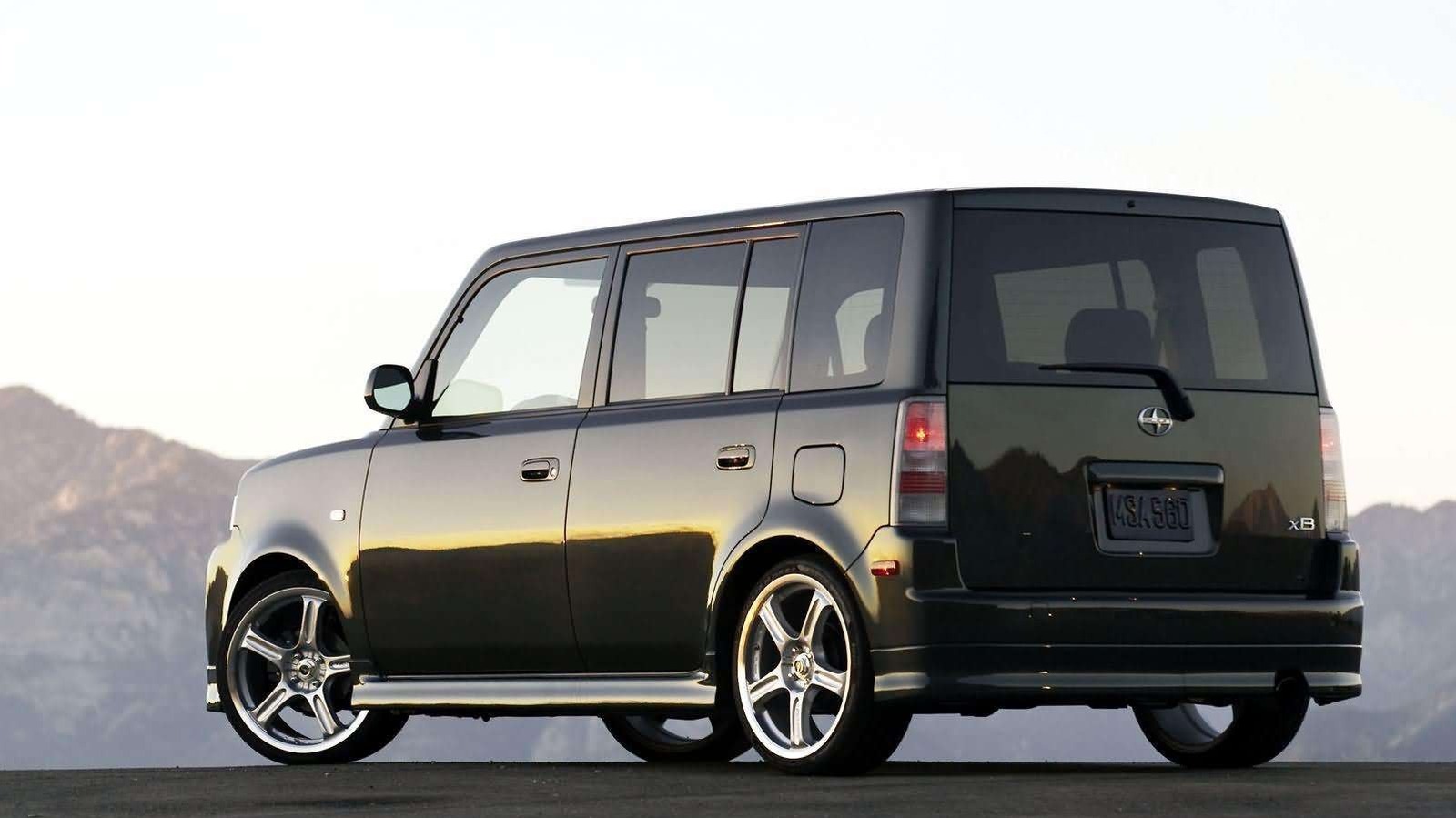
When you're a working musician in the Detroit area, your vehicle is more than just transportation. It's an instrument in its own right: the faithful carrier that gets you and your amplifiers to out-of-town shows without complaint. But the line between road-worthy and outright functional can become blurry when you're hauling a stack of gear night after night. This is exactly the problem posed by Tim, a local band member whose Scion xB has been the perfect utility box but is showing signs of age. He has $20,000 to spend, wants generous cargo space, and has no interest in piloting a full-size van or minivan around Metro Detroit.
The request is refreshing, because it avoids the obvious suggestions. Plenty of drivers in this position are steered toward vans or crossover SUVs with all-wheel drive and roof rails. Yet Tim says he wants something with "a lot of cargo space without giving up some fun-to-drive factor." That phrase is a signal that a modern hatchback or a station wagon could fit the bill far better than a box on wheels.
Why a First-Generation Scion xB Is So Hard to Replace
The Scion xB earned a cult following precisely because it looked like a small toaster and swallowed an absurd amount of stuff for its footprint. It wasn't quick, but it had character, and it allowed musicians and outdoor enthusiasts to load up vertically without many compromises. Today, early xBs are either rusted out or have well over 200,000 miles on the clock. Tim is wise to plan a replacement before his current car gives up entirely.
Common compact hatchback alternatives, such as a VW Golf or Veloster, tend to fail the "amp test." Their rear hatch openings may look generous on paper, but once you've wrestled a 4x12 cab into the trunk, you quickly learn where geometry falls short. Wagons, on the other hand, have evolved from old-school wood-paneled family transport into genuinely useful long-roofs with spaces that approach small vans without the stigma or the sliding doors.
The Case for a Long-Roof Wagon Under $20,000
One of the two expert recommendations in the original advice column makes a strong case for a specific wagon: the Buick Regal TourX. It may not have the badge of a European sports wagon, but it has exactly the right proportions and power for this situation.
Tom's Pick: The Euro-Styled Buick Regal TourX
The TourX may have had a short life in Buick's showroom, but its death has made it a smart used buy. On the outside, it has that subtle, low-slung look that screams "luxury estate" rather than "delivery van." Underneath, it's all familiar GM running gear, meaning parts and service are available at any dealer or independent shop without European-specific drama.
What matters most to Tim is space. In its standard configuration, the TourX provides more than 37 cubic feet of cargo area behind the second row. Fold the seats down, and that volume expands to about 73 cubic feet. For context, that's a large enough cargo bay to swallow a full-band backline: heads, cabinets, speaker monitors, pedalboards, and a drum kit, with room left for a change of clothes.
Power is equally satisfying. A 2.0-liter turbocharged four-cylinder sends 270 horsepower to the wheels. That's not supercar territory, but it is enough to make highway passing and on-ramp merges feel effortless—even with the rear end loaded. It walks a perfect middle ground of functional and moderately fun, exactly what Tim asked for.
The recommendation from the expert is a specific used listing: a nice Regal TourX with only 64,000 miles, priced under $18,500. That price leaves a little room in the $20,000 budget for taxes, registration, and perhaps a small roof rack or cargo liner.
Collin's Rebuttal: The Overlooked Classic
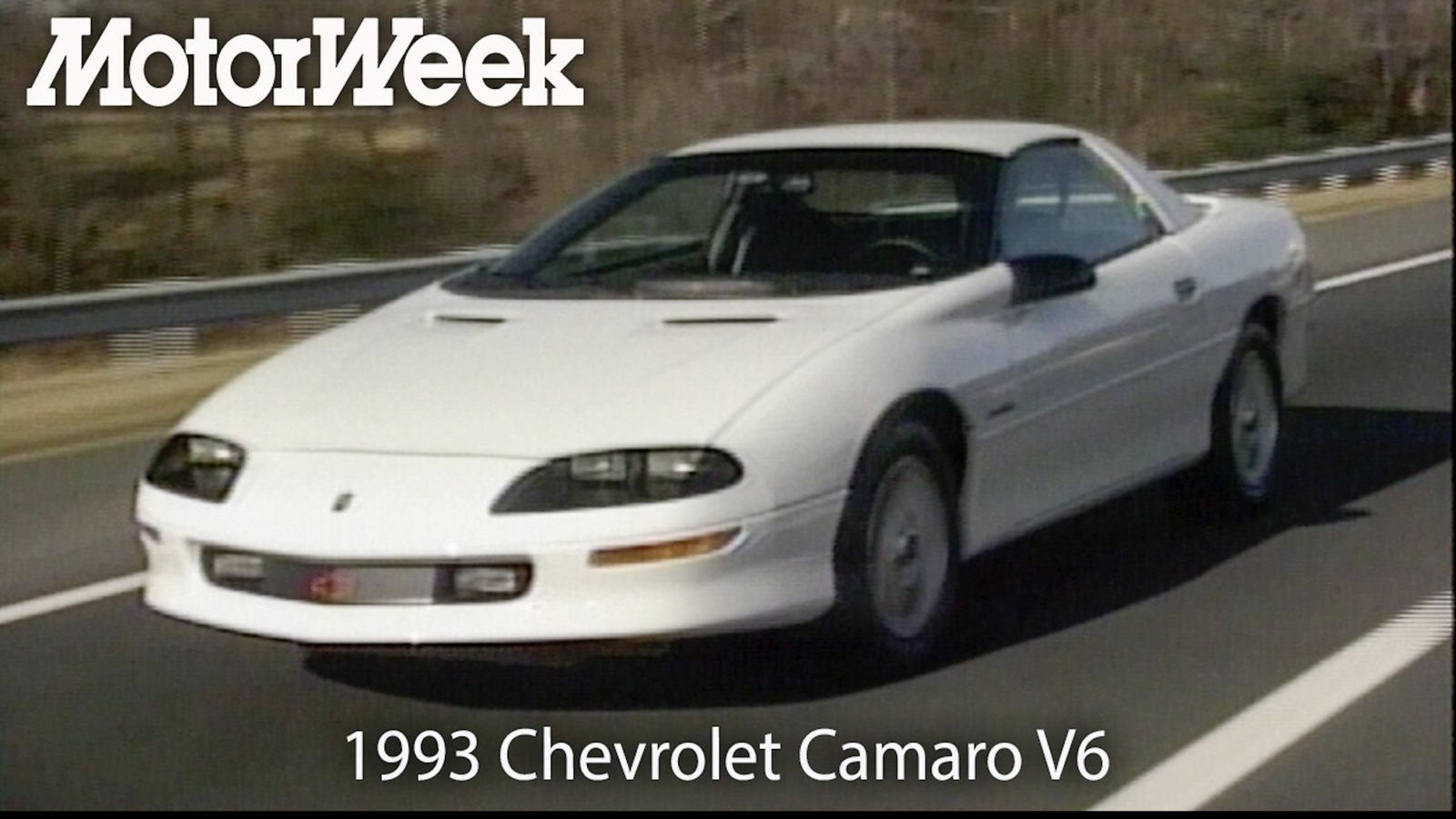
The second advice columnist understands the xB's practicality and acknowledges Tim's desire for something more enjoyable. He begins to answer by pointing toward "an overlooked classic" in the automotive world. While the excerpt doesn't reveal the exact model, its underlying argument is sound: there are dozens of underappreciated wagons and tall hatchbacks sitting in two-owner garages, unloved by used-car shoppers who default to crossovers.
In the used market, an overlooked classic often means a car with European or Japanese heritage that has a community of enthusiastic owners. It may lack the brand recognition of a Golf, but it compensates with better cargo ergonomics, distinctive styling, and occasionally more involvement behind the wheel. For a musician, the "classic" aspect also gives a sense of identity—a vehicle that's as individual as the band itself.
How to Choose the Right Gear-Hauling Car
Whether you follow the TourX suggestion or chase one of the overlooked classics, there are a few non-negotiables to keep in mind when shopping with a budget around $20,000:
- Measure your biggest piece of gear first. Spec sheets say "seats folded," but the shape of the opening and the load floor height matter more than the total volume.
- Consider low-mileage examples over shiny features. Band vehicles rack up highway miles and hours of idling, so find one with documented maintenance.
- Do not compromise on drivetrain condition. Wiring harnesses and infotainment screens are expensive to fix; a well-maintained engine and gearbox are worth their weight in gold.
- Check for folding rear seats that create a flat, continuous load floor. This is where wagons often beat liftback sedans.
- Leave a small budget cushion for upgrades like rubber floor mats, a cargo separator, or a premium spare tire if you travel out of Detroit frequently.
The Drive Home
Tim's scenario highlights a broader trend among practical car users. The Scion xB taught a whole generation of gear-haulers that square shapes are useful, but it also left them wanting a bit more charm. A low-key wagon such as the Buick Regal TourX addresses the practical side with 73 cubic feet of maximum cargo volume and a modern, willing 270-hp engine. If that feels too mainstream, the "overlooked classic" route can offer character and uniqueness in equal measure.
Ultimately, Tim doesn't need a van to be a musician. With the right long-roof under $20,000, he can share the stage with his bandmates and still be the person who offers a ride to the guy with the tiny rehearsal amp.
This article is based on reporting by Jalopnik. Read the original article.
Originally published on jalopnik.com