GE Vernova’s latest numbers point to a power market under strain
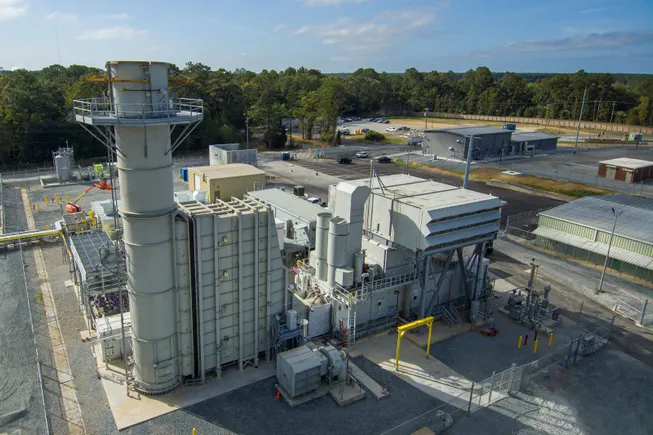
GE Vernova said its gas turbine order backlog reached 116 gigawatts at the end of the second quarter of 2026, up from 100 gigawatts in the first quarter, underscoring how strongly utilities and large new power buyers are still pursuing firm generation capacity.
The figure, disclosed alongside the company’s second-quarter results, is one of the clearest signs yet that the market for heavy-duty gas turbines remains tight. GE Vernova’s chief executive, Scott Strazik, said the company is already taking reservations for 2031 deliveries and expects its combined backlog of gas turbine orders and slot reservations to reach 125 gigawatts by the end of the year.
That kind of lead time matters. It shows that customers are not just buying for near-term reliability needs. They are making multi-year bets on the availability of dispatchable power, even as the industry continues to invest in grid equipment, nuclear, hydro, and renewable resources.
The immediate story is gas, but the broader story is bottlenecks
GE Vernova’s quarter was marked by double-digit revenue and order growth overall, driven mainly by its Power and Electrification segments. The company’s power unit covers gas, hydro, and nuclear generation equipment and services, while its electrification business includes hardware such as transformers and switchgear.
Those details matter because the quarter’s results were not simply a story about one turbine manufacturer selling more machines. They suggest that multiple layers of the power system are under simultaneous pressure. Utilities and other buyers need generation equipment, but they also need the grid infrastructure that connects and delivers power.
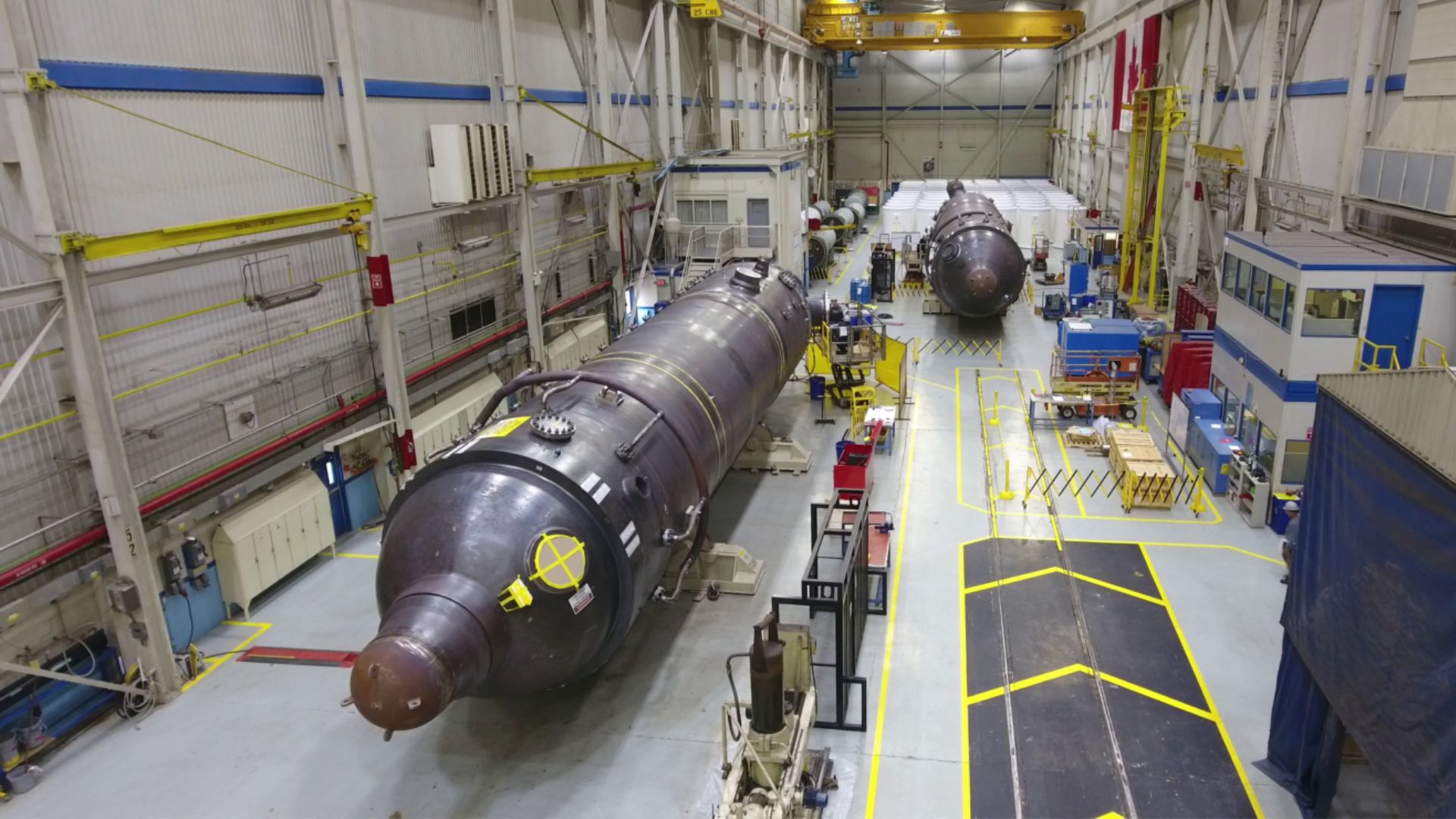
The company said its electrification backlog reached $41 billion, up 69% year over year. That figure points to demand stretching beyond generation into the transmission and distribution side of the business. When backlogs build across both turbines and electrical equipment, it typically signals a systemwide expansion cycle complicated by manufacturing constraints, project queues, and long procurement timelines.

Data centers are still a minority of customers, but no longer a footnote
One of the most closely watched details from the earnings call was Strazik’s breakdown of the gas turbine customer mix. He said about 80% of customers are traditional buyers such as utilities, while roughly 20% are data center customers.
That split is important for two reasons. First, it indicates that the gas turbine surge is not solely an AI infrastructure story. Utilities remain the dominant force in the market. Second, it confirms that data center power demand is becoming material enough to be called out explicitly in a global turbine backlog measured in the hundreds of gigawatts.
Over the past year, power suppliers and equipment makers have increasingly described a new class of buyers seeking dedicated or accelerated access to electricity. Large computing facilities, including those tied to AI workloads, have become part of the competition for generation slots, interconnection capacity, and long-lead electrical equipment. GE Vernova’s numbers suggest that this pressure is now visible in one of the industry’s most concrete supply indicators: the queue for turbines themselves.
Why long delivery queues matter for energy planning
GE Vernova shipped 3 gigawatts of turbines during the quarter and signed 20 gigawatts of orders and slot reservations. More than half of those were for HA-class turbines, which the company said customers typically run at higher capacity factors.
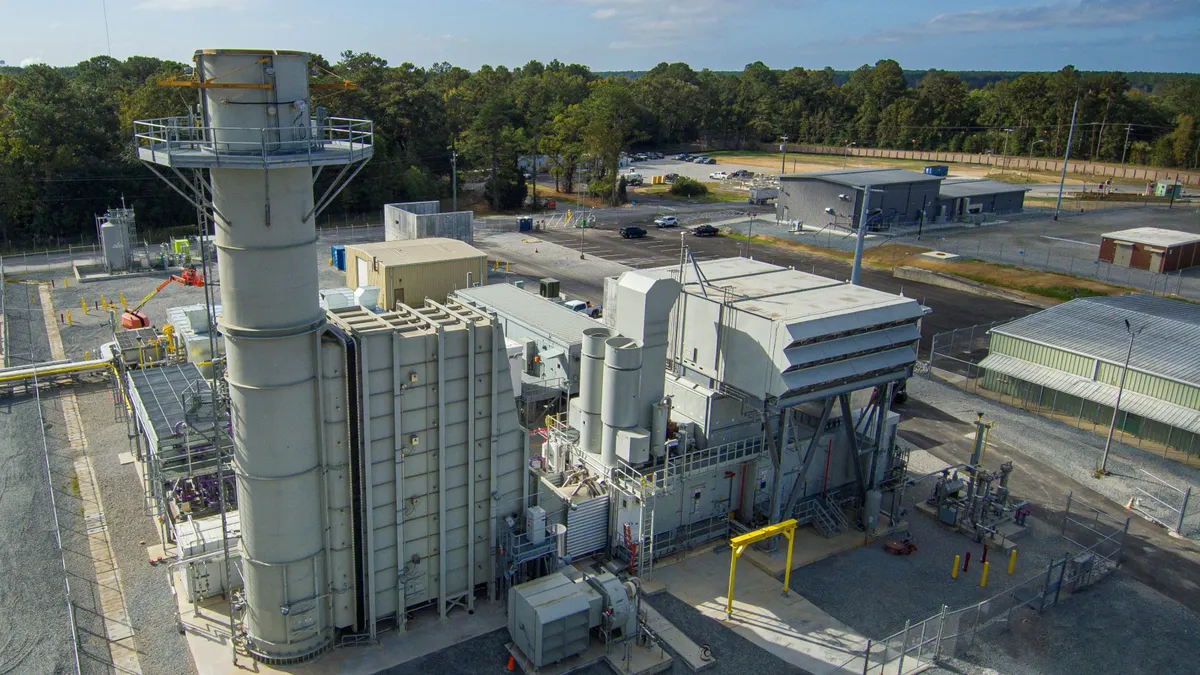
That preference suggests buyers are not merely seeking optional backup power. They are ordering machines expected to play a substantial role in sustained generation. In practice, that can mean utilities trying to shore up reliability, developers trying to anchor major industrial loads, or operators trying to bring new demand online within the limits of what the current grid can support.
It also means the market remains supply constrained. If customers are already reserving 2031 delivery positions and the manufacturer expects to be more than halfway contracted for that year by the end of 2026, project developers cannot assume rapid access to new thermal capacity. That has implications for everything from resource planning to financing timelines and regional reliability strategies.
Strong gas demand is arriving alongside weakness in wind
The contrast inside GE Vernova’s portfolio is also notable. While Power and Electrification expanded, the company said its Wind segment saw orders fall sharply. Wind equipment orders were down 40% year over year, with the company citing continued weakness in U.S. demand for onshore wind turbines and blades.
That divergence helps explain the current shape of the energy market. Demand growth is real, but it is not translating evenly across technologies. Developers and utilities still need long-duration investment across multiple power sources, yet procurement patterns can shift quickly when projects run into economic, legal, or regulatory barriers.
In that environment, gas turbines retain a major advantage: they provide firm, dispatchable output and are being ordered by customers that appear willing to lock in delivery years in advance. That does not settle the longer-term policy debate over emissions, grid decarbonization, or the role of gas in future power systems. But it does show what many buyers are doing right now when faced with immediate capacity needs and constrained infrastructure options.
What the backlog says about the next few years
Strazik said GE Vernova’s turbine customers now span about 100 entities across 26 countries. That geographic spread matters because it suggests the demand surge is not confined to one regional reliability problem. It is broader and more diversified, even if the specific motivations differ from one market to another.
The company also pointed to strong pricing for its gas power equipment, another sign of a seller’s market. When lead times stretch, reservations fill years ahead, and buyers remain willing to commit, manufacturers gain pricing power. That can ripple outward into power project economics, utility capital plans, and ultimately the cost structure of new electricity supply.
The near-term message from the quarter is clear: buyers still see gas turbines as essential enough to queue years in advance, and they are pairing that demand with large orders for the electrical hardware needed to move power onto the grid. The more strategic message is that the industry is navigating a period in which demand growth, data center expansion, supply-chain constraints, and uneven clean-energy development are all colliding at once.
GE Vernova’s backlog does not answer how that collision will resolve. It does, however, provide a measurable snapshot of where the market is placing its orders now: in firm capacity, long-lead equipment, and delivery slots that extend well into the next decade.
This article is based on reporting by Utility Dive. Read the original article.
Originally published on utilitydive.com




