A mixed test flight still advanced the program
SpaceX’s first flight test of its next-generation Starship V3 delivered both progress and visible technical shortcomings, a combination that has become familiar in the company’s development style. According to the supplied source text, the mission marked the 12th Starship launch but the first after a broad redesign that touched the Super Heavy booster, the upper-stage Ship, the Raptor engines and launch infrastructure at Starbase in south Texas.
That redesign made this flight more than another incremental test. It was a systems-level checkpoint for whether the revised vehicle architecture could perform core mission functions under real flight conditions. By that standard, the result was incomplete but still important.
What worked
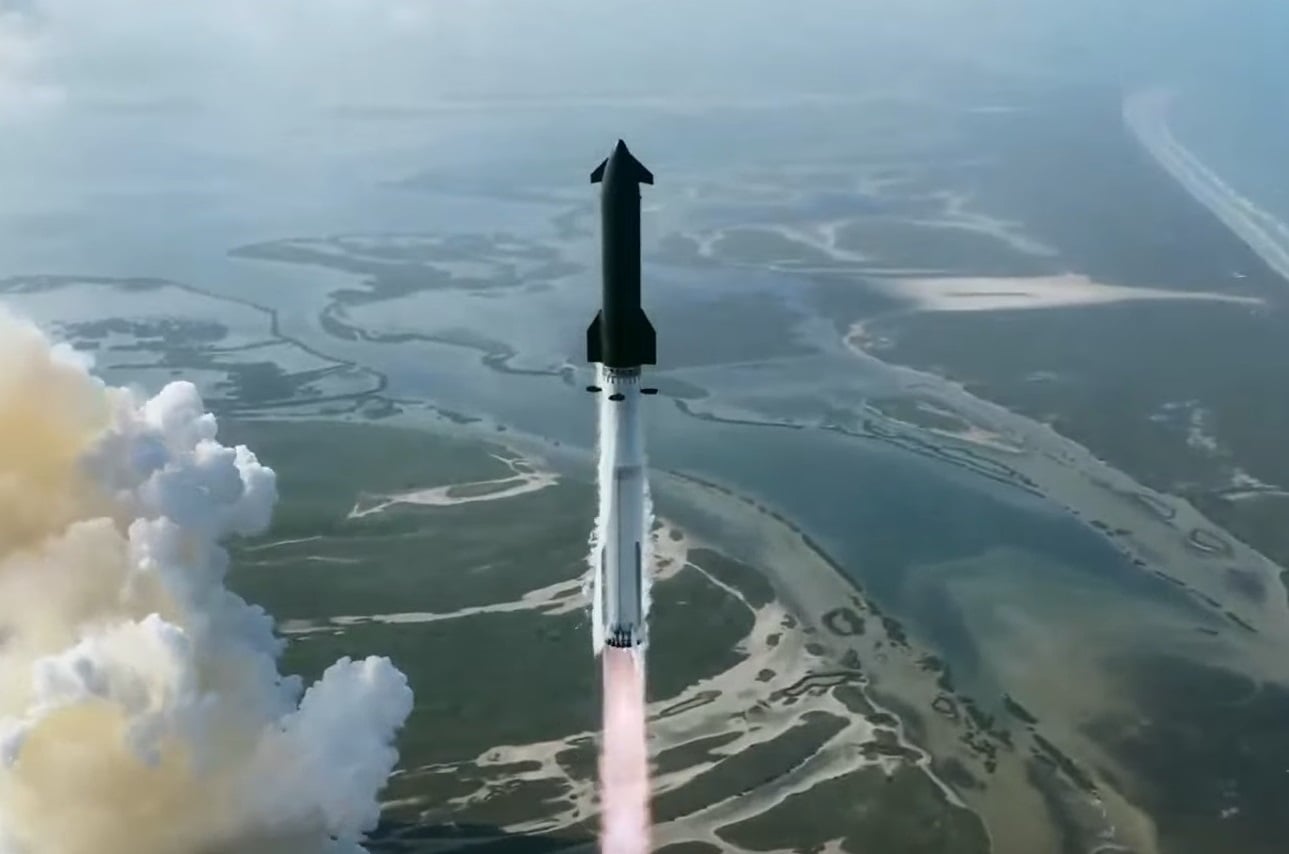
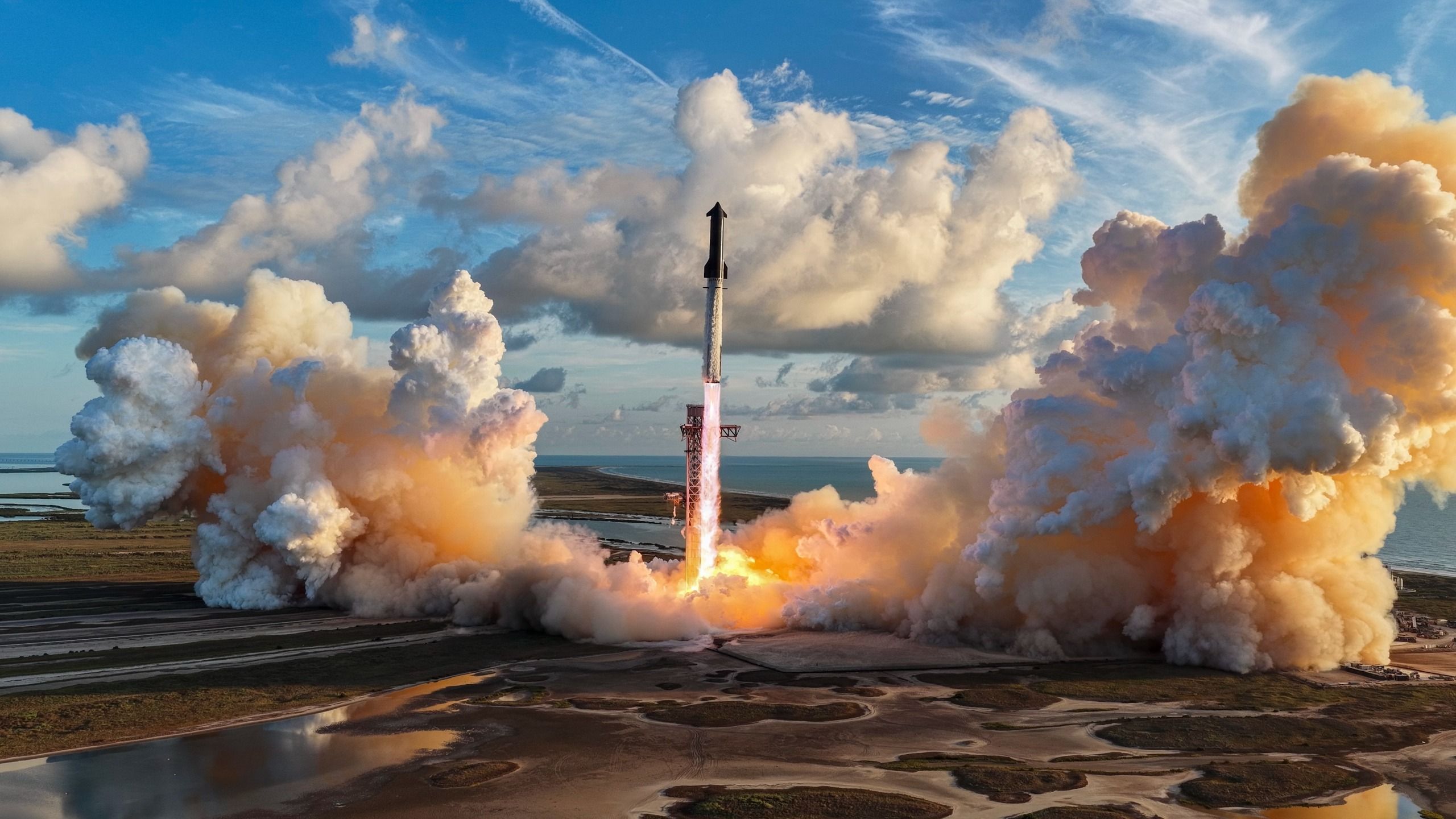
At liftoff, all 33 Raptor V3 engines on the Super Heavy booster ignited successfully, and the booster sent Ship on its planned trajectory over the Gulf of Mexico. Stage separation, one of the most critical points in any multi-stage launch, was achieved. Later in the mission, SpaceX deployed 20 satellite simulators as well as two modified satellites intended to test technologies for Starlink V3.
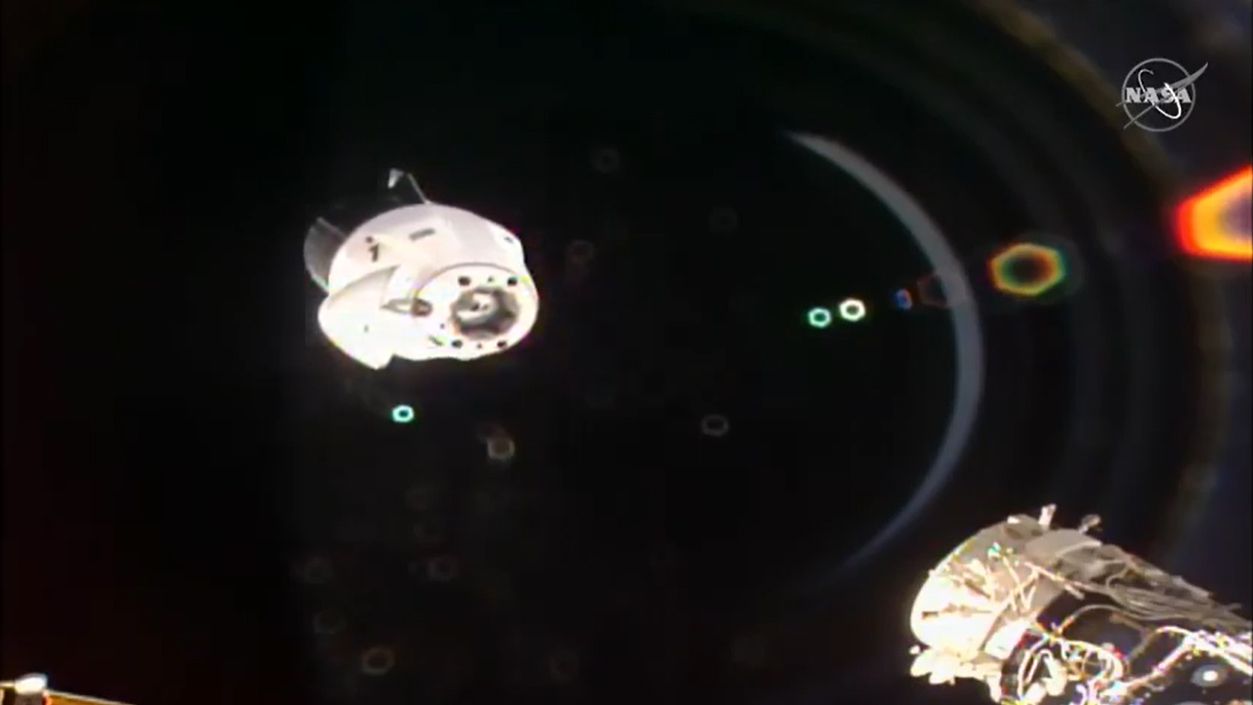
The mission also produced an operational capability SpaceX has been seeking: one of the modified satellites captured video of Ship in space and transmitted it back to Earth through the Starlink network. According to the source text, company commentator Dan Huot said the approach could support future heat-shield inspections in orbit. For a spacecraft expected to support reuse and, eventually, human missions, in-space visual awareness is a meaningful step.
During re-entry over the Indian Ocean, onboard cameras showed the upper stage surviving a fiery descent through plasma. Near splashdown, Ship relit two Raptor engines and flipped upright before striking the water. Although it burst into flames on impact, the vehicle still demonstrated another partial success: controlled behavior late in flight despite an off-nominal mission earlier on.
What did not go to plan
The booster shut down its engines prematurely after stage separation and fell into an uncontrolled but safe splashdown in the Gulf. SpaceX had aimed for a controlled splashdown, though not for booster recovery, so the failure did not destroy a planned retrieval attempt. Still, it showed that the booster side of the redesigned system remains short of full mission control.
The upper stage also encountered engine trouble. Only five of its six Raptor engines remained lit for the next flight phase, and SpaceX passed on an in-space engine relight attempt during the coast period. Huot described orbital insertion as within bounds rather than fully nominal, which is another way of saying the vehicle stayed close enough to test objectives to preserve value from the mission, but not close enough to declare clean success.
Why the outcome still matters
For conventional launch providers, a flight with multiple visible anomalies would be framed mainly as a setback. For SpaceX, the interpretation is more complicated because the company deliberately treats early flights as integrated experiments. The objective is often to push the hardware far enough to reveal weaknesses quickly while still collecting data on major subsystems.
That philosophy does not erase the problems. Reliable booster behavior, robust engine performance and repeatable re-entry control are all essential if Starship is to become the heavy-lift, rapidly reusable transport system SpaceX envisions. But the mission did hit several milestones that are relevant to that long-term goal: full booster ignition at launch, successful separation, payload deployment, data return from a satellite-assisted inspection concept, and an upper-stage re-entry sequence that reached late-flight engine activity.
The bigger significance lies in cadence. A vehicle as ambitious as Starship will mature through accumulated test evidence, not single clean demonstrations. This flight added to that evidence base while showing where redesign gains have not yet translated into full reliability. In practical terms, it kept the program moving while also sharpening the next engineering agenda.
- Starship V3 completed its first test flight after a major redesign of the vehicle and launch system.
- The mission achieved stage separation, payload deployment and a monitored re-entry.
- Booster shutdown issues and missing upper-stage engine performance kept the flight from being fully nominal.
This article is based on reporting by Universe Today. Read the original article.
Originally published on universetoday.com