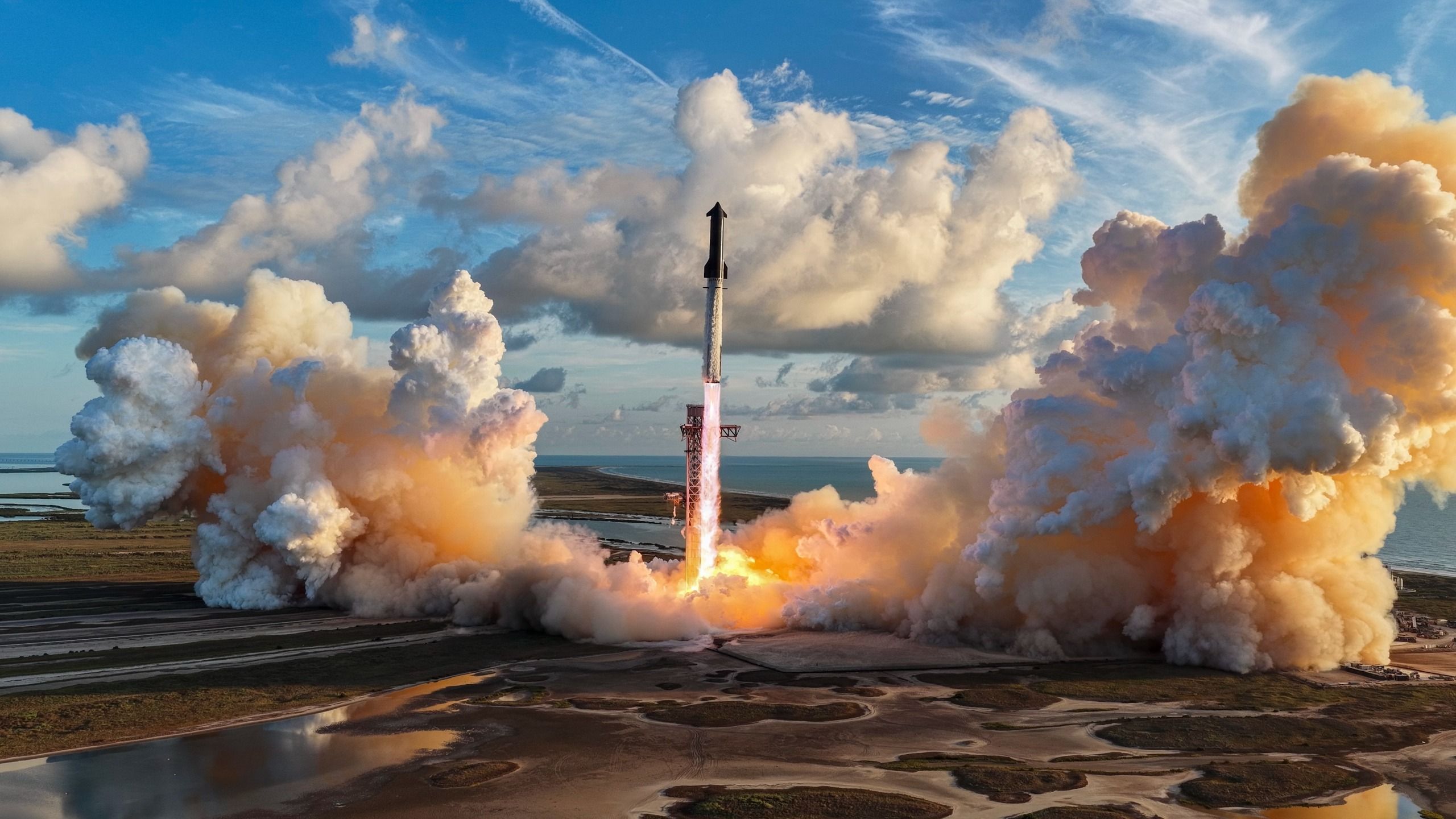
SpaceX is seeking permission to dramatically increase the number of Starship flights it can conduct from Starbase in South Texas, proposing up to 456 launches a year from the site near Brownsville. The request would represent a sharp increase from the 25 annual Starship flights currently allowed there.
The Federal Aviation Administration has begun the early stages of reviewing the proposal. On October 14, the agency announced its intent to prepare a programmatic environmental impact statement, open a public scoping period and hold public scoping meetings. Those steps begin a review process; they are not approval for the higher launch rate.
A proposed step change in launch operations
A ceiling of 456 launches would amount to more than one Starship launch per day on average. That cadence is far beyond Starbase’s history to date. Starship has flown 14 times, all as test flights from the Texas site.
The proposal matters because Starship is designed around rapid reuse. The vehicle stands more than 400 feet tall and is described as the largest and most powerful rocket ever built. SpaceX’s long-term premise is that a fully and rapidly reusable system could make spaceflight far more frequent than conventional launch operations.
Whether that vision can translate into a routine daily cadence depends on more than the rocket itself. Launch licensing, environmental review, public input, ground infrastructure, safety systems and the ability to turn vehicles around all shape what is feasible. The FAA’s planned environmental process will examine SpaceX’s proposed operational expansion before any change can take effect.
Starship’s latest milestone adds urgency
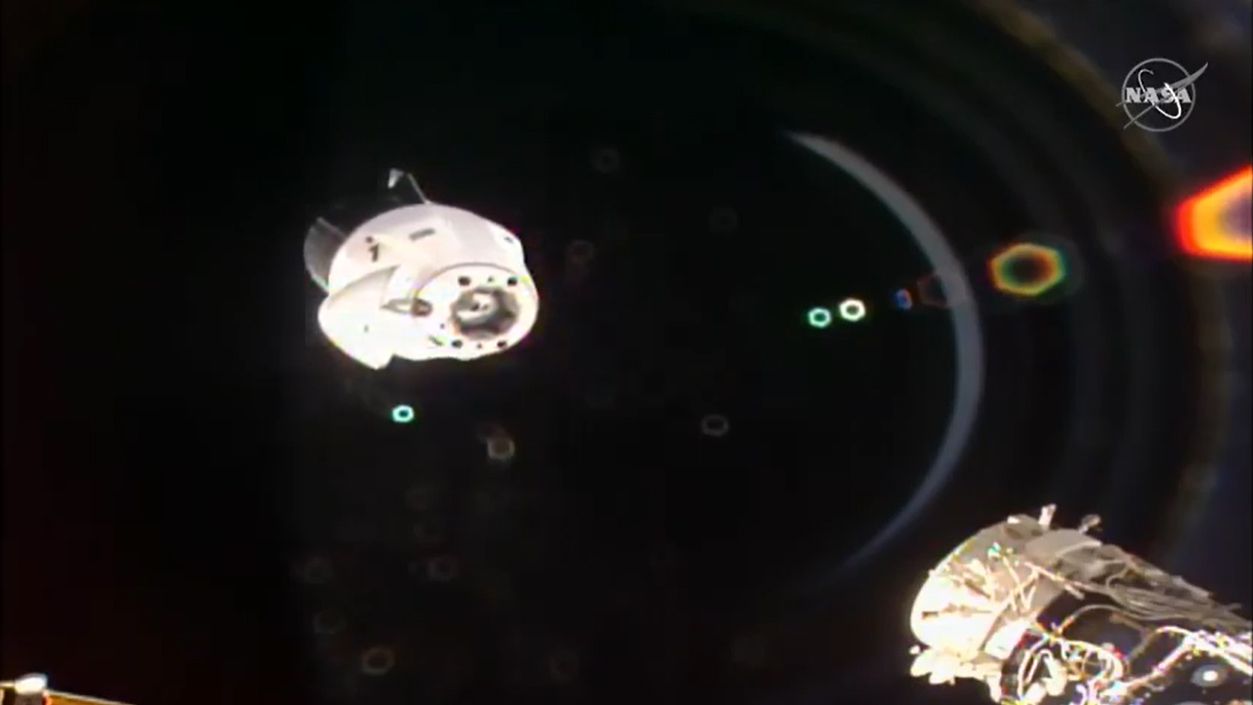
Starship’s most recent test flight lifted off on September 28. According to the source report, the vehicle reached orbit for the first time and deployed 26 Starlink V3 satellites. Those satellites were the first members of a new broadband constellation that SpaceX says could eventually reach 100,000 spacecraft.
That stated constellation scale helps explain why SpaceX is pushing for more launches. Building and replenishing a very large satellite network would require substantial launch capacity. The report also notes that Elon Musk has discussed a planned Starmind AI megaconstellation containing a million satellites and has said SpaceX is targeting more than 10,000 Starship liftoffs per year by 2030.
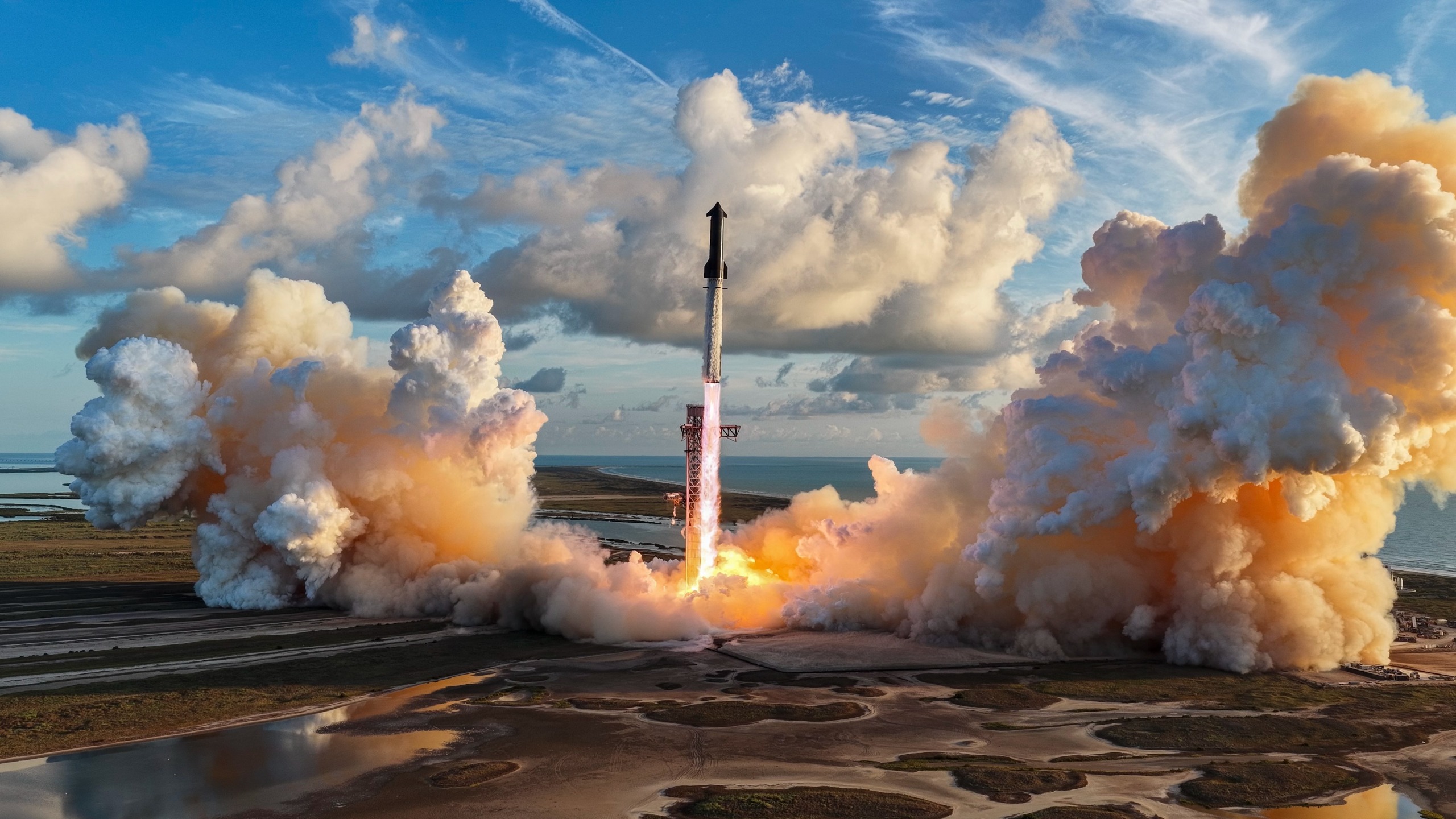
Those goals are far larger than the South Texas request alone. A 456-launch annual limit at Starbase would be only one part of a broader expansion. Still, it would make the site a major component of SpaceX’s attempt to transform Starship from an experimental vehicle into a high-frequency transportation system.
Starbase is not the only planned launch site
SpaceX does not expect all future Starship activity to come from South Texas. The company is working to bring three Starship pads online on Florida’s Space Coast. It also aims to break ground next year on a proposed $100 billion, 12-pad complex in Louisiana, according to the report.
That distributed approach could reduce the degree to which any one launch site must carry the company’s projected flight rate. It also underscores the scale of the infrastructure challenge. A high-cadence reusable launch system requires not only pads, but integration facilities, propellant systems, recovery operations, range coordination and personnel capable of supporting repeated flights.
At Starbase, the current proposal is specifically about increasing permitted launches from the company’s two orbital pads. The FAA review will determine how a much higher rate of operations should be assessed under federal environmental rules. Public scoping meetings are intended to identify issues and topics that should be considered during that review.

What the FAA process means
The agency’s announcement is an important procedural milestone, but it does not set a timetable or guarantee the requested outcome. Preparing a programmatic environmental impact statement is a substantial process, and its scope will be shaped in part by the public scoping period.
For SpaceX, the review is central to whether the company can pursue a launch rhythm consistent with its most ambitious deployment plans. For communities and stakeholders near Starbase, it creates a formal venue to weigh in on a proposal that could change the frequency of operations at the site.
The difference between 25 and 456 authorized launches is not incremental. It is a shift from a test-focused program to the regulatory framework needed for near-daily activity. Starship has reached a significant technical milestone with its first orbital deployment of Starlink V3 satellites. The next question is whether its surrounding launch infrastructure and approvals can evolve at anything close to the pace SpaceX is proposing.
This article is based on reporting by Space.com. Read the original article.
Originally published on space.com