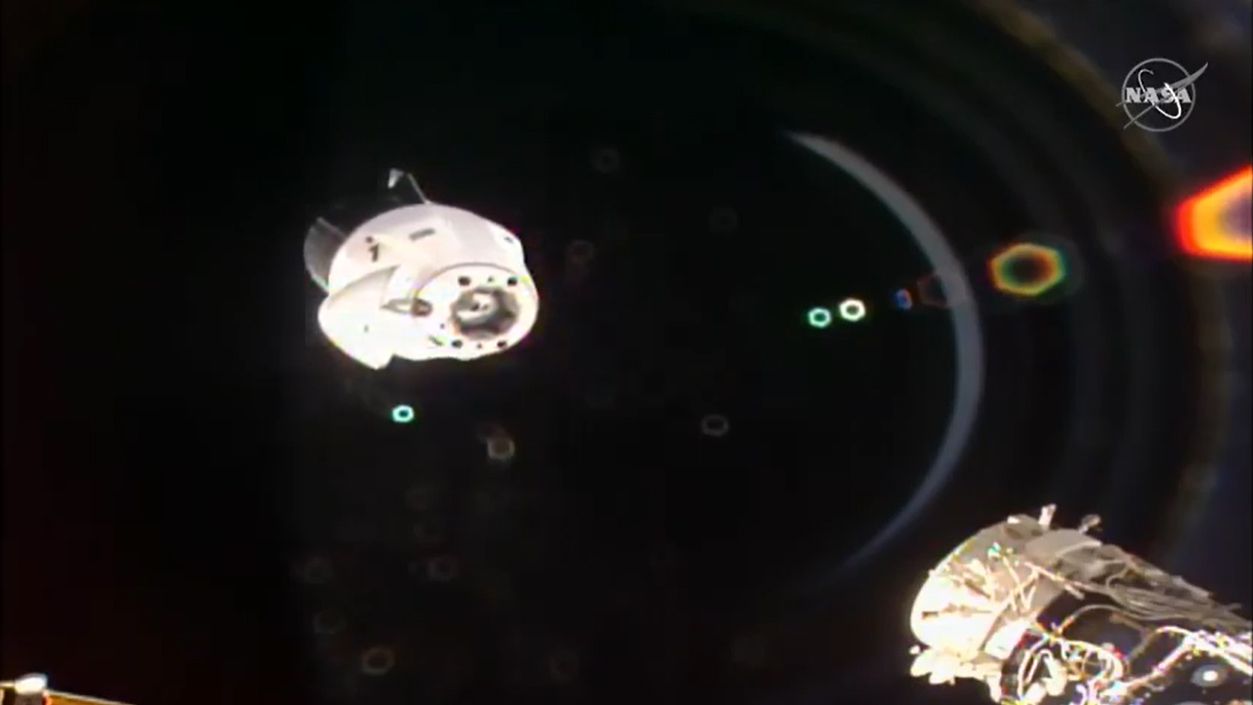
SpaceX’s CRS-35 cargo Dragon is approaching the International Space Station with fresh food, long-term provisions, research and hardware for the orbiting laboratory. NASA coverage of the rendezvous is scheduled to begin at 9:15 a.m. EDT on October 15, with docking targeted for about 11 a.m. EDT.
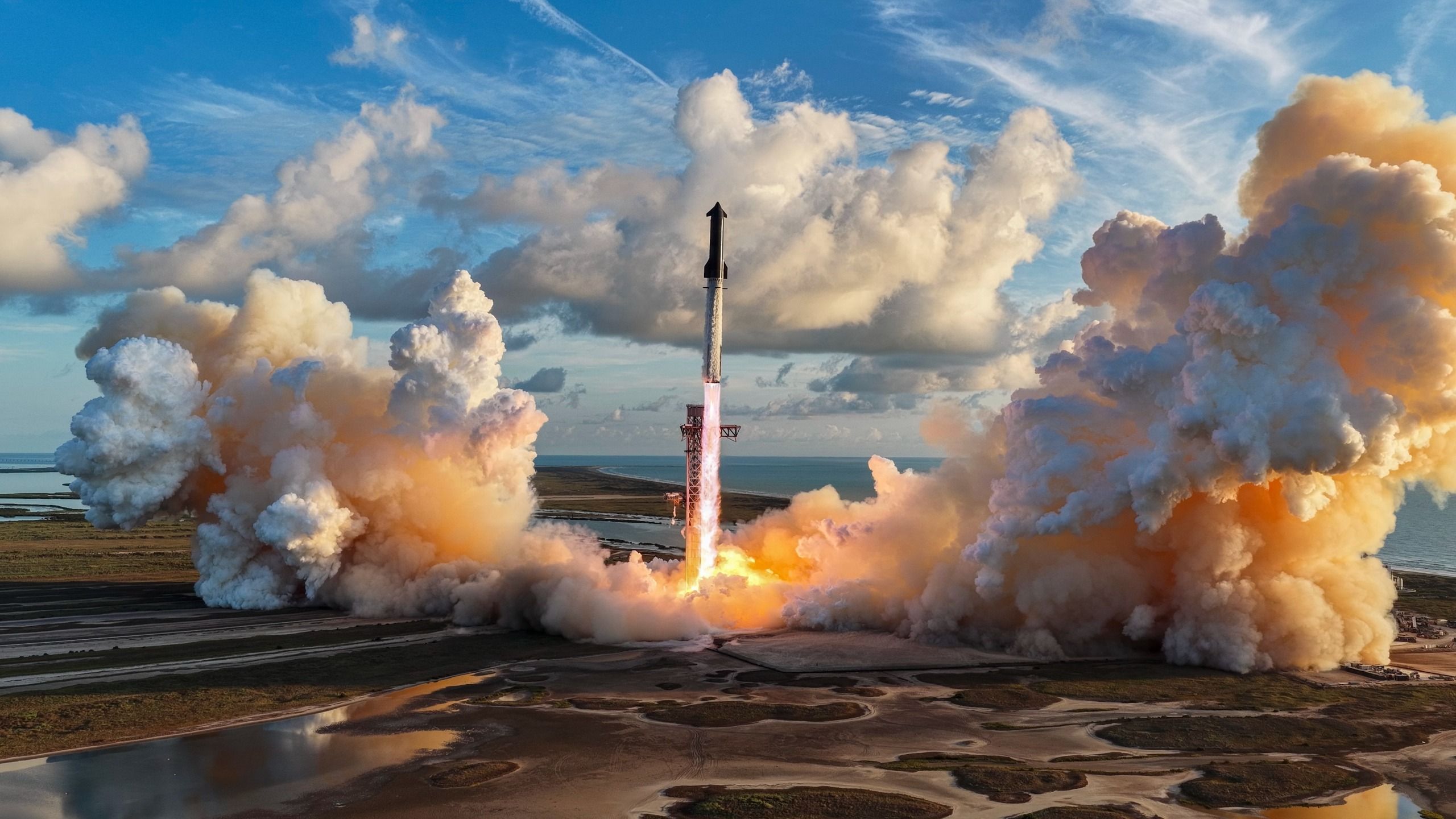
The arrival will complete a two-day-plus orbital pursuit that began with a Falcon 9 launch from Cape Canaveral Space Force Station in Florida on October 13. The mission is SpaceX’s 35th Commercial Resupply Services flight for NASA, part of the cargo program that keeps the station supplied between crewed rotations.
A routine delivery with a precise orbital task
Cargo spacecraft do not simply fly directly to the station. After launch, Dragon was deployed into low Earth orbit by Falcon 9’s upper stage roughly 10 minutes after liftoff. From there, it began a sequence of orbital adjustments designed to bring it into the same vicinity as the station at the right time and speed.
The target is moving around Earth at orbital velocity, so the spacecraft must close the gap carefully before beginning its final approach. Dragon’s planned docking is a rendezvous rather than a crew handoff: the spacecraft will deliver supplies to the station and later return cargo to Earth.
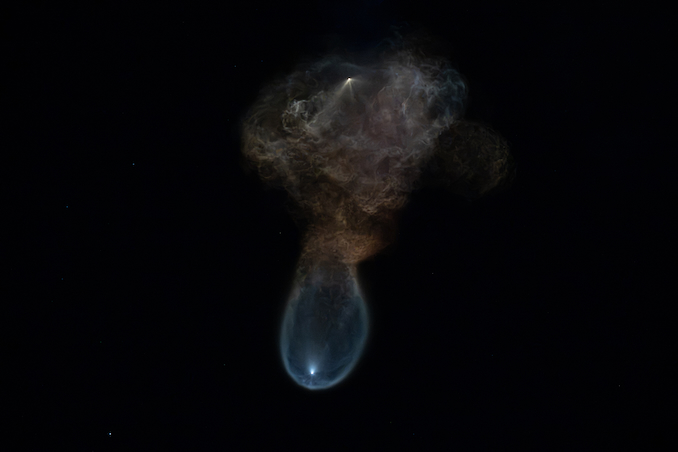
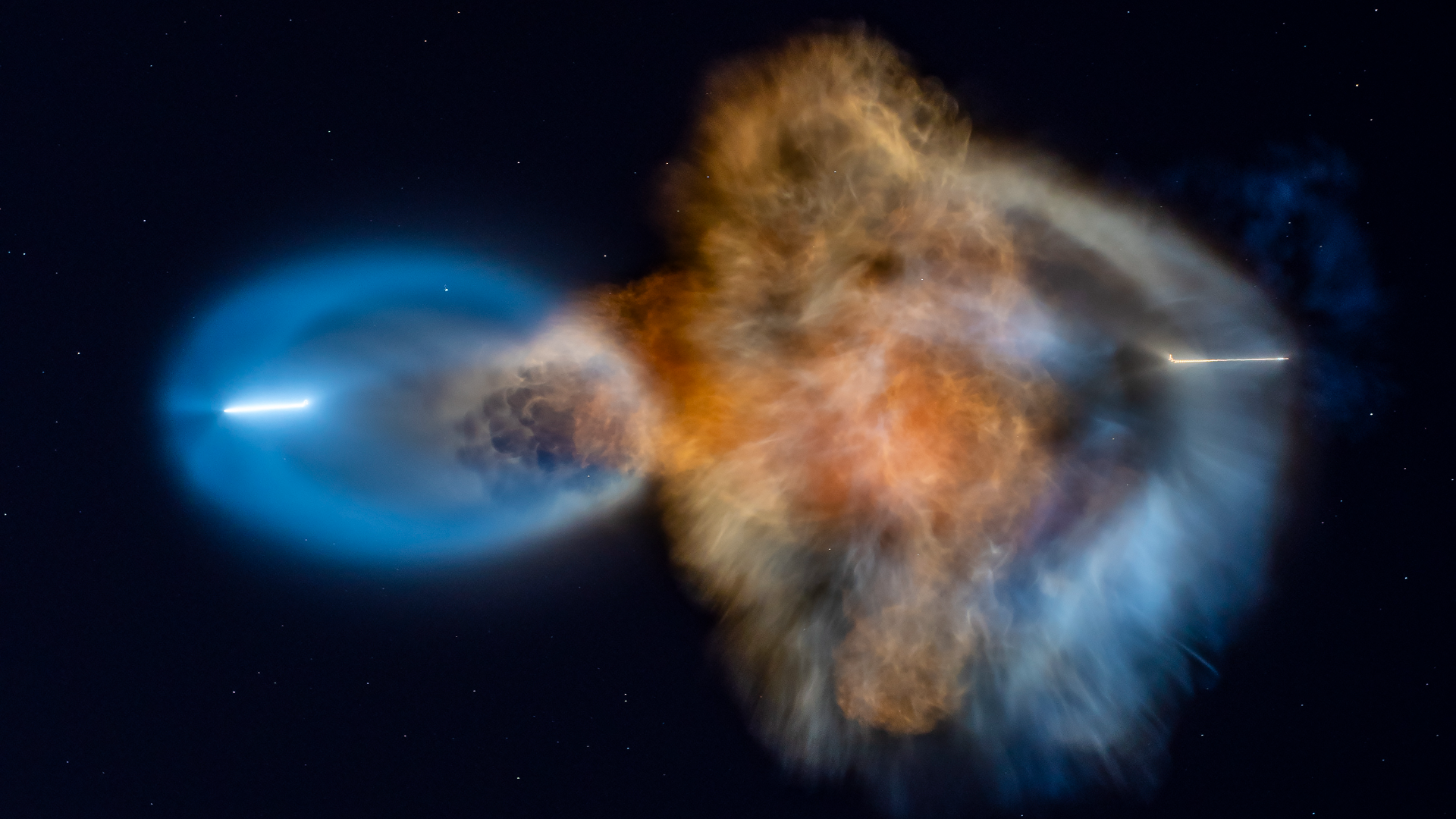
The October 13 launch also drew attention from observers along the U.S. East Coast. The near-dawn ascent and the station’s orbital geometry produced a widely visible exhaust-plume effect often described as a “space jellyfish.” That visual phenomenon was incidental to the mission, but it made an otherwise standard cargo launch conspicuous far beyond the launch site.
Supporting the station’s newest crew
The supplies on CRS-35 are intended largely to support the newest long-duration residents of the ISS: the four astronauts of SpaceX’s Crew-13 mission for NASA. That crew arrived at the station on October 1, replacing Crew-12, whose members returned to Earth a week later after nearly eight months in orbit.
Resupply flights are central to the station’s operating rhythm. They provide consumables for the crew, but they also bring the materials and equipment needed to sustain scientific work in microgravity. Fresh food and long-duration provisions matter for daily life aboard the orbital laboratory, while research hardware and other cargo enable experiments and maintenance activities that cannot wait for a crewed flight.
The cadence is particularly important during a crew transition. A newly arrived team inherits ongoing experiments, station systems and a tightly managed inventory of food, supplies and equipment. Cargo arrivals help replenish that inventory and give mission planners flexibility in scheduling scientific operations.
What to watch during the approach
NASA plans to carry the Dragon rendezvous and docking live, with the coverage made available through the agency and carried by Space.com. The live sequence will show whether the spacecraft reaches the station on its planned schedule and completes the final docking operation normally.
CRS-35 illustrates the mature but still demanding nature of commercial cargo operations in low Earth orbit. Falcon 9 provides the launch capability, while Dragon is designed to transport pressurized cargo to the station. Together, they form one element of NASA’s broader approach to relying on commercial spacecraft for routine transportation to and from the ISS.
For the station crew, the significance is practical: the Dragon’s arrival adds food, provisions, research items and hardware to the outpost. For NASA and SpaceX, a successful docking would add another completed delivery to the Commercial Resupply Services program and maintain the flow of supplies required for continuous human presence in orbit.
Mission timeline
- October 13: CRS-35 launched from Cape Canaveral Space Force Station aboard a Falcon 9.
- October 15, 9:15 a.m. EDT: NASA’s planned coverage of Dragon’s arrival begins.
- October 15, about 11 a.m. EDT: Dragon is scheduled to dock with the International Space Station.
Docking remains the immediate milestone. Once attached, the cargo Dragon will become a temporary extension of the station, allowing the crew to begin receiving the supplies that arrived after its orbital chase.
This article is based on reporting by Space.com. Read the original article.

Originally published on space.com