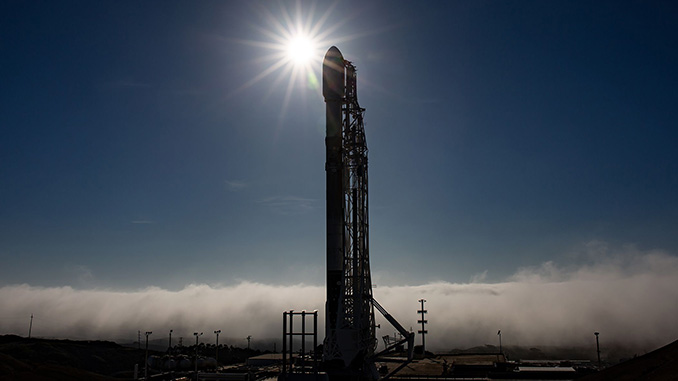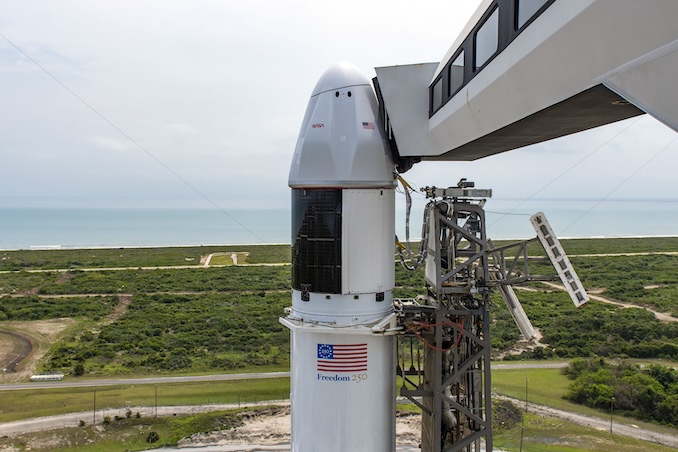
The mission is back on the pad after a disrupted week
SpaceX is preparing for another attempt to send a Cargo Dragon spacecraft to the International Space Station after two earlier delays caused by poor weather in central Florida. The mission, identified in the source text as SpaceX’s 34th resupply flight for NASA under Commercial Resupply Services contracts, is carrying 6,500 pounds of science and supplies.
The latest launch attempt is scheduled for 6:05 p.m. EDT on Friday from Space Launch Complex 40 at Cape Canaveral Space Force Station. If it lifts off on time, the flight will resume a cadence that weather repeatedly interrupted earlier in the week. Tuesday’s attempt was scrubbed by conditions, and Wednesday’s countdown reached T-28 seconds before the launch director called a hold because of lightning-triggering anvil clouds near the pad.
Why this flight stands out even before liftoff
Resupply missions to the station are routine in one sense and remarkable in another. They are now a normal part of orbital logistics, yet each one reflects how far reusable launch and spacecraft systems have matured. This mission offers a particularly clear example of that trend.
The source text says the Falcon 9 first stage assigned to the launch is booster B1096, flying for the sixth time. Its previous missions include NASA’s IMAP, GPS III-9, NROL-77, Kuiper Falcon 01, and Starlink Group 6-87. The Cargo Dragon spacecraft, serial number C209, is also on its sixth flight. That makes it the first Cargo Dragon ever to launch for a sixth time, and only the second Dragon-2 vehicle overall to reach that mark, after Crew Dragon Endeavour.
Those milestones are easy to overlook because reflight has become expected, but they signal a real operational shift. Space hardware that once would have been treated as largely one-use is now being cycled through missions repeatedly enough that “sixth flight” no longer sounds exotic. For NASA’s station supply chain, that matters because reliability is no longer measured only by successful launches. It is measured by the repeatability of vehicles and boosters that return to service again and again.

The route to orbit and the return to land
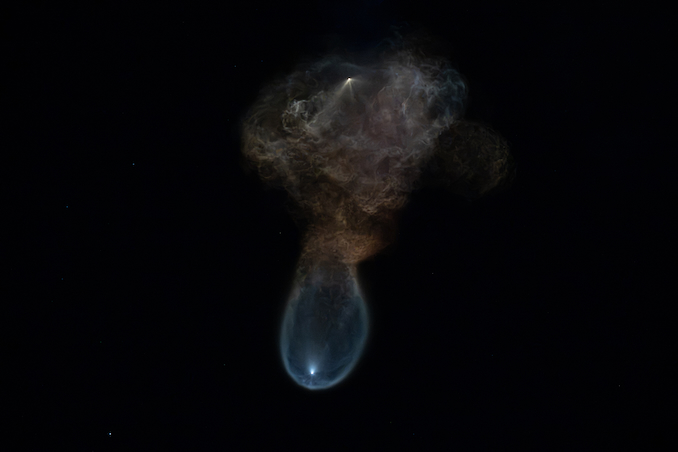
After liftoff, the Falcon 9 is set to fly on a northeasterly trajectory to begin the rendezvous sequence with the station. Less than eight minutes into flight, the first stage is expected to return for touchdown at Landing Zone 40, adjacent to the launch site. According to the source text, that would be the fourth booster recovery at this location and the 108th onshore landing across the pads SpaceX has used since 2015.
The Dragon itself is expected to separate from the second stage about 9.5 minutes into the mission. From there it begins a roughly 37-hour orbital chase, with docking at the station scheduled for about 6:59 a.m. EDT on Sunday, May 17.
That timeline underscores how compressed and choreographed modern station logistics have become. A launch window missed by weather on one day can still lead to a spacecraft docking with an orbiting laboratory less than two days after a successful departure. The system is robust, but it remains exposed to Earthbound realities like cloud rules, anvil conditions, and the need to reload late-load items with short shelf lives.
Weather remains the gatekeeper
The source text says high pressure building over central Florida improved the outlook for the Friday attempt, with forecasters calling for a 90% chance of acceptable weather. Only a small risk of violating the cumulus cloud rule remained. That improvement is the immediate reason the mission is back in play.
Still, the week’s earlier scrubs are a reminder that even a highly mature launch provider works within strict environmental constraints. The countdown on Wednesday got to within seconds of flight and still stopped. That is not failure. It is the operational reality of launch safety, especially when lightning criteria are involved.
A routine mission that still marks progress
At one level, CRS-34 is exactly what it appears to be: another cargo run to the International Space Station. At another, it is a visible marker of the current phase of American space operations, in which repeat-use vehicles, precise logistics, and weather-driven launch discipline all coexist in a highly practiced system.
If the mission launches as planned, it will deliver research and supplies, add another reuse milestone for both booster and spacecraft, and continue a model of orbital resupply that is now deeply integrated into NASA operations. That makes the flight worth watching not because it is unusual, but because it shows how much of spaceflight is now defined by repeatability under pressure.
This article is based on reporting by Spaceflight Now. Read the original article.
Originally published on spaceflightnow.com