SpaceX prepares next AST SpaceMobile satellite launch
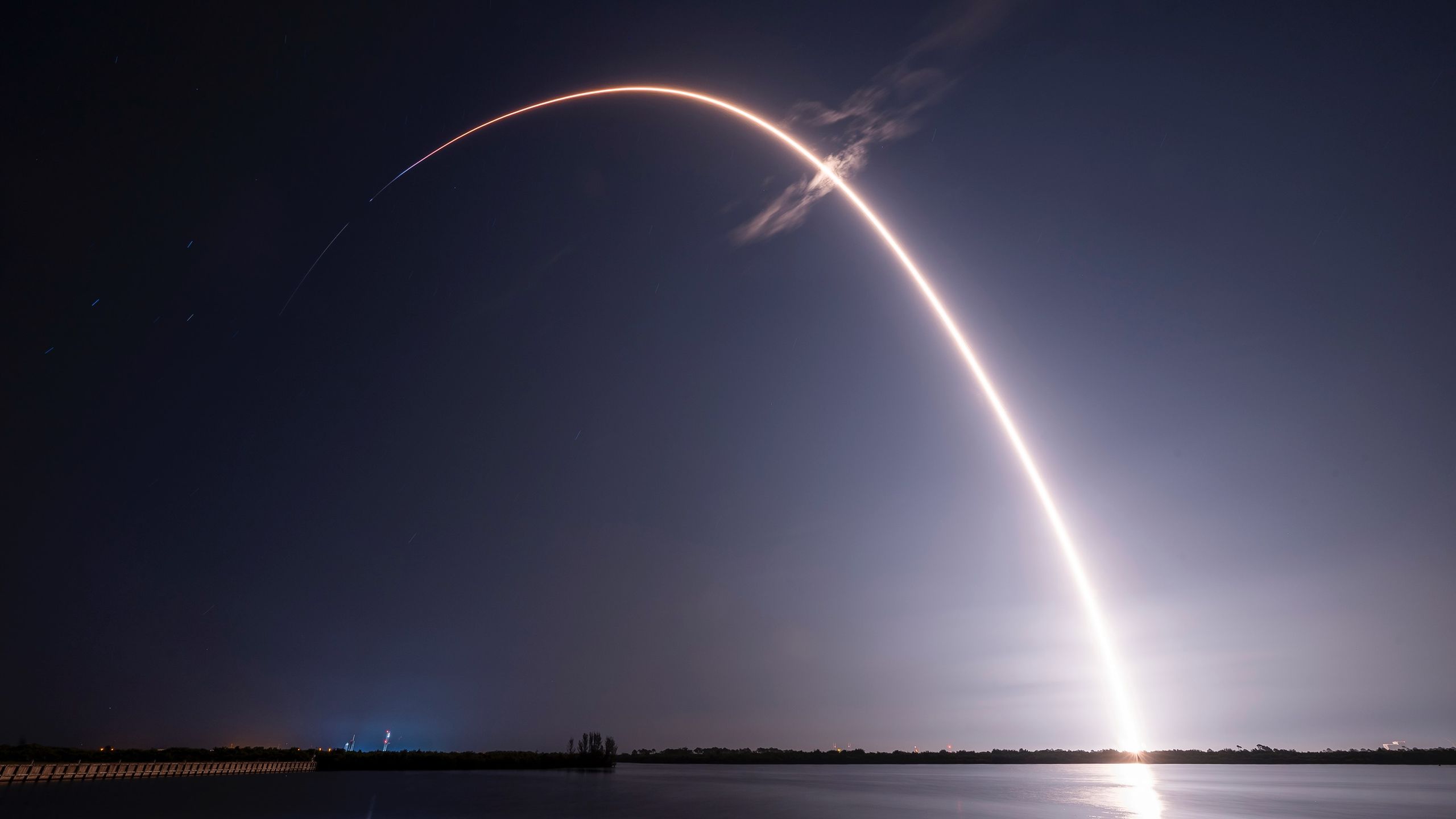
SpaceX is scheduled to send another three AST SpaceMobile satellites into orbit in the early hours of August 5, marking the latest step in the buildout of a direct-to-device communications constellation. The mission will carry BlueBird satellites 11, 12, and 13 aboard a Falcon 9 rocket launching from Space Launch Complex 40 at Cape Canaveral Space Force Station.
According to mission details published by Spaceflight Now, the launch window opens at 3:42 a.m. EDT, or 0742 UTC. If the mission lifts off on time, it will continue a rapid launch cadence for AST SpaceMobile, coming about a month and a half after the company’s BlueBird 8-10 mission flew on another Falcon 9.
The back-to-back timing matters. Rather than treating each launch as an isolated event, AST SpaceMobile appears to be moving into a more regular deployment rhythm. The company’s satellites are intended to support a space-based cellular broadband system designed to connect directly with standard mobile devices. That makes each launch more than a simple fleet expansion. It is part of a broader attempt to move a still-emerging satellite communications model toward operational scale.
Why this launch stands out
This will be the third SpaceX mission carrying AST SpaceMobile BlueBird satellites to orbit. The repetition itself is notable because it suggests the partnership has moved beyond a one-off demonstration phase and into sustained deployment. AST SpaceMobile CEO Abel Avellan said in late July that the next trio after this mission is already not far behind, and that production is in flow through satellite 42.
That production comment is one of the clearest signs in the source material that the company is planning for volume, not just incremental testing. Avellan also described the satellites as using a lightweight, composite, stackable architecture and said they can be launched in groups of three, five, six, or eight on a single mission. Those manufacturing and launch-density claims point to the company’s larger goal: making a constellation large enough to provide meaningful coverage, while keeping launch economics workable.
The satellites on this flight are described as 2,400 square feet in size once deployed. After separation from the rocket, they are expected to deploy to full size over the course of a couple of weeks and complete checkout procedures before joining the wider constellation. That post-launch period is important because successful insertion into orbit is only the first step. The satellites still need to unfold correctly and pass technical verification before they can contribute to network capability.
Falcon 9 milestone mission
The mission also represents another milestone for SpaceX’s reusable launch system. The company plans to use Falcon 9 booster B1077 for the flight. If it launches successfully, it will become the fifth Falcon booster to reach at least 30 flights, according to the source report. Four of those five boosters would still be in operation, underscoring how central reuse has become to SpaceX’s launch model.
After stage separation, B1077 is scheduled to attempt a landing on the droneship A Shortfall of Gravitas in the Atlantic Ocean a little more than 8.5 minutes after liftoff. A successful recovery would mark the 162nd landing on that vessel and the 645th Falcon booster landing overall.
Those figures are significant because they show how much the operational context of a commercial launch has changed. Reusability is no longer a novelty attached to selected missions; it is the working baseline for a large share of SpaceX flights. That lowers cost pressure for repeat customers and helps support more frequent constellation deployment campaigns such as AST SpaceMobile’s.
Weather and mission profile
Launch conditions appear favorable, though not perfect. The 45th Weather Squadron forecast an 85 percent chance of acceptable weather during the launch window. Meteorologists were tracking possible interference from anvil, thick, and cumulus clouds. Launch weather officers said a weak mid-level low centered over Georgia was expected to dissipate overnight, while lingering influence from that system could still shape low- to mid-level flow during the primary window.
The Falcon 9 will fly on a northeasterly trajectory after leaving the pad. Deployment of the three satellites is expected to begin about 54 minutes after liftoff, with each spacecraft released several minutes apart. That sequence reflects the careful pacing required when placing multiple satellites into orbit on a single mission. Separation timing has to ensure clean deployment and the right geometry for the satellites’ independent orbital operations.
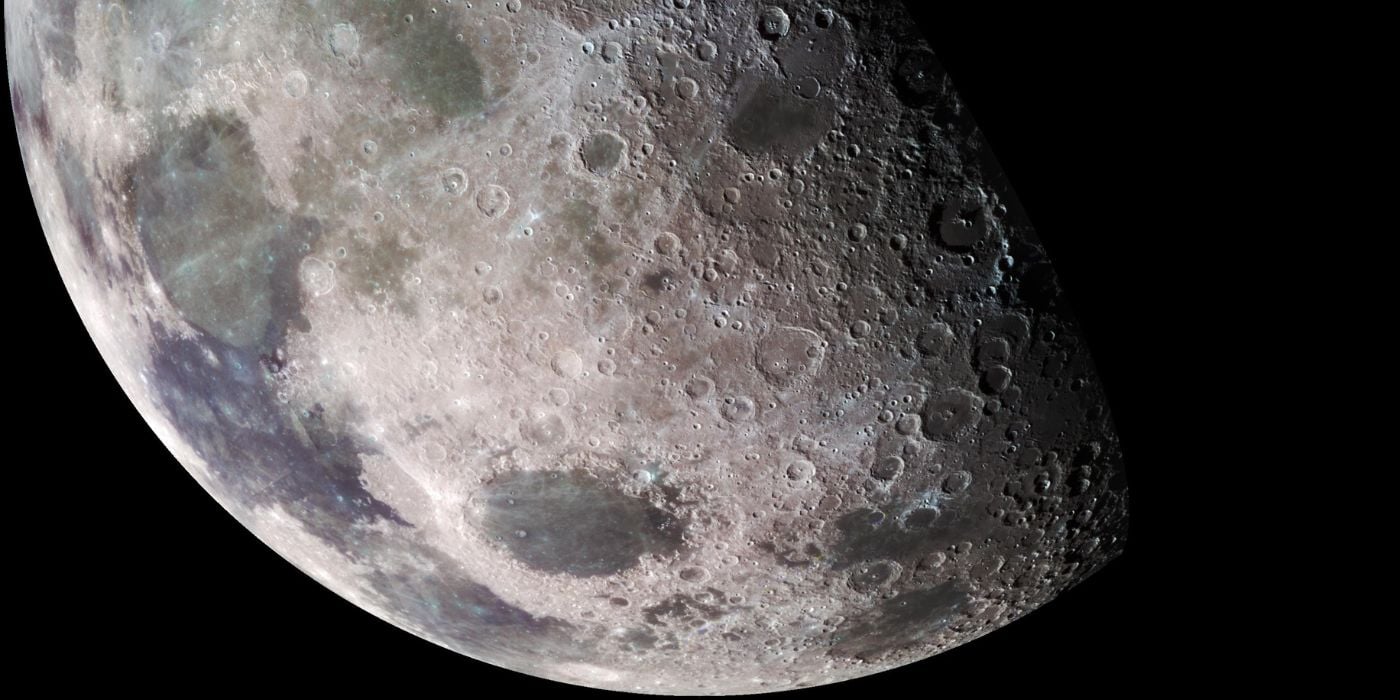
Spaceflight Now also noted that its live coverage would begin earlier than usual in part because of the anticipated impact on the Moon of an unrelated Falcon 9 upper stage. That event is separate from the AST SpaceMobile launch, but it illustrates the increasingly dense and interconnected nature of modern space activity, where even routine mission coverage now unfolds against a backdrop of multiple overlapping operations.

A bigger test for direct-to-device space networks
The broader significance of the mission lies in what the BlueBird constellation is meant to enable. Direct-to-device communications has become one of the most closely watched segments of the satellite industry because it aims to extend connectivity without requiring users to carry dedicated satellite terminals. If that model proves reliable at scale, it could reshape how mobile coverage gaps are addressed, especially in remote or underserved areas.
The source material does not claim immediate global capability from this launch alone, and it does not provide service timelines tied to BlueBird 11 through 13. But it does show that AST SpaceMobile is adding spacecraft in steady increments and already looking ahead to later production batches. That combination of near-term deployment and longer pipeline visibility is one of the clearest markers that the company is pushing from demonstration toward network formation.
For SpaceX, the mission is another example of how Falcon 9 has become a workhorse for constellation deployment. For AST SpaceMobile, it is a progress checkpoint with little room for complacency. Getting three more satellites to orbit matters, but so does what happens in the weeks after launch, when deployment and checkout determine whether the spacecraft can actually strengthen the constellation.
If the mission proceeds as planned, August 5 will add another three BlueBird satellites to the growing architecture behind AST SpaceMobile’s direct-to-device ambitions. The launch may look routine by SpaceX standards, but for the communications market it is another concrete sign that satellite-to-phone connectivity is moving deeper into its buildout phase.
This article is based on reporting by Spaceflight Now. Read the original article.
Originally published on spaceflightnow.com