The next space-policy argument is moving into the atmosphere
Satellite megaconstellations have already triggered disputes over orbital crowding, collision risk, astronomy, and reentry pollution. A new paper discussed by Universe Today adds another dimension: climate effects from the launches needed to place those systems in orbit.
The core point is not that rockets are suddenly the dominant force in atmospheric change. The paper, as summarized in the source text, says rocket launches account for only a small share of ozone depletion, around 0.02%. But that relatively small contribution does not end the story, because the chemistry and physics of high-altitude emissions differ from pollution released near the ground.
Why megaconstellations change the equation
Satellite megaconstellations are expanding rapidly, and with that growth they are consuming a larger share of launch capacity. The paper argues that by the end of the decade, launches serving megaconstellations could account for up to 42% of the space launch industry’s overall climate impact.
That figure is striking not because megaconstellation launches go especially far. The source notes the opposite: because many of these satellites occupy relatively low orbits, they need less propellant than deep-space missions or very high-orbit launches. The issue is the sheer frequency and scale of deployment.
In other words, the climate concern is cumulative. A large number of individually ordinary launches can add up to a meaningful atmospheric footprint when a business model depends on thousands of satellites, replenishment cycles, and repeated launches over many years.

The soot problem
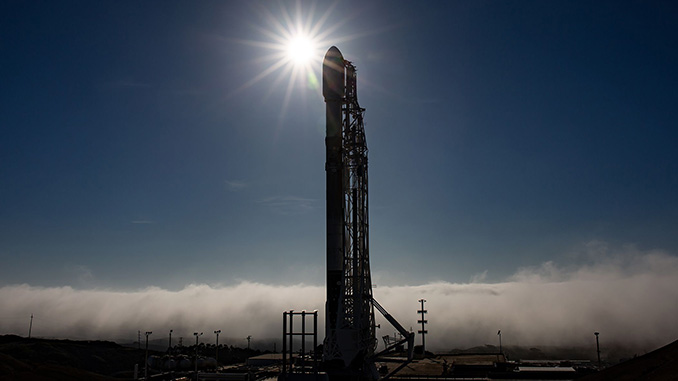
The source text identifies soot as the central concern for kerosene-fueled launches such as Falcon 9 missions. Chlorine emissions from some traditional rocket systems are known ozone threats, but the paper says Falcon 9 emits hardly any chlorine because it uses kerosene. That sounds like good news until the soot issue enters.
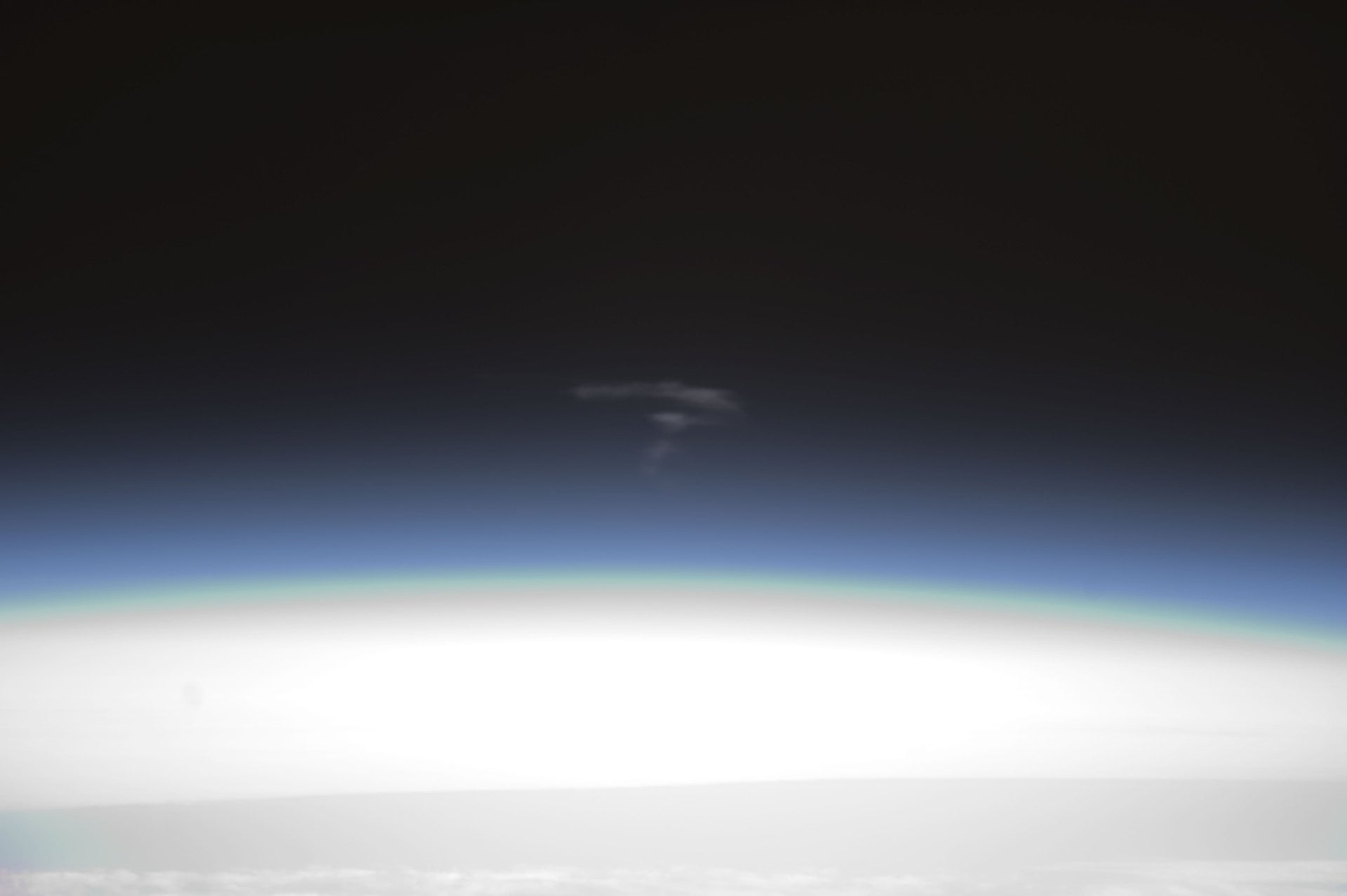
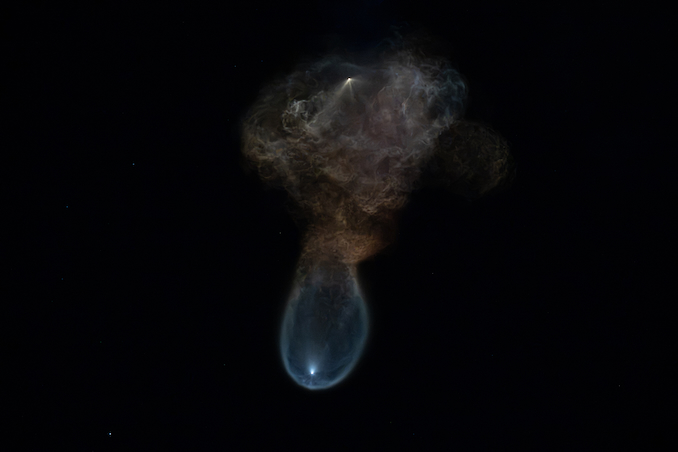
Soot released at ground level is usually washed out of the atmosphere relatively quickly. Soot injected into the stratosphere by rockets can persist much longer, with the paper putting that timescale at up to four years. Persistence changes everything. A pollutant that lingers aloft can alter radiative balance in ways that are harder to model and potentially more consequential than its raw mass might suggest.
The article describes a complicated effect: black particles in the upper atmosphere may block some sunlight, cooling the lower atmosphere while heating the upper atmosphere. That is not a simple environmental win. Changing temperature structure at altitude can interact with atmospheric chemistry and circulation in ways policymakers are still struggling to understand.
Accidental geoengineering is the wrong kind of experiment
The phrase “accidentally geoengineering the Earth” is provocative, but it captures the policy problem well. Humanity is not intentionally designing the stratosphere through a coordinated scientific program here. It is potentially altering it as a side effect of commercial launch growth.
That distinction matters because unintended climate intervention is harder to govern than deliberate intervention. No single launch is likely to define the outcome. The effect would emerge from repeated operations spread across years, countries, companies, and vehicle types. By the time the impact is measured clearly, the operational system causing it could already be deeply entrenched.
What this means for space policy
The strongest takeaway from the paper is not that megaconstellations should stop. It is that launch emissions deserve a larger place in space-policy discussions that have been dominated by orbit management and telescope interference. Cleanliness in space is not only about avoiding debris. It is also about understanding the atmospheric cost of building orbital infrastructure at industrial scale.
If launch demand keeps rising, regulators and industry will face harder questions about propellants, engine design, launch frequency, and lifecycle accounting. The space economy is becoming more terrestrial in one important sense: its environmental externalities can no longer be treated as negligible simply because they happen above us.
- A new paper says megaconstellation launches could account for up to 42% of launch-industry climate impact by decade’s end.
- The main concern highlighted is long-lived soot in the stratosphere from kerosene-fueled rockets.
- The policy issue is whether rapid launch growth is creating unintended atmospheric effects at scale.
This article is based on reporting by Universe Today. Read the original article.
Originally published on universetoday.com