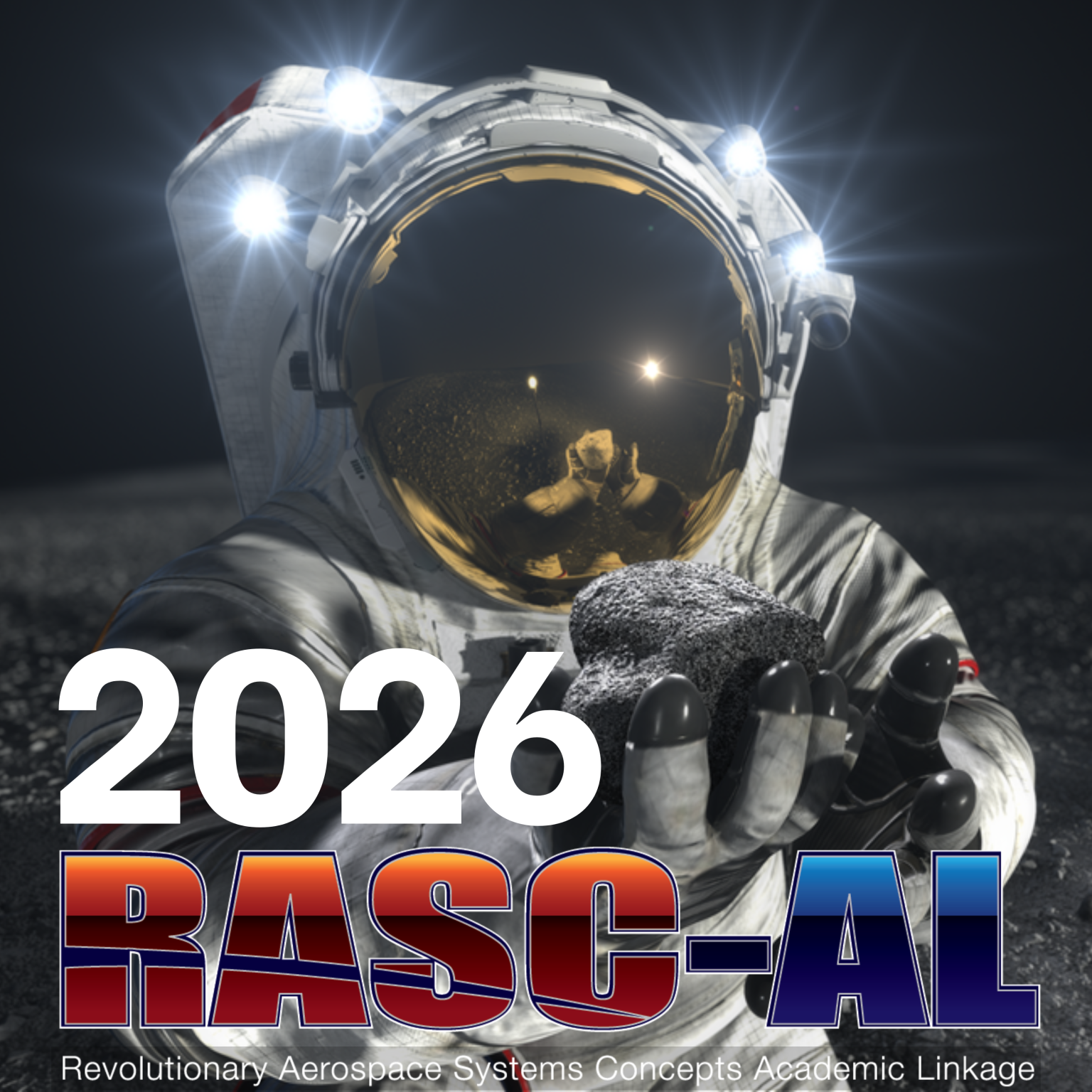
The Competition That Shapes Real Missions
NASA's Revolutionary Aerospace Systems Concepts – Academic Linkage competition has been one of the agency's most effective pipelines for translating university engineering talent into practical mission concepts. The 2026 edition has selected 14 finalist teams from institutions including MIT, Texas A&M, Dartmouth, the University of Michigan, and the University of Hawaii — tasking them with designing concepts that directly address challenges NASA faces in executing the Artemis program's long-term lunar and Mars exploration agenda.
The design challenges this year are not theoretical. They map directly onto capability gaps NASA's mission planners have identified as critical to sustaining human presence on the Moon and extending it to Mars: communications and navigation infrastructure for Mars surface operations, power generation and distribution for the lunar surface, lunar sample return architectures, and technology demonstrations leveraging common Artemis infrastructure.
The Four Challenge Categories
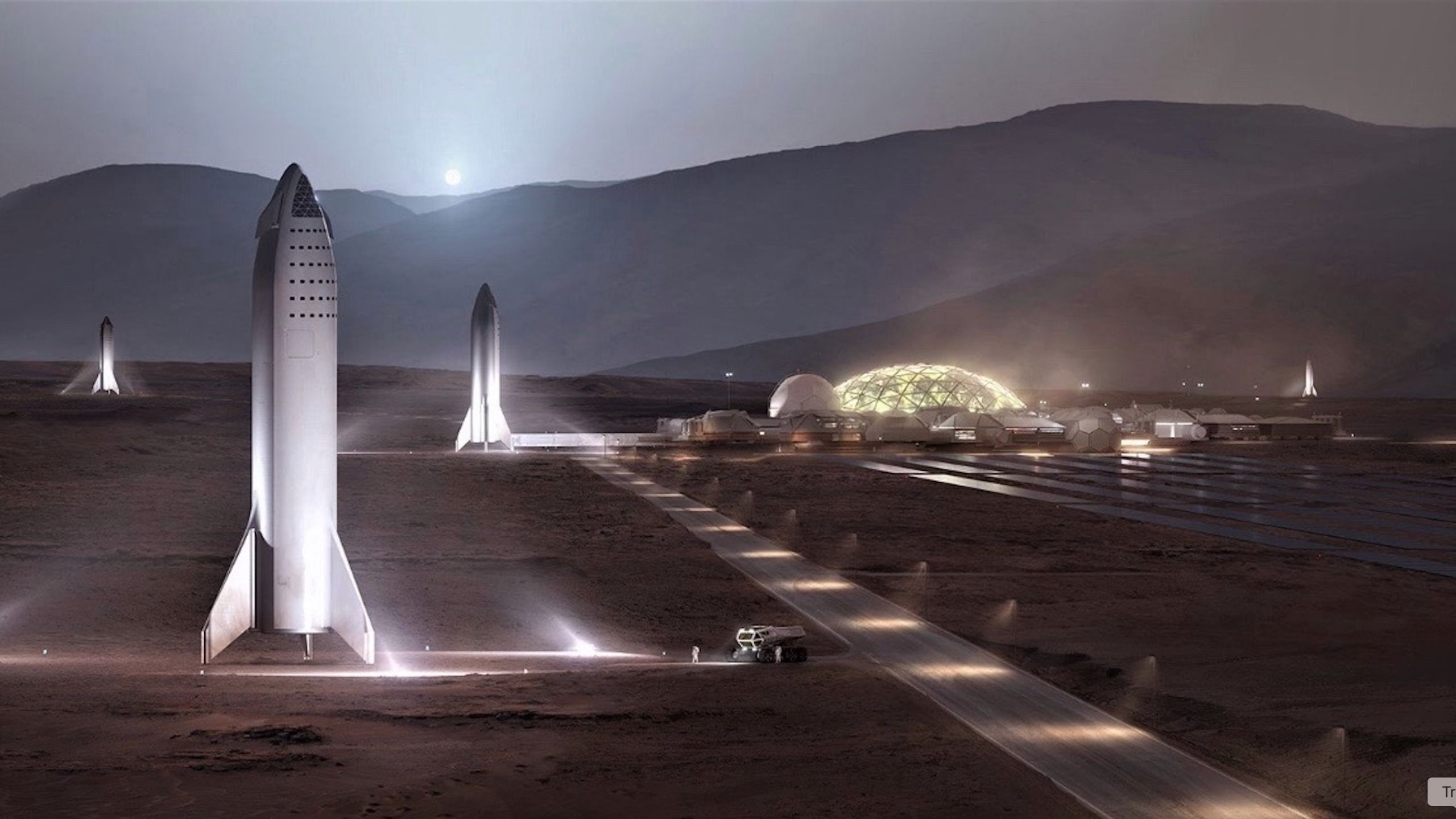
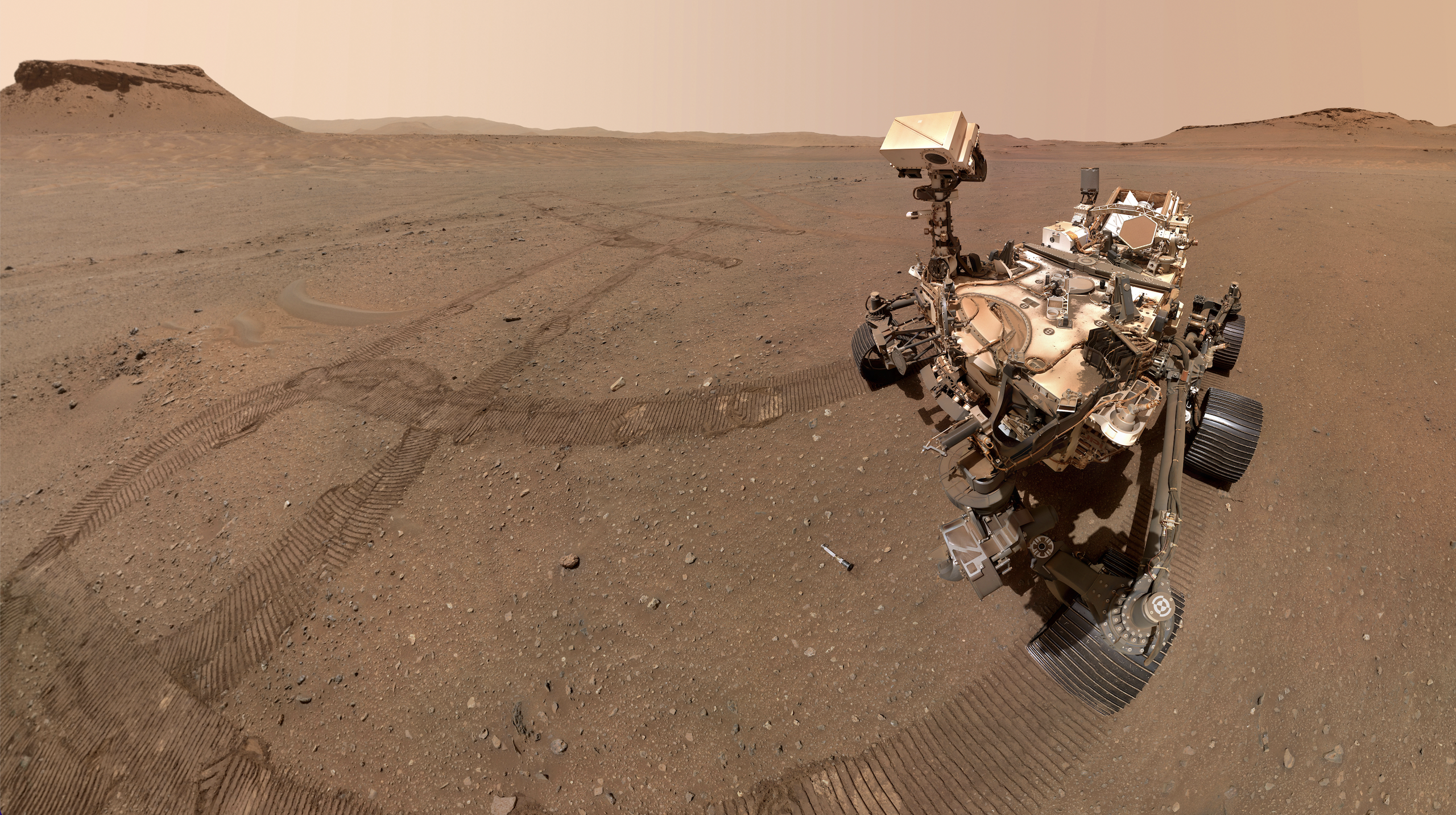
The communications, position, navigation, and time challenge asks teams to design infrastructure allowing astronauts and robotic systems on the Martian surface to stay connected to Earth and to each other. Mars presents extreme challenges: signal travel times of 4 to 24 minutes each way rule out real-time control from Earth, and terrain and dust storms create challenging propagation environments. MIT's MELIORA concept, the University of Texas Austin's Project Pharos, and Virginia Tech's Mars Pylon Network represent three different architectural approaches to this fundamental problem.
The lunar power challenge addresses what NASA describes as one of the most critical infrastructure requirements for sustained lunar operations. The Moon's 14-day night cycle creates an energy storage challenge at a scale no existing technology was designed to meet. Dartmouth's FLORA concept uses flywheel energy storage, MIT's ECLIPSE proposes an integrated power system, and teams from Embry-Riddle and the University of Hawaii have developed their own approaches. Without adequate power generation and storage, all other lunar surface activities become impossible.
Sample Return and Technology Demonstrations
The lunar sample return challenge reflects a capability NASA views as increasingly important for both scientific and commercial reasons. As the Artemis program matures and the agency explores harvesting lunar resources like water ice from permanently shadowed craters, reliable sample collection, packaging, and return becomes a core operational capability. South Dakota State University's SELENE, Texas A&M's NOVA, and the University of Michigan's LASSO each address this challenge from different engineering starting points.
The technology demonstrations category asks teams to design experiments runnable on the lunar surface using already-present Artemis infrastructure, rather than requiring dedicated new systems. This category implicitly acknowledges NASA's resource constraints and asks student engineers to think creatively about demonstrating new capabilities within existing operational contexts — a practical engineering discipline that mirrors real mission design challenges.
From Classroom to Mission Architecture
The RASC-AL competition's value to NASA extends beyond any individual concept the teams produce. The agency views it as a workforce development pipeline, exposing the next generation of aerospace engineers to the specific systems engineering, mission design, and technical communication challenges that NASA's own engineers grapple with daily. Teams advancing to the June forum in Cocoa Beach, Florida will present to NASA leadership and industry professionals — a professional experience few academic programs can replicate.
"The innovation and technical depth demonstrated this year are exemplary of the next generation of aerospace leaders," said Daniel Mazanek, RASC-AL program sponsor at NASA Langley Research Center. "The strongest teams demonstrated not only creativity, but also the disciplined analysis and systems engineering required to develop credible solutions for space exploration challenges facing the agency." Some RASC-AL concepts from previous years have influenced actual mission designs, and the program represents a bet that the best ideas for solving hard engineering problems are not always found inside NASA headquarters.
This article is based on reporting by NASA. Read the original article.
Originally published on nasa.gov