NASA is moving a critical fuel-handling problem into orbit
NASA and industry partner Eta Space are preparing an in-orbit demonstration that targets one of the less glamorous but more essential problems in deep-space exploration: how to store, measure, manage, and transfer super-cold propellants in microgravity without losing too much of them along the way.
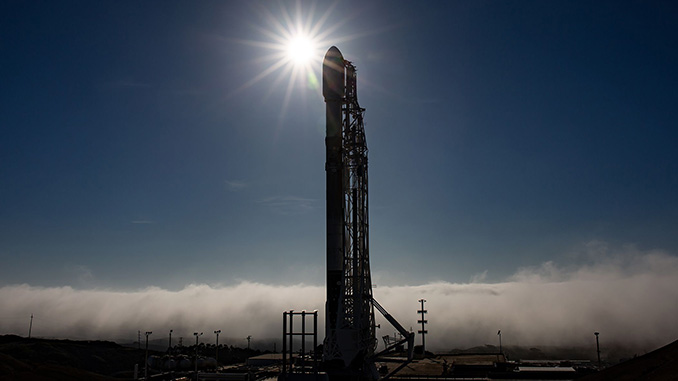
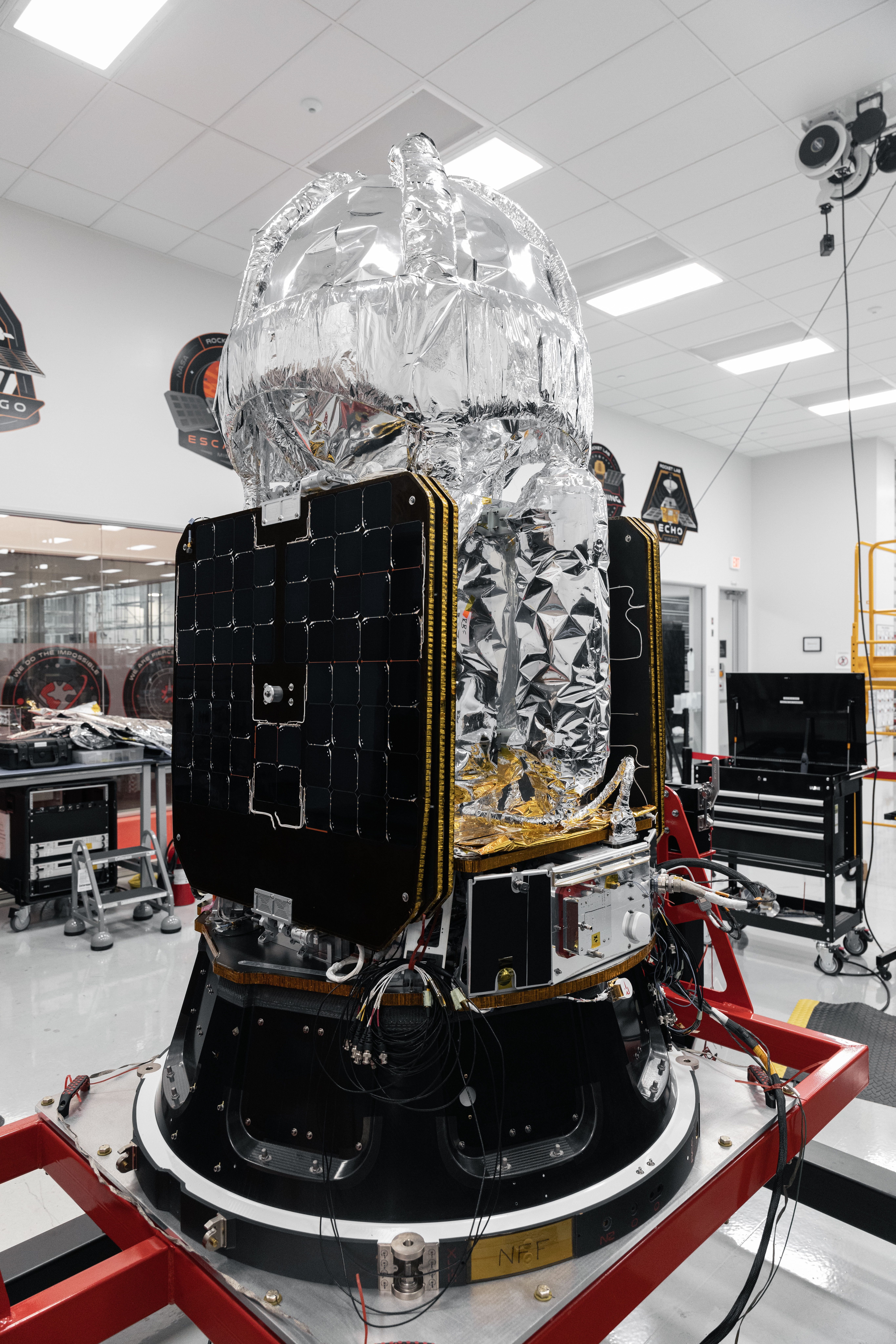
The mission, called the Liquid Oxygen Flight Demonstration or LOXSAT, is scheduled to launch no earlier than July 17 aboard Rocket Lab’s Electron rocket from Launch Complex 1 on New Zealand’s Mahia Peninsula. Rocket Lab is providing both the launch and the Photon satellite bus that carries the payload.
Why cryogenic propellant matters
Deep-space missions increasingly depend on propellants such as liquid oxygen that must be kept at extremely low temperatures. On Earth, handling those fluids is difficult enough. In space, microgravity adds a separate set of challenges: boiloff, pressure control, fluid transfer, and accurate gauging all become harder when the fuel does not settle naturally in a tank.
That problem has major strategic implications. If cryogenic propellants can be managed reliably in orbit, it becomes much easier to imagine fuel depots in space, essentially orbital refueling stations that can support missions to the Moon, Mars, and beyond. Instead of launching every vehicle with all of its fuel from the ground, future architectures could rely more on staged refueling and reusable transport concepts.

What LOXSAT will test
During its nine-month mission, LOXSAT is expected to demonstrate 11 cryogenic fluid management technologies. NASA said those technologies were selected to address the core operational problems of using super-cold propellants in space, including reducing boiloff, transferring propellant, maintaining tank pressure, and gauging fuel levels.
That list is important because each item represents a separate failure point for long-duration exploration systems. A depot is only useful if the stored propellant remains usable. A transfer system is only valuable if mission planners can trust their measurements. In this sense, LOXSAT is not one experiment so much as a bundled test of enabling infrastructure.
The payload was built by Eta Space as part of a NASA Tipping Point opportunity and has already been integrated with Rocket Lab’s Photon bus. NASA’s cryogenic fluid management team, with personnel from Marshall, Glenn, and Kennedy, toured the production complex earlier this year as testing moved forward.
A mission about logistics, not spectacle
LOXSAT is not the kind of mission that naturally draws public excitement. There are no astronauts aboard, no planetary landing, and no dramatic imagery promised in the mission profile. But its significance may outlast flashier milestones. Space exploration repeatedly runs into the same hard constraint: mass launched from Earth is expensive, and mission flexibility is limited when every kilogram must be carried from the start.
Orbital propellant management is one of the technologies that could loosen that constraint. If successful, LOXSAT would provide data that supports the design of future refueling architectures rather than simply theorizing about them.
Why this timing matters
NASA’s broader exploration goals increasingly depend on systems that can operate beyond short, direct missions. Sustained lunar activity, more capable cargo operations, and eventual Mars planning all benefit from the ability to store and move cryogenic fuel in space. That makes LOXSAT part of a longer campaign to solve the practical engineering behind those ambitions.
It is also a reminder that exploration capacity is often built by incremental demonstrations. Before there can be a depot, there has to be evidence that a depot can function. Before missions can rely on orbital refueling, the basic handling technologies need to work under real flight conditions.
If LOXSAT performs as planned, it will not create a propellant depot overnight. It will do something almost as important: reduce uncertainty around the building blocks. In a field where logistics often determine what missions are possible, that is the kind of progress that can quietly reshape the map.
This article is based on reporting by NASA. Read the original article.
Originally published on nasa.gov