Mission Overview
NASA will host an audio-only media teleconference at 11 a.m. EDT on Wednesday, June 17, to preview the Katalyst Space mission aimed at boosting the orbit of NASA's Neil Gehrels Swift Observatory. The mission, which leverages Katalyst's robotic servicing spacecraft called LINK, will attempt to rendezvous with Swift and raise its altitude, thereby extending its science mission lifespan and advancing a key capability for the future of space exploration.
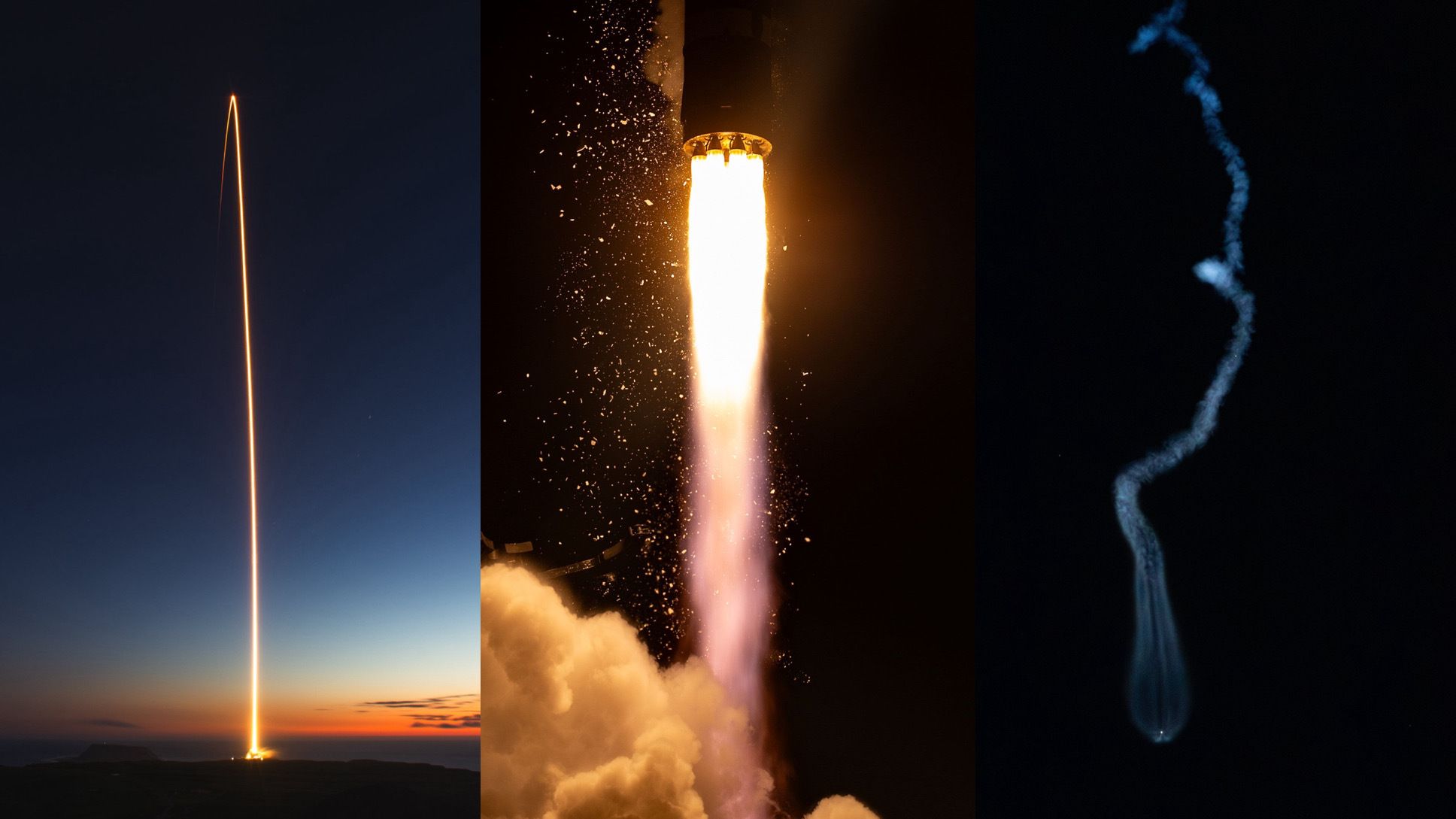
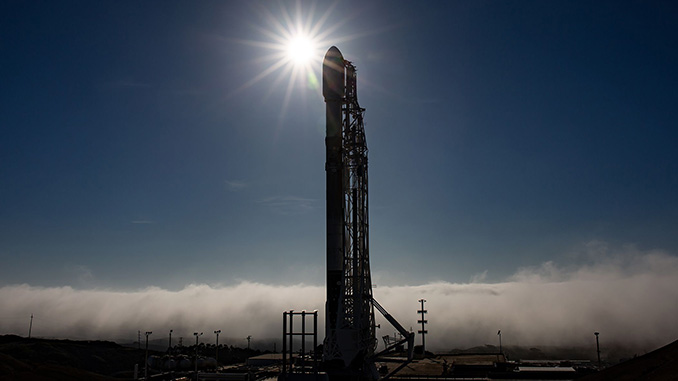
The LINK spacecraft is scheduled to launch on Northrop Grumman's Pegasus XL rocket later this month from Kwajalein Atoll in the Marshall Islands. Media interested in participating by phone must RSVP no later than two hours before the start of the call to Amy Barra at [email protected]. Audio of the media teleconference will stream on the agency's website at https://www.nasa.gov/live.
Participants in the Media Teleconference
The teleconference will feature several key participants, including:
- Shawn Domagal-Goldman, division director, Astrophysics, NASA Headquarters in Washington
- Brad Cenko, principal investigator, Swift, NASA's Goddard Space Flight Center in Greenbelt, Maryland
- Kieran Wilson, principal investigator, LINK, Katalyst Space
- Robert Lamontagne, vice president, strategic partnerships, Katalyst Space
- Wes Collier, vice president, launch systems, Northrop Grumman

The Swift Mission: A Legacy of Discovery
The Swift mission, which launched in 2004, leads NASA's fleet of telescopes in studying changes in the high-energy universe, such as gamma-ray bursts—the most powerful explosions in the cosmos. When a rapid, sudden event occurs in the sky, Swift serves as a "dispatcher," providing critical information that allows other "first responder" missions to follow up and learn more about how the universe works.
After 21 years in space, Swift's low Earth orbit has begun to rapidly decay due to increased solar activity. Rather than allowing the observatory to re-enter Earth's atmosphere, as many missions do at the end of their lifetimes, NASA is using this opportunity to advance U.S. spacecraft servicing technology.
The Katalyst LINK Mission
In September 2025, NASA awarded a contract to Katalyst Space to mount a robotic servicing mission for Swift in less than a year. The mission will use LINK to rendezvous with Swift and boost it to a higher altitude, demonstrating a key capability for the future of space exploration. The mission is targeted for launch in June from Kwajalein Atoll in the Marshall Islands.
The LINK robotic servicing satellite was encapsulated inside a Northrop Grumman Pegasus XL on June 8, 2026, at NASA's Wallops Flight Facility in Virginia. The rocket will carry LINK to space for the attempted orbital boost of Swift.
Significance for Space Exploration
This mission represents a critical step in developing in-orbit servicing capabilities, which could extend the life of valuable scientific assets and reduce space debris. By successfully boosting Swift's orbit, NASA and Katalyst Space will demonstrate that robotic servicing can be a viable option for maintaining and enhancing spacecraft operations.
The technology developed for this mission could have broader applications, including servicing other satellites, refueling, and even assembling large structures in space. As space activities increase, the ability to service and upgrade spacecraft in orbit becomes increasingly important.
Looking Ahead
The media teleconference on June 17 will provide more details about the mission's objectives, timeline, and expected outcomes. With Swift's continued operation, scientists will be able to maintain their watch on the high-energy universe, capturing gamma-ray bursts and other transient events that help unravel the mysteries of the cosmos.
As NASA and its partners push the boundaries of what is possible in space, the Katalyst mission serves as a prime example of how innovative partnerships can extend the life of existing assets and pave the way for future exploration.
This article is based on reporting by NASA. Read the original article.
Originally published on nasa.gov