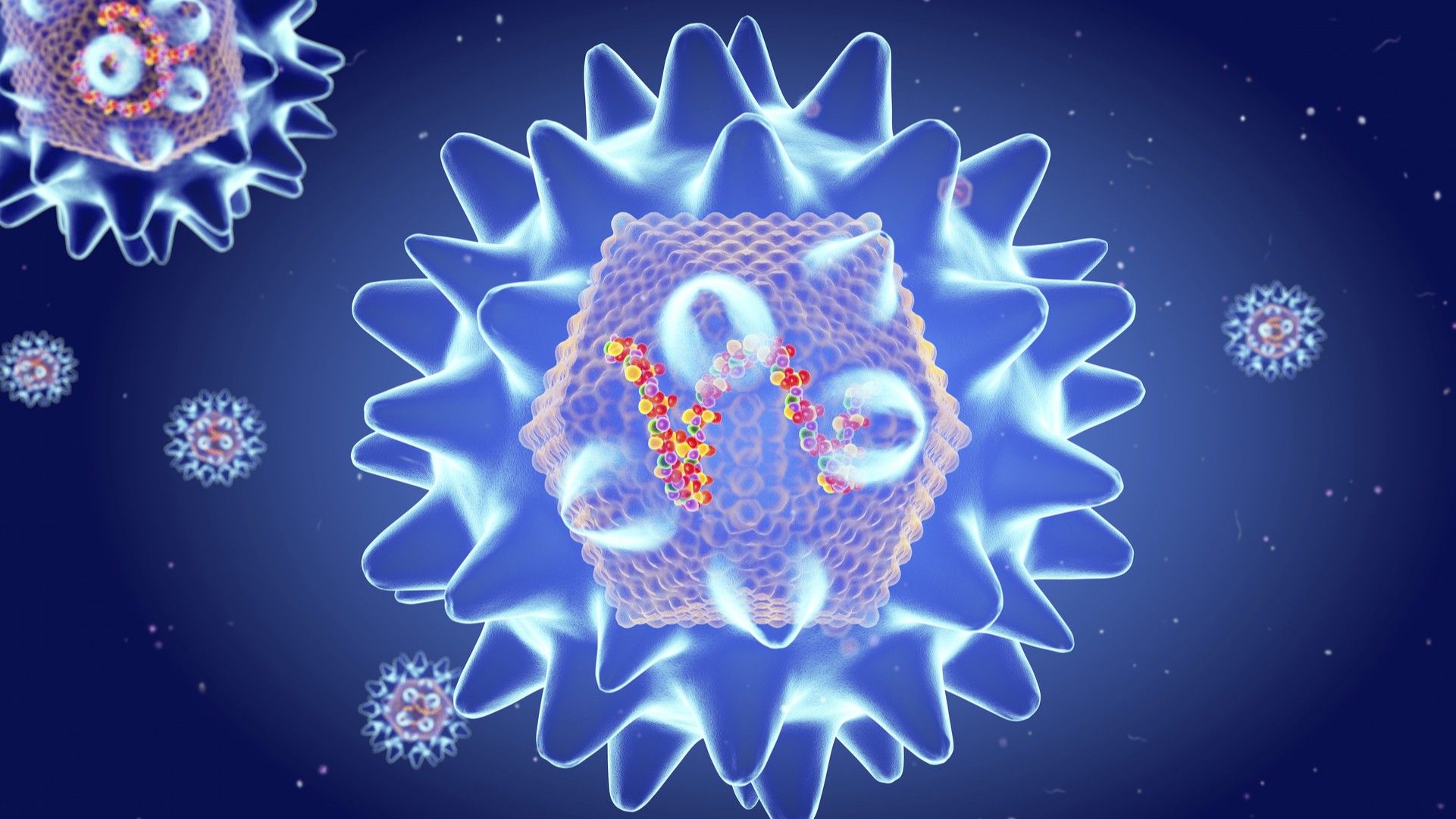
A deadly cluster has triggered urgent questions
A cluster of hantavirus illness linked to a cruise ship in the Atlantic Ocean has prompted international concern after the World Health Organization said one confirmed and five suspected infections were identified among passengers. Of the six affected people, three have died and one is in intensive medical care, according to a May 3 WHO statement cited in the report.
The situation is still developing, and several details remain unresolved, including the specific hantavirus involved. Even so, the event stands out because hantavirus infections are rare, severe, and often poorly understood outside medical and public health circles. A suspected cluster in the confined and highly managed environment of a cruise ship is likely to intensify scrutiny over how exposure occurred, how quickly symptoms were recognized, and what health authorities can infer before laboratory confirmation is complete.
What hantaviruses are and how people get infected
Hantaviruses are a family of viruses typically carried by rodents. People are generally infected through exposure to the urine, droppings, or saliva of infected animals, and more rarely through bites. That makes the viruses primarily a zoonotic threat, one that usually enters human settings through contaminated environments rather than routine person-to-person spread.
There is an important exception. One hantavirus known as Andes virus has been capable of spreading from one infected person to another, but the report notes that such cases have been rare. In the current cruise ship cluster, the specific virus has not been disclosed, so it is too early to draw conclusions about whether human-to-human transmission is relevant. That uncertainty matters because the containment response can differ depending on the pathogen involved.
The limited confirmed information is enough, however, to explain why health officials are taking the situation seriously. Hantaviruses can cause two major forms of illness, both severe. One is hantavirus pulmonary syndrome, or HPS. The other is hemorrhagic fever with renal syndrome, or HFRS.

Two severe disease patterns, two different timelines
HPS is generally the more lethal presentation. It can take up to eight weeks to develop after exposure and often starts with symptoms that resemble many other infections, including fever, chills, and fatigue. The danger is what can follow: progression to organ dysfunction and severe respiratory problems. The report states that once respiratory symptoms of HPS develop, the fatality rate is 38 percent.
HFRS follows a different pattern. It typically develops within about two to four weeks after exposure and is associated with fever, headache, gastrointestinal symptoms, kidney dysfunction, and sometimes internal bleeding. Its fatality rate varies by the specific hantavirus involved, with the report citing a range from 1 percent to 15 percent.
These two syndromes help explain why a hantavirus cluster can be difficult to interpret in real time. Symptoms may emerge long after the initial exposure, early signs can look nonspecific, and severity can vary depending on the strain and the clinical form of disease. For passengers, crew, and health authorities, that means tracing exposure and estimating future risk may remain complicated even after the immediate crisis draws attention.
No cure, only supportive care
Another reason the outbreak is so consequential is that hantavirus disease has no curative treatment. Care is aimed at managing symptoms and supporting patients through respiratory or organ complications. That raises the stakes for early detection, careful monitoring, and infection source control.
On a cruise ship, where illness surveillance is already a major operational concern, such a pathogen creates obvious pressure. Ships bring together dense populations, shared spaces, and complex logistics for food, waste, and storage. Even if hantavirus exposure ultimately proves to have occurred before embarkation or in a specific, limited setting, the mere possibility of transmission linked to the voyage introduces a difficult public health challenge. Authorities must balance rapid communication with caution while laboratory evidence is still being assembled.
The report notes that only one of the illnesses connected to the cruise has been confirmed so far. That distinction is crucial. A suspected case count can change materially as testing continues. Some cases may be ruled out; others may be reclassified if a common exposure is verified. At this stage, the confirmed data point is small, but the severity of the outcomes has made the cluster impossible to ignore.

Why this outbreak matters beyond the ship
The broader significance of the cruise ship cases is not simply that hantavirus may be involved. It is that a high-visibility outbreak has the potential to expose gaps in public awareness about diseases that are uncommon but highly dangerous. Many travelers are familiar with norovirus outbreaks at sea, and some understand the role of respiratory viruses in cruise settings. Hantavirus belongs to a different category of risk, one tied more to environmental exposure and rodent contact than to the typical assumptions people make about shipboard disease.
That difference will matter as investigators work backward. If the responsible virus is identified, attention will likely turn to where and how exposure happened and whether the cases reflect a shared source, a limited onboard contamination issue, or an event that predates travel. Until then, the outbreak remains defined by uncertainty, severity, and the narrow set of facts health authorities have made public.
For now, the most important takeaway is simple. Hantavirus infections are rare, but they can be rapidly devastating, and diagnosis is not always immediate. The Atlantic cruise cluster has turned that medical reality into a public one. Even before the investigation is complete, it has already become a reminder that some of the most dangerous infectious threats are not the most common ones, but the ones that are hardest to recognize before serious illness sets in.
This article is based on reporting by Live Science. Read the original article.
Originally published on livescience.com


