Ancient waste has opened a new window into Roman health
Archaeologists and researchers studying Roman-era chamber pots from present-day Bulgaria have identified what appears to be the oldest known evidence of humans infected with the parasite Cryptosporidium. The finding, reported from a study published in npj Heritage Science, came from mineralized urine and fecal residues preserved inside ceramic pots recovered at two sites on the Roman frontier: Novae, near modern Svishtov, and Marcianopolis, modern Devnya.
At first glance, chamber pots may seem like an unglamorous source of evidence. In practice, they can preserve direct biological traces of everyday life, including infection, diet, and sanitation. In this case, the residues offered a rare chance to detect pathogens that once passed through the bodies of people living in and around Roman military settlements. The result is a more detailed picture of disease on the empire’s edge and a deeper timeline for one of the world’s major gastrointestinal parasites.
What the researchers found
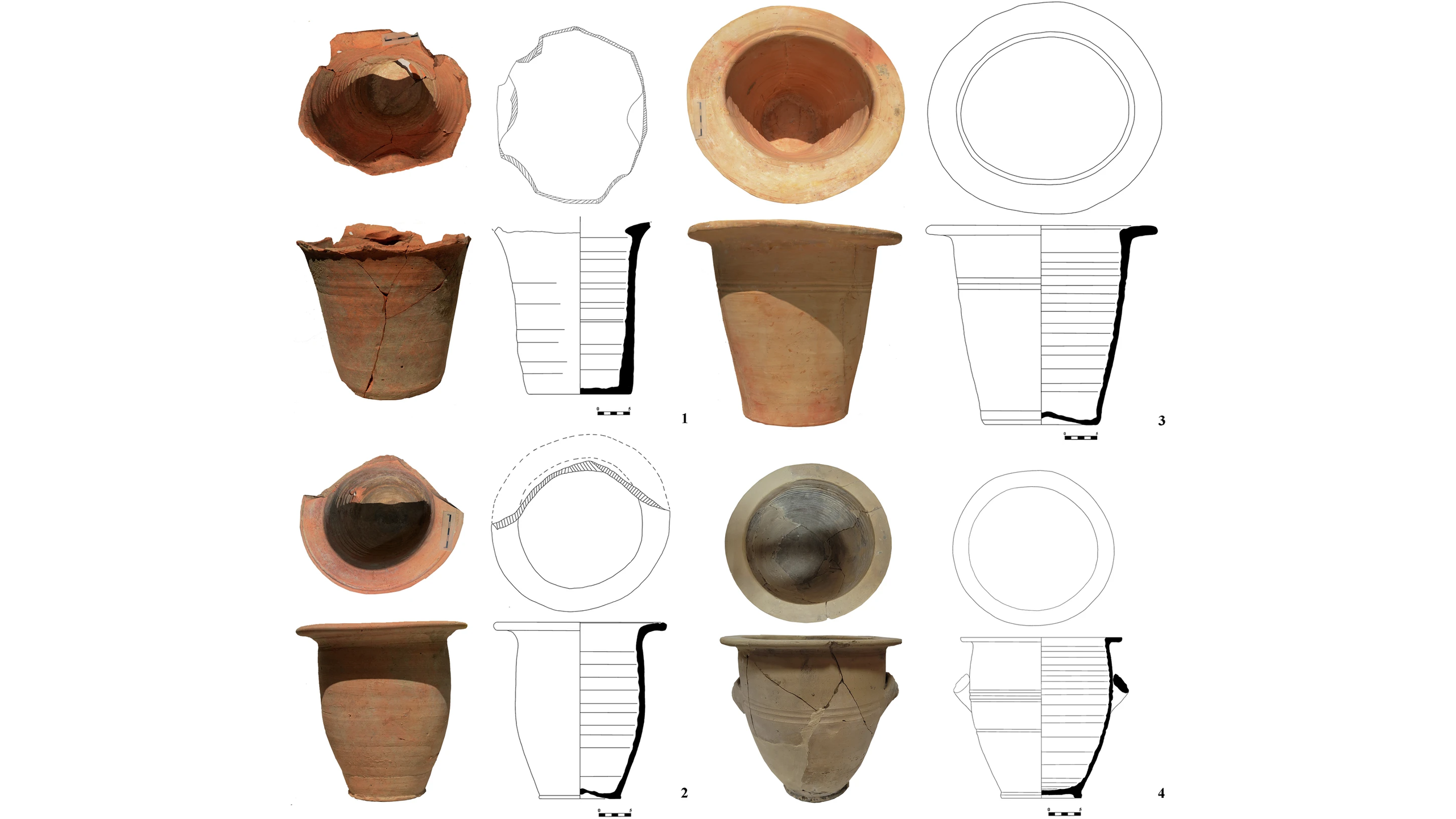
The study examined deposits scraped from the sides and bottoms of four chamber pots. Using ELISA, a laboratory test that can detect bacteria, parasites, and viruses in bodily-fluid-related samples, the researchers identified three human gut pathogens: Entamoeba histolytica, Cryptosporidium parvum, and the tapeworm Taenia.
All three are associated with gastrointestinal illness, including diarrhea and stomach pain. But the most striking result was the presence of Cryptosporidium. According to the source text, earlier work had documented intestinal worms, Giardia, and other parasites in Roman contexts, but this study is the first to identify Cryptosporidium in human remains from the Roman world, and it represents the earliest known human evidence of that infection anywhere.
That gives the discovery significance beyond Roman archaeology. It extends the documented history of a medically important parasite and shows that people living nearly two thousand years ago were dealing with infections that are still globally relevant today.
Why Cryptosporidium matters
Cryptosporidium is a protozoan parasite that can cause acute gastrointestinal distress. In modern settings it is associated with diarrheal disease and can spread through contaminated water, food, or close-contact environments. The fact that it now appears in Roman chamber-pot residue suggests that the ecological and sanitary conditions needed for transmission existed in these frontier communities.
That does not mean Roman people understood the organism or its routes of spread in modern scientific terms. But it does mean they lived with the health consequences. The presence of multiple pathogens in the same pottery samples also hints at a broader burden of enteric disease, something that would have shaped daily life even when it did not leave dramatic marks on skeletons or architecture.
For historians of medicine, this is precisely why paleoparasitology matters. Written sources may describe illness in general terms, but preserved biological residues can reveal the specific organisms involved.
Life on the Roman frontier was not hygienic by modern standards
The sites themselves add context. In the first century, Rome established the province of Moesia Inferior in the Balkans, and places like Novae served as important frontier positions where legions defended the empire’s borders. Military towns and associated settlements brought people, animals, food systems, storage, waste, and water into tight proximity. Those are conditions in which intestinal pathogens can circulate efficiently.
Frontier communities are often imagined through forts, walls, and military logistics. This study is a reminder that they were also biological environments. Soldiers, workers, families, and local populations all interacted within infrastructures that managed waste imperfectly by modern standards. Chamber pots themselves were part of that system: private, portable containers that could preserve evidence of what was happening inside human bodies.
The result is a more intimate picture of Roman life, one built not from inscriptions or weapons but from sanitation residue. It shows the empire not only as an administrative and military machine, but as a network of vulnerable human communities dealing with ordinary illness.
Why ancient pathogen detection is advancing now
One reason discoveries like this are becoming more common is that archaeological science now draws on increasingly sensitive methods to analyze residues once dismissed as contamination or debris. The ELISA testing described in the report makes it possible to detect pathogen signatures in preserved material that might otherwise appear uninformative.
That methodological shift is changing archaeology. Instead of relying solely on artifacts, researchers can reconstruct aspects of health, infection, and environment directly from trace evidence. In the case of the Bulgarian chamber pots, that means dried mineralized waste has become a biological archive.
Such work is especially valuable for diseases that may not produce distinctive skeletal lesions. Many infections that deeply affected ancient populations passed through soft tissue and disappeared from view after death. Residue analysis gives researchers another route back to those missing histories.
A small find with wide implications
The chamber pots themselves are modest objects, but the implications are broad. The discovery pushes confirmed human Cryptosporidium infection further back in time, broadens the known disease landscape of the Roman world, and demonstrates how everyday archaeological materials can transform medical history.
It also reinforces a larger point about the ancient past: people in Roman frontier settlements faced a constant interplay of military duty, urban life, and infectious disease. Their world was technologically impressive in many respects, but still deeply exposed to the biological risks of crowding, waste, and contaminated environments.
By tracing a modern-known parasite into Roman chamber pots, the new study connects present and past in a direct way. It shows that some of the pathogens shaping human life today have been traveling with us for far longer than the written record alone could prove.
This article is based on reporting by Live Science. Read the original article.
Originally published on livescience.com


