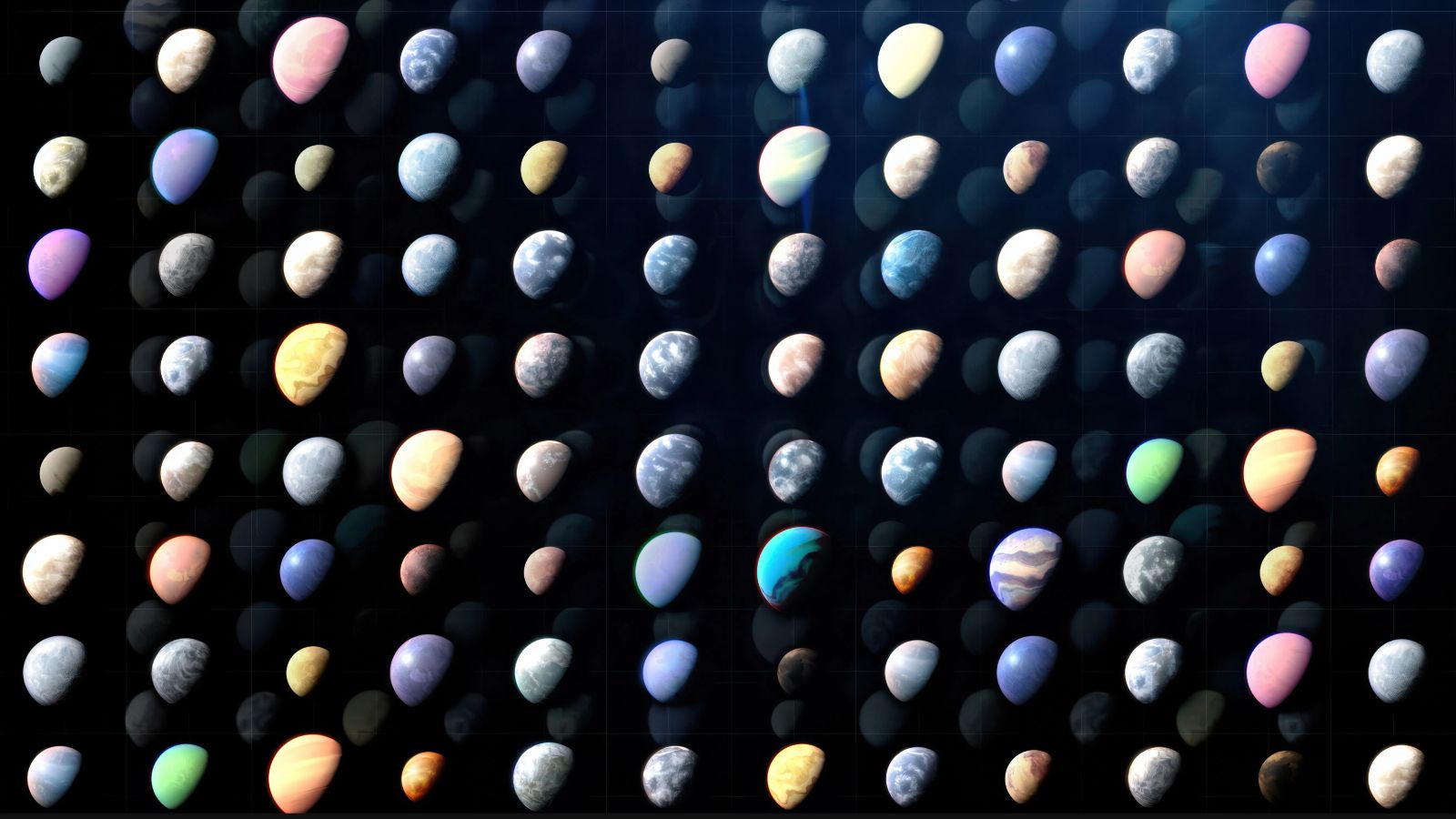
A candidate haul that could reshape exoplanet science
Astronomers may have identified one of the largest batches of possible exoplanets ever reported at once. According to a new preprint described in the supplied source material, researchers uncovered 11,554 exoplanet candidates by applying a machine-learning algorithm to light curves from 83,717,159 stars observed by NASA’s Transiting Exoplanet Survey Satellite, or TESS.
If those candidates are confirmed, the result would mark an extraordinary jump in the number of known worlds beyond the solar system. The source text notes that more than 6,000 exoplanets had been confirmed by September 2025, with nearly 300 added since then. A validated haul on this scale would push the total toward 18,000, close to tripling the present count.
That headline number is precisely why the announcement deserves both attention and caution. The reported candidates are not yet confirmed planets, and the study has not been peer reviewed. Still, even at the candidate stage, the work highlights how much discovery potential remains buried inside existing astronomical data.
Why so many worlds may have been missed
The basic method behind the search is familiar to exoplanet researchers. TESS watches stars for tiny drops in brightness that can occur when a planet passes in front of its host star from Earth’s point of view. These events are called transits. The challenge is scale. When the data pool runs into the tens of millions of stars, the number of faint, noisy, ambiguous signals becomes too large for traditional workflows to inspect efficiently.
That is where the new algorithm appears to have made its biggest contribution. By scanning more than 80 million stars, it reportedly flagged subtle signatures that would otherwise have been effectively impossible to catch. This is a reminder that discovery in astronomy no longer depends only on building bigger telescopes. It also depends on extracting more signal from the data telescopes already collect.
TESS, launched in 2018, is especially well suited to this kind of large-scale mining because it has produced an enormous archive of repeated stellar observations. Each light curve is a record of changing brightness over time. Hidden among those curves may be the regular dips produced by orbiting planets, but also noise from stellar activity, instrumentation, and other astrophysical effects. Machine learning offers a way to sift through that complexity at scale.

From telescope era to algorithm era
Exoplanet science has always advanced alongside better tools. The first confirmed exoplanet discovery in 1995 opened a new field, and later observatories accelerated the rate of detection. What this new result suggests is that the next wave may come from reprocessing the observational backlog rather than waiting only for fresh missions.
That shift matters because it changes the economics and tempo of discovery. If advanced classification systems can reliably identify high-quality candidates across massive archives, astronomers can generate larger target lists for follow-up without proportionally increasing manual labor. In practical terms, that means scarce observing time on other instruments can be focused more efficiently.
It also means that astronomical archives should be treated less like static records and more like renewable scientific resources. The same telescope data can produce additional discoveries as analytical methods improve. In that sense, machine learning does not replace observational astronomy. It extends the useful life and scientific reach of observational infrastructure that already exists.
What has to happen next
The most important next step is confirmation. Candidate status means the signals are promising, not definitive. False positives can arise for many reasons, including stellar variability or eclipsing binary systems that mimic planetary transits. The source text does not claim that the 11,554 objects are all proven planets, and that distinction is central.
Still, even a lower eventual confirmation rate could make the survey highly significant. A candidate catalog of this size offers a rich pipeline for future validation work, statistical population studies, and prioritization for more detailed observation. Some of these candidates could become targets for atmospheric characterization, orbital analysis, or comparative studies of planetary system formation.
The scale of the search also raises the possibility that some types of planets have been systematically undercounted because they were buried in weak or messy signals. If so, the result could influence more than raw totals. It could change models of how common certain classes of planets are and where astronomers should look for them.

A discovery story with a caution label
There is always a temptation to present large candidate counts as settled breakthroughs, especially in a field as publicly compelling as exoplanets. The better reading is more disciplined. This is an early but potentially important report from a preprint that has not yet passed peer review. The candidates require confirmation. The final yield will almost certainly be smaller than the initial list.
Yet it would be a mistake to dismiss the work simply because it is preliminary. Even at this stage, the study illustrates a broader transformation in science. Discovery is increasingly shaped by the interaction between instruments and intelligent analysis systems. In astronomy, that means the next major leap may come not only from seeing farther into space, but from learning how to read existing starlight more effectively.
If the reported candidates hold up in meaningful numbers, this survey will stand as a landmark example of that shift. It would show that the map of alien worlds is still far from complete, and that some of the biggest additions to it may come not from a new telescope launch, but from a better algorithm applied to data already in hand.
This article is based on reporting by Live Science. Read the original article.
Originally published on livescience.com