Pentagon ड्रोन लॉन्चर्सपलीकडे जाऊन self-sustaining swarms कडे पाहत आहे
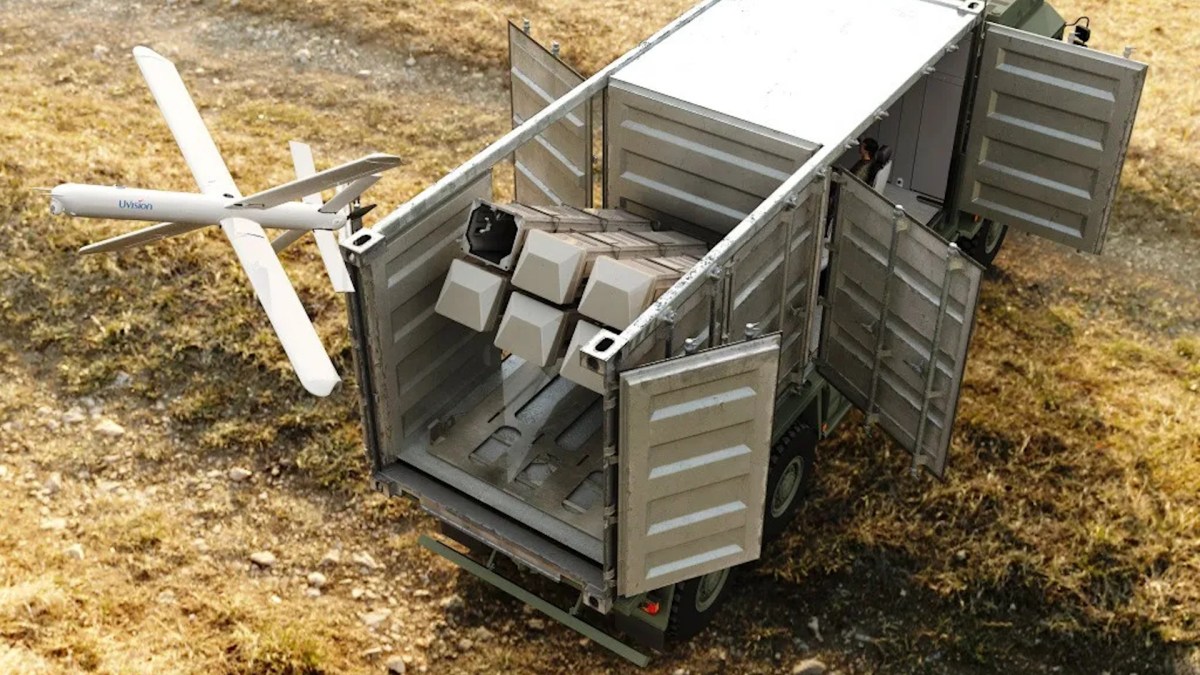
DARPA अशा containerized drone systems साठी संकल्पना मागवत आहे, जी केवळ विमाने हवेत सोडण्यापेक्षा खूप अधिक करू शकतील. स्रोत सामग्रीनुसार, agency remotely operated containers शोधत आहे, जे उच्च पातळीच्या autonomy सह drones launch, recover, आणि इतर support functions करू शकतील, आणि एकाच वेळी 500 drones पर्यंत network करू शकणाऱ्या “autonomous constellation” चा भाग असू शकतील.
ही विनंती सैनिकी विचारसरणीत लक्षणीय बदल दाखवते. समस्या आता फक्त अधिक drones तयार करण्याची नाही. प्रश्न असा आहे की distributed systems कसे field करायचे, जे दिसायला साधे राहतील, contested environments मध्ये टिकतील, आणि किमान infrastructure सह swarm सुरू ठेवतील.
कंटेनर्स का महत्त्वाचे आहेत
Containerization स्पष्ट tactical advantages देते. साध्या दिसणाऱ्या launcher किंवा support node ला commercial-style logistics channels मधून हलवता येते, sensitive areas मध्ये आधीच ठेवता येते, किंवा land आणि maritime environments मध्ये पसरवता येते. सैनिकी भाषेत, यामुळे threat envelope वाढतो आणि प्रतिस्पर्ध्याचे defensive picture अधिक गुंतागुंतीचे होते.
स्रोत हे स्पष्टपणे contested areas मध्ये deploy करता येईल किंवा enemy lines च्या मागे ठेवता येईल अशा system म्हणून मांडतो. त्यामुळे ही संकल्पना पारंपरिक airbase-centered drone operations पासून मूलभूतरीत्या वेगळी ठरते. मोठ्या, उघड दिसणाऱ्या infrastructure शिवाय swarm ओळखणे कठीण अशा distributed support points मधून उभा राहू शकतो.
DARPA ची रुची launch पर्यंत मर्यादित नाही. agency drones recover करू शकणाऱ्या आणि support functions देऊ शकणाऱ्या systems ची मागणी करत आहे, ज्यामुळे लहान unmanned aircraft च्या प्रमुख operational कमजोर्यांपैकी एकावर उपाय मिळेल. Commercial Group 1 ते Group 3 systems मध्ये endurance, payload, आणि electrical power याबाबत मर्यादा असतात, आणि मोठ्या प्रमाणावर वापरल्यास त्यांना substantial basing आणि recovery arrangements लागतात. DARPA ही अवलंबित्व तोडू इच्छित आहे असे दिसते.
अलीकडील संघर्षांतून घेतलेले धडे
स्रोत DARPA च्या विचारांना यूक्रेन आणि मध्यपूर्वेतील अलीकडील उदाहरणांशी जोडतो. रशियन airbases वर यूक्रेनचे Operation Spiderweb covert drone attacks आणि 12 Day War च्या सुरुवातीच्या टप्प्यात इराणच्या आतून इस्रायलने केलेले near-field attacks, अनपेक्षित ठिकाणांहून drone effects launch करण्याचे मूल्य दाखवणारी उदाहरणे म्हणून उद्धृत केली आहेत.
ही उदाहरणे महत्त्वाची आहेत, कारण भूगोल आणि attribution अस्पष्ट असताना तुलनेने कमी किमतीची unmanned systems strategic surprise साध्य करू शकतात हे ती दाखवतात. launch points mobile, लपलेले, किंवा सामान्य दिसणाऱ्या containers मध्ये embedded असतील तर warning time कमी होतो आणि defensive coverage optimize करणे कठीण होते.
DARPA ची संकल्पना हीच तर्कशृंखला पुढे नेते. प्रत्येक drone attack ला एकदाच घडणारी घटना म्हणून न पाहता, agency swarms ना networked battlespace presence म्हणून टिकवता येईल का, हे शोधत आहे. त्यामुळे operations isolated strikes पासून persistent, adaptable constellations कडे जातील, ज्यातून surveillance, reconnaissance, किंवा kinetic missions करता येतील.
अर्थपूर्ण प्रमाणातील swarm
स्रोतामधील आकडा लक्षवेधी आहे: एकावेळी 500 drones पर्यंत. त्या प्रमाणात आव्हान केवळ mass चे नाही. ते coordination, power management, communications resilience, maintenance, आणि recovery चे आहे. इतका मोठा swarm तेव्हाच उपयुक्त ठरतो, जेव्हा तो bandwidth आणि control साठी स्पर्धा करणाऱ्या expendable aircraft च्या गर्दीसारखा न वागता एक integrated system म्हणून काम करतो.
म्हणूनच autonomy ही विनंतीची मध्यवर्ती गोष्ट आहे. वेगाने बदलणाऱ्या contested environment मध्ये मानव operators शेकडो vehicles चे सूक्ष्म नियंत्रण करू शकत नाहीत. DARPA स्पष्टपणे अशा systems मध्ये रस घेत आहे, जे निर्णय वितरित करू शकतील, नुकसानीशी जुळवून घेतील, आणि सतत direct control शिवाय mission effectiveness टिकवून ठेवू शकतील.
याचे परिणाम व्यापक आहेत. 500-drone autonomous constellation एकाच वेळी layered reconnaissance, electronic support, strike, decoy, किंवा relay functions करू शकते. ते sensors saturate करून आणि आधी काय intercept करायचे याबद्दल कठीण निवडी भाग पाडून defenders साठी गंभीर पेच निर्माण करू शकते.
हे भविष्यातील युद्धाबद्दल काय सांगते
ही विनंती platform-centric विचारसरणीतून system-centric विचारसरणीकडे चाललेल्या व्यापक बदलाचे प्रतिबिंब आहे. एक containerized swarm node स्वतंत्र वस्तू म्हणून फार प्रभावी वाटत नाही. त्याचे महत्त्व हे आहे की ते काय शक्य करते: hidden basing, scalable mass, distributed autonomy, आणि operational persistence.
हेही सूचित होते की Pentagon state आणि non-state drone innovation दोन्हीकडून धडे घेत आहे. अलीकडील संघर्षांनी cost imbalance महत्त्वाचे असल्याचे दाखवले आहे. महागडी defenses, स्वस्त networked systems च्या लाटांमुळे दबावाखाली येऊ शकतात. launch आणि recovery अधिक portable आणि covert झाल्यास offense-defense balance अधिक सरकते.
प्रतिस्पर्ध्यांसाठी याचा अर्थ drone threat कुठून सुरू होतो याबाबत अधिक uncertainty. नियोजकांसाठी, logistics, concealment, autonomy software, आणि recovery mechanisms हे airframes इतकेच strategically important बनत आहेत.
या संकल्पनेसमोर अजूनही असलेली बंधने
request for information हा fielded program नाही. public record मध्ये अजूनही अनेक कठीण engineering समस्या unresolved आहेत, ज्यात communications कसे secure करायचे, power कसे manage करायचे, maintenance कशी हाताळायची, आणि fire मध्ये नुकसान झालेले किंवा low-endurance drones कसे recover करायचे, हे समाविष्ट आहे. मोठ्या प्रमाणावर autonomy command, safety, आणि targeting प्रश्नही निर्माण करते, जे aircraft संख्या वाढल्यास अधिक गुंतागुंतीचे होतात.
तरीही दिशा स्पष्ट आहे. DARPA उद्योगाला individual drones ऐवजी deployable ecosystems म्हणून विचार करण्यास सांगत आहे. या विनंतीतील सर्वात रंजक भाग container नाही. तो म्हणजे मोठ्या प्रमाणावर self-sustaining unmanned battlespace architecture तयार करण्याची महत्त्वाकांक्षा, जी पटकन प्रकट होऊ शकते, मर्यादित support मध्ये काम करू शकते, आणि जवळजवळ कुठूनही threat उभा करू शकते.
हे military capability design मधील एक महत्त्वपूर्ण विकास आहे. DARPA ने ही संकल्पना workable systems मध्ये रूपांतरित केली, तर containerized swarms पुढील drone era मधील सर्वात disruptive force multipliers पैकी एक ठरू शकतात.
हा लेख twz.com च्या रिपोर्टिंगवर आधारित आहे. मूळ लेख वाचा.
Originally published on twz.com