An alleged plot puts a familiar threat back in focus
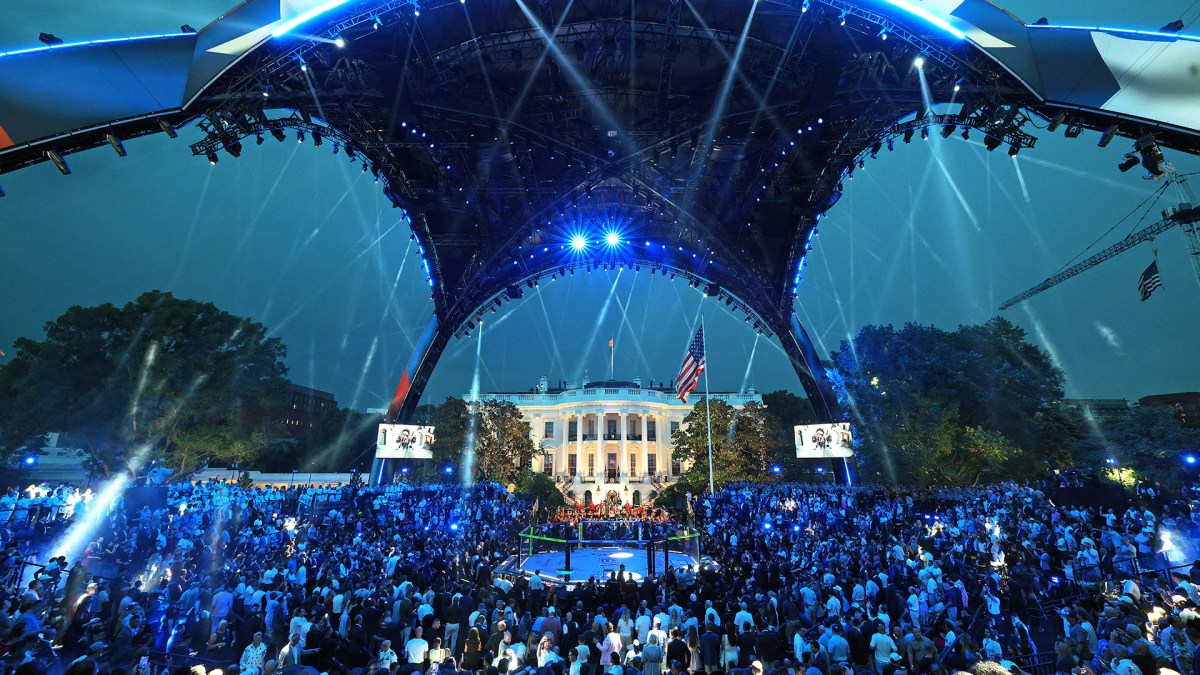
An alleged plan to attack a UFC event at the White House with explosive drones has pushed a long-discussed homeland security concern back into the spotlight. According to federal records cited by The War Zone, the plot targeted the UFC America 250 event held on June 14 and involved a plan to use drones carrying explosive devices over the north side of the arena area.
The filings, as described in the report, say five people were arrested. One affidavit cited in the story says the group planned to stage a demonstration on the north side of the White House, fly drones loaded with unspecified explosive devices, and use the resulting chaos to push attendees and what were described as high-value targets toward the south side, where additional attackers would engage them.
Capability is unclear, but the threat is not
The War Zone notes that it remains unclear whether those involved could actually have carried out such a complex attack. That uncertainty matters, but it does not erase the larger significance of the case. Small drones have altered the security landscape because they are comparatively cheap, adaptable, and difficult to defend against, especially in open-air settings with large crowds and dense media attention.
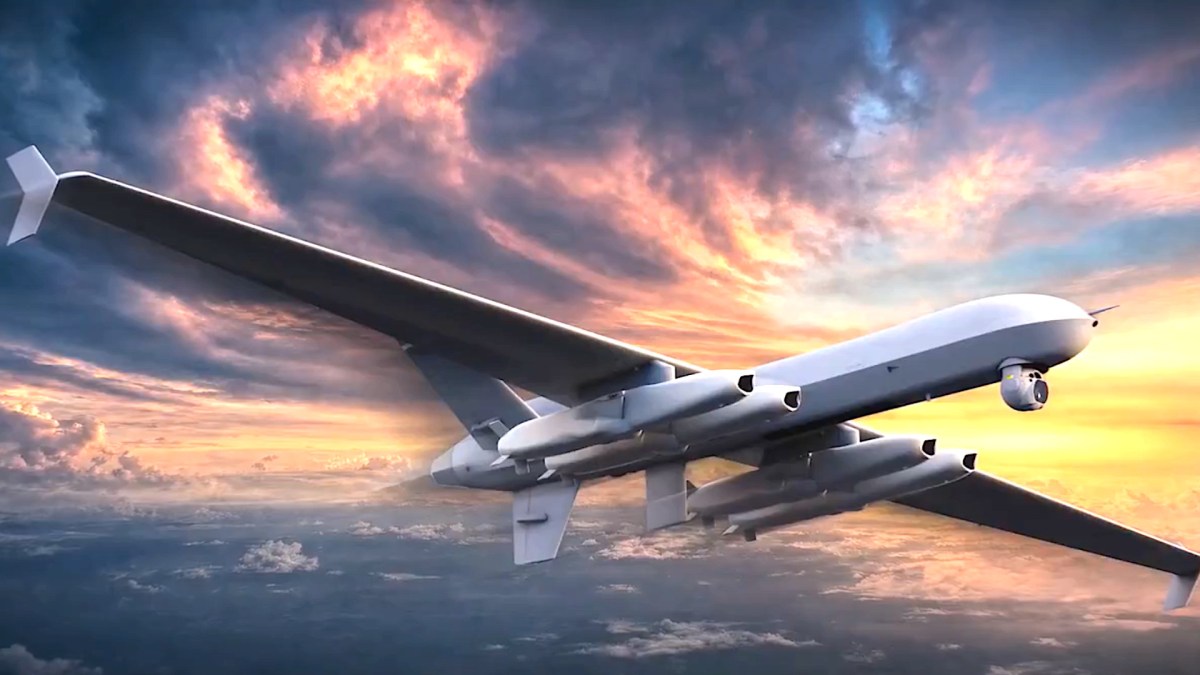
The report argues that the incident amplifies concerns that analysts have been warning about for years: drones are no longer a niche battlefield tool or a hobbyist novelty. They are now part of the threat environment for domestic critical infrastructure, major public events, and symbolic government sites.

Why the White House setting matters
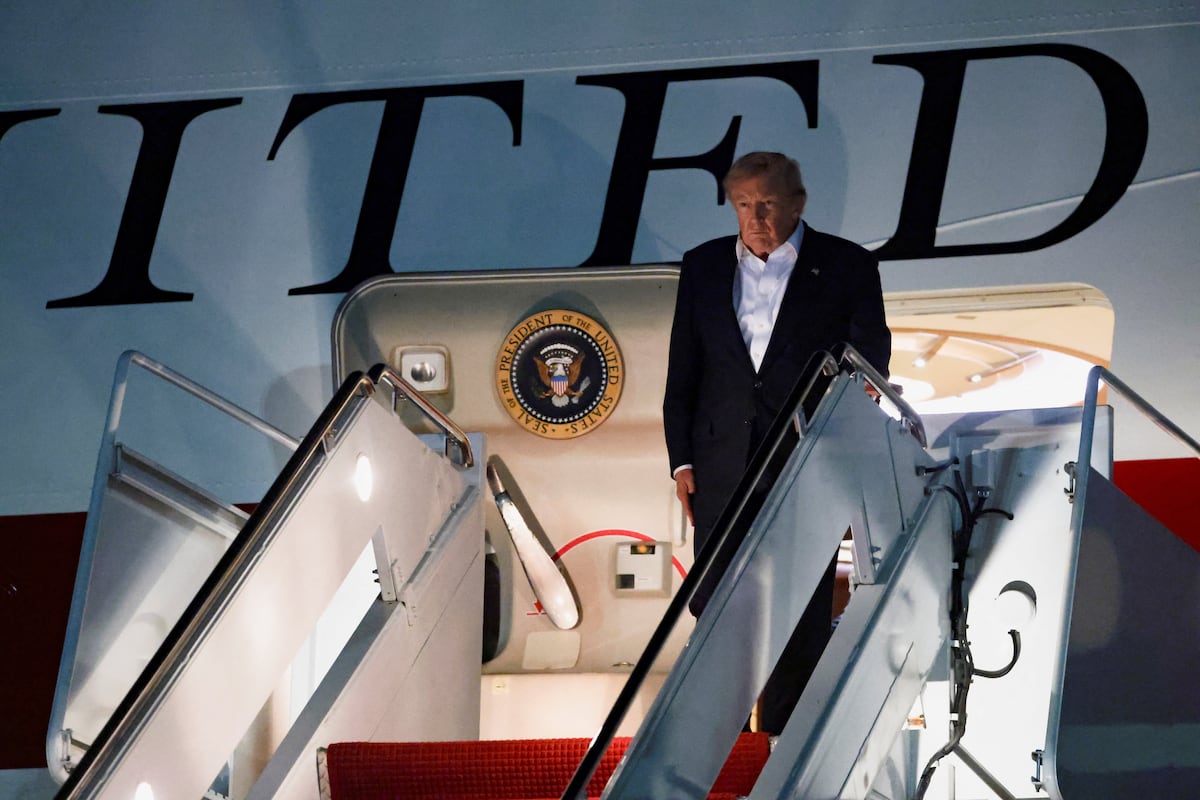
The venue is central to the story. A major event on White House grounds creates a concentration of political symbolism, visible security constraints, and high-value attendees. Even a failed or unrealistic plot has diagnostic value because it shows how adversaries or extremists may think about exploiting low-cost aerial systems against difficult but high-profile targets.
The article also ties the alleged plot to broader concerns about defending the White House from aerial threats. As drone technology spreads, the challenge is no longer limited to preventing unauthorized overflights. Security agencies must contend with the possibility of coordinated use, payload delivery, decoys, and attacks designed to shape crowd movement rather than simply strike a single point.
More than a one-off criminal case
The most important policy lesson is that the incident should not be read only as a criminal case. It is also a warning about how quickly off-the-shelf systems can be folded into attack planning. Drones do not need to defeat every layer of security to create danger. They can complicate response timelines, force evacuation decisions, and stretch protective measures across ground and air domains at once.
That is why reports like this resonate beyond the immediate arrests. They show how the tactical logic of drone warfare and drone-enabled disruption can migrate into the homeland. Whether or not this particular group had the real capacity to execute its plan, the underlying threat model is credible enough that security planners will have to keep adapting.
What this case highlights
- Open-air high-profile events remain exposed to aerial disruption
- Drones can be used to create panic and channel crowd movement
- The barrier to entry is lower than for many traditional attack methods
- Homeland counter-drone defenses remain a live policy and operational issue
This article is based on reporting by twz.com. Read the original article.
Originally published on twz.com