A modern carrier closes out a deployment of historic length
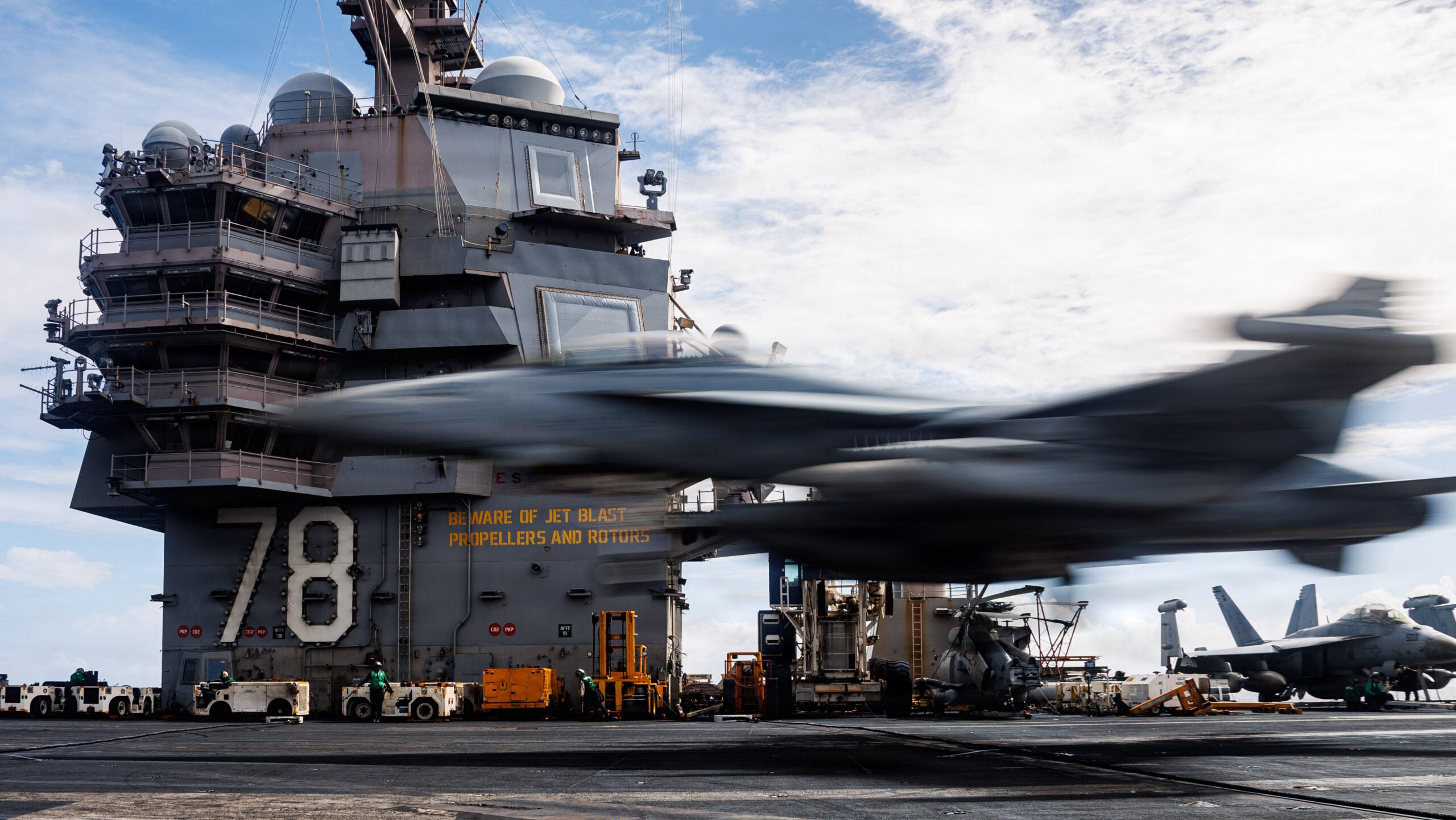
The USS Gerald R. Ford is returning home after what the US Navy says has been a record-setting modern deployment, ending 324 days at sea and marking the longest aircraft carrier deployment since the Vietnam War era. The ship departed Naval Station Norfolk on June 24, 2025, and, according to Chief of Naval Operations Adm. Daryl Caudle, will return on Saturday.
The headline number alone is striking. Caudle told lawmakers that the deployment surpassed the 294 days at sea logged by the USS Abraham Lincoln in 2019 and 2020. By the Navy’s comparison, it now stands alongside the far longer deployments associated with wartime operations decades ago, including the Coral Sea and Midway during Vietnam. In that sense, the return of the Ford is not merely a homecoming. It is a data point about how heavily the Navy has been leaning on its newest carrier class.
What made the deployment notable
Adm. Caudle praised the crew, the strike group, and the ship’s performance, calling it an extraordinary deployment. He also described it as a “backhanded compliment” to the Navy. That phrase captures the dual meaning of the mission.
On one hand, the deployment is being presented as evidence of endurance. The Ford-class carrier, the Navy’s newest and most technologically ambitious flattop design, appears to have sustained an extended operational tempo across multiple theaters. Caudle specifically pointed to the class’s durability and to a world-record sortie generation rate as signs of what the ship can do under pressure.
On the other hand, the length of the deployment also reflects force-structure strain. Caudle openly acknowledged that he wished he had more capacity to flow additional strike groups into theater. In plain terms, the Ford stayed out as long as it did partly because demand for carrier presence exceeded the Navy’s available flexibility.
That tension is familiar in US naval strategy. Aircraft carriers remain among the military’s most visible instruments of deterrence, crisis response, and power projection. But they are also finite, maintenance-intensive assets, and prolonged deployments place stress on sailors, families, equipment, and the broader readiness cycle.
A deployment spanning several theaters
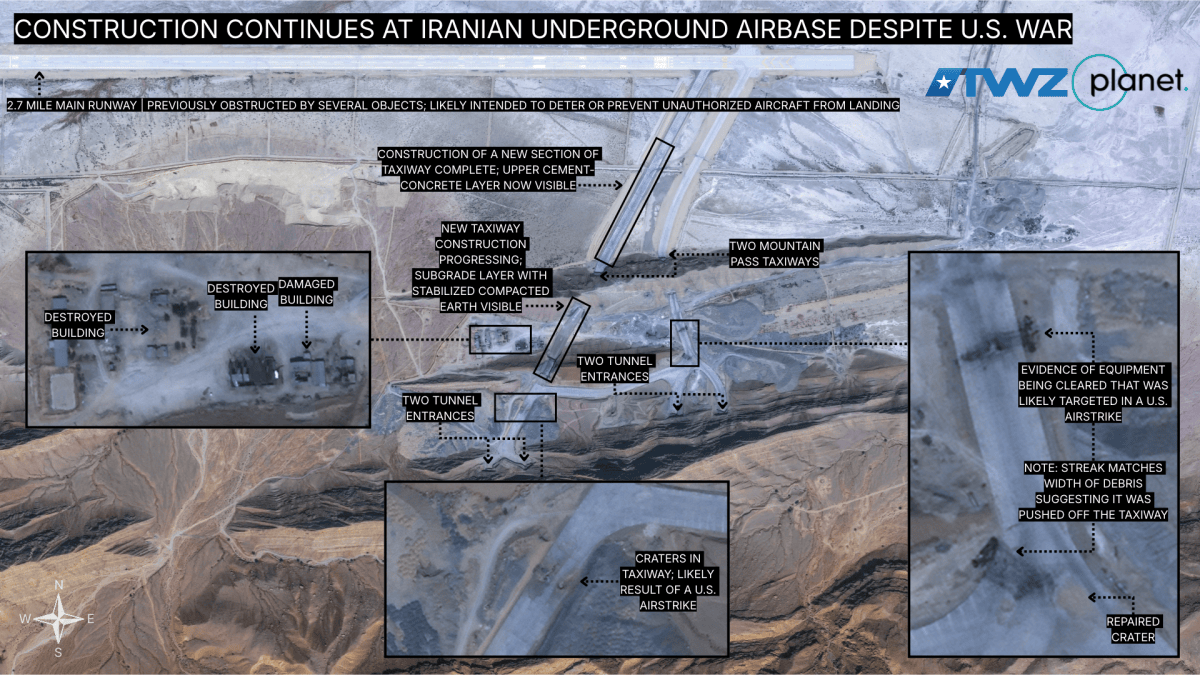
The Ford did not spend its time in one narrowly defined operating area. During the deployment, it worked in the High North with NATO allies, then in the Eastern Mediterranean, before shifting to US Southern Command as part of a naval buildup associated with the removal of Venezuelan leader Nicolas Maduro in January. It later moved again to support operations in the Middle East, including Operation Epic Fury alongside the Abraham Lincoln.
That itinerary reflects the strategic reality facing the Navy: a single carrier strike group may be asked to reinforce alliances in Europe, show presence in the Western Hemisphere, and support combat or contingency operations in the Middle East within the same extended deployment. The ability to reposition a carrier quickly is one of the reasons the platform remains central to US military planning. But the wide geographic span also illustrates how demand can accumulate across multiple hotspots at once.
Caudle added that the Ford completed five Suez Canal transits during its time in the region, an operational detail that underscores just how much movement and task switching were involved. This was not a static patrol. It was a deployment characterized by repeated theater transitions and sustained utility across missions.
What the record says about the Ford class
The Gerald R. Ford has long been scrutinized as the lead ship of a new carrier class intended to modernize US naval aviation. New classes often face criticism over cost, reliability, and whether promised performance gains justify investment. A deployment of this length gives the Navy an opportunity to point to concrete operational output rather than concept slides or acquisition arguments.
That does not erase every debate around the class, but it does strengthen the Navy’s case that the ship can handle a punishing real-world schedule. If the carrier delivered the sortie rates and persistence described by Caudle, supporters will see the mission as validation that the platform can absorb heavy tasking in a volatile global environment.
At the same time, a successful extreme deployment is not automatically proof of an ideal force posture. A ship performing well under stress can coexist with a fleet that is being stretched too thin. The same facts can support two very different policy conclusions: that the Ford class is highly capable, and that the Navy needs more operational slack so it does not have to rely on record-length deployments so often.
The human and strategic cost of long deployments
Carrier deployments are usually discussed in terms of tonnage, strike capability, and geopolitical signaling, but the human dimension matters. More than 320 days at sea is a major burden on sailors and their families. Long absences affect retention, morale, and the sustainability of the all-volunteer force. Even when missions succeed, the cost is absorbed by people first.
There is also an industrial and readiness dimension. Extended time underway can ripple into maintenance schedules and training pipelines. Ships that remain deployed longer may compress the recovery period needed before the next cycle. If repeated across the fleet, that pattern can create compounding strain.
For policymakers, the Ford’s return should therefore be read as both achievement and warning. It demonstrates that the Navy can keep a modern carrier at sea for an extraordinary length of time and move it across major theaters as events demand. It also signals the operational pressure facing a service trying to cover multiple strategic commitments with limited surge margin.
A welcome home with larger questions attached
When the Gerald R. Ford returns to Norfolk, the immediate focus will rightly be on the crew and their homecoming. They are closing out one of the most notable carrier deployments of the post-Cold War era. The Navy will almost certainly present the mission as evidence that the newest carrier class can deliver under extreme demand.
That claim appears well supported by the deployment’s duration and breadth. But the strategic meaning of the mission goes further. A record-setting carrier deployment is impressive partly because it is unusual. If such lengths become normal, the question will no longer be whether the ships are durable enough. It will be whether the fleet is sized and managed in a way that avoids needing this kind of endurance as routine policy.
For now, the Ford comes home as both symbol and signal: symbol of the Navy’s capacity to sustain presence, and signal of how much pressure that capacity is under.
This article is based on reporting by Breaking Defense. Read the original article.
Originally published on breakingdefense.com