USS Benfold’s breakdown exposed the operational cost of a major engineering failure at sea
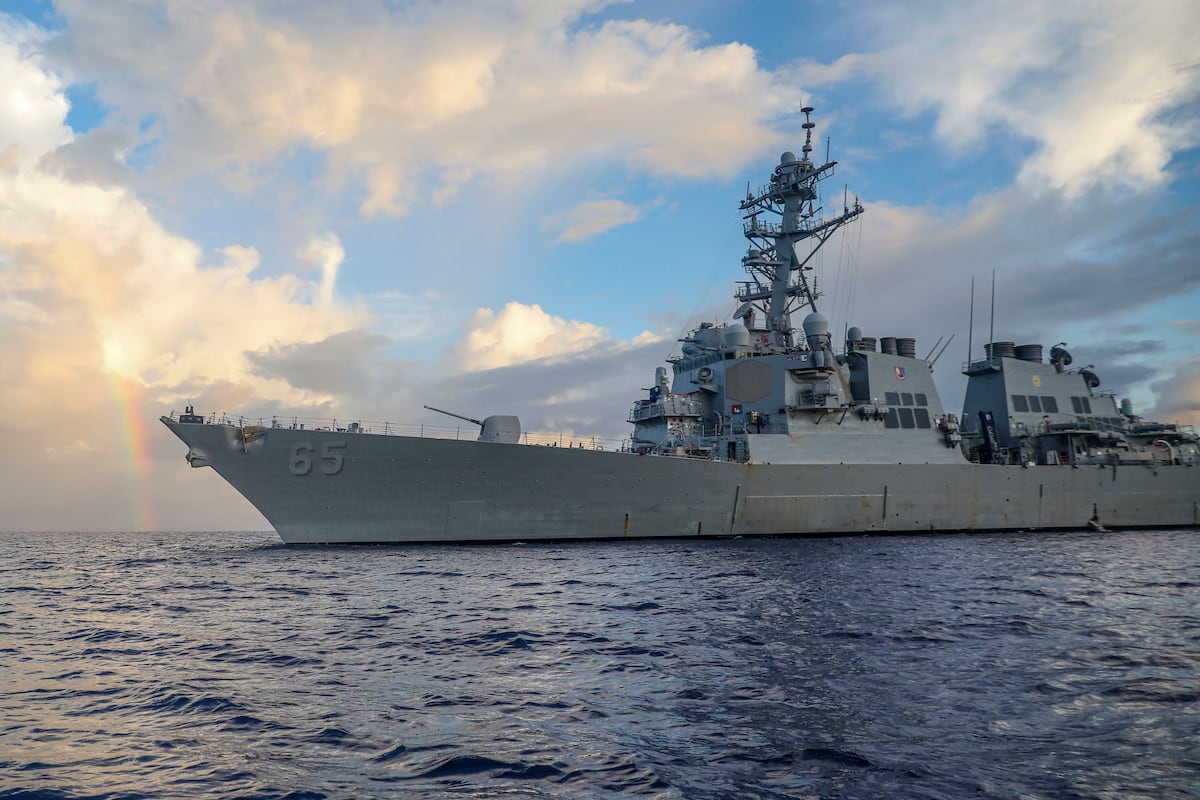
A U.S. Navy destroyer spent four days without power in late July after an engineering casualty disabled its generators during routine operations in the Indo-Pacific, according to details reported August 19. The ship, USS Benfold, is an Arleigh Burke-class guided-missile destroyer. The outage left roughly 300 sailors without many of the basic systems that make sustained operations at sea possible, including potable water, toilets, galley service, and air conditioning.
The incident is notable not only because of the duration of the failure, but because of what it reveals about the fragility of shipboard life when electrical systems go down. On a modern warship, power is not a convenience layered on top of core combat capability. It underpins nearly everything: crew support, engineering systems, communications, and daily habitability. A multi-day outage therefore becomes both a maintenance problem and a readiness problem.
What happened and when
According to 7th Fleet spokesperson Cmdr. Matthew Comer, the engineering incident occurred on July 24. The failure affected the ship’s generators and caused a complete loss of power while the destroyer was operating at sea. Comer did not specify the exact location, though multiple outlets reported the incident occurred in the South China Sea.
With the ship unable to recover normal power generation on its own, USS Benfold was towed by contracted tugboats into Subic Bay in the Philippines on July 28 for repairs. Subject-matter experts from Ship Repair Facility-Japan Regional Maintenance Center met the ship on arrival. Power was restored on July 30, ending a four-day period in which the crew had to function without many of the systems ordinarily taken for granted aboard a deployed warship.
The repair process continued after power returned. The Navy said all necessary repairs were completed before the destroyer shifted berths for fuel on August 7. By the time the ship departed Subic Bay on August 8, all engineering, combat systems, and crew support systems were functioning normally again.

Conditions aboard the ship
The most striking detail in the account is not that a destroyer needed a tow, but the conditions the crew endured while waiting for help and repairs. Without power, sailors were left without potable water, air conditioning, toilets, or galley services. That combination turns a warship into a deeply austere environment within hours, especially in a warm maritime region.
Those missing services matter operationally as much as they matter personally. A crew without reliable drinking water or sanitation is under immediate strain. The loss of air conditioning can be punishing in tropical conditions. The loss of galley service means the Navy must improvise food support. The result is a cascading stress test of logistics, discipline, and command resilience even if no one is physically injured.
The Navy said there were no injuries. Comer said the crew demonstrated resilience, professionalism, and steadiness in their response. Support also came from other ships in the George Washington Carrier Strike Group. That included meals delivered from the Ticonderoga-class guided-missile cruiser USS Robert Smalls while Benfold was still at sea.
Once the destroyer reached Subic Bay, the crew’s support situation improved. The day after arrival, sailors received food and contracted lodging off the ship. That step underscores how serious the shipboard conditions had become: the Navy moved personnel off the vessel rather than keep them living aboard during the initial repair phase.
A readiness issue, not just a maintenance story
Engineering casualties are a fact of naval operations, but a four-day loss of power on a deployed destroyer is more than a routine mechanical hiccup. Benfold is a guided-missile destroyer designed to operate as part of high-tempo naval formations. When a ship like that loses core power generation, the effect radiates outward. The ship itself is sidelined, other vessels must provide support, and maintenance organizations ashore must respond quickly to restore capability.
That broader response was visible here. Tugboats were required to bring the ship into port. A regional repair organization was activated on arrival. Other ships in the strike group helped sustain the crew. Each of those actions reduced risk, but each also consumed time and resources that would otherwise have gone toward normal operations.
The episode also illustrates how naval readiness depends on a chain that extends far beyond a single hull. Deployed groups rely on maintenance networks, allied and partner ports, logistics support, and nearby ships capable of assisting one another. In this case, Subic Bay and the surrounding support architecture appear to have been essential to getting Benfold stabilized and repaired.
The investigation now matters as much as the repair
The immediate crisis is over, but the Navy said the engineering mishap remains under investigation. That inquiry will likely determine whether the failure stemmed from equipment issues, maintenance gaps, operating conditions, or another cause. The supplied account does not provide that answer, and the Navy has not publicly elaborated beyond calling it an engineering casualty involving the generators.
That unanswered question is important because recurring engineering failures can signal deeper problems in fleet sustainment. A single breakdown does not prove a wider trend by itself, but incidents that affect power, habitability, and deployment continuity inevitably attract attention because they touch core concerns about operational availability.
The story also arrives in a period of scrutiny around conditions aboard deployed Navy vessels. The supplied report notes recent attention on morale and mental health aboard USS Abraham Lincoln during an extended deployment. Benfold’s situation was different in cause and duration, but it still feeds a larger discussion about what crews experience when ships remain forward, under pressure, and dependent on complex systems that can fail in consequential ways.
Why this incident stands out
There is a tendency to view naval mishaps in abstract terms, as if a line about an engineering casualty fully captures the event. Benfold’s case shows why specifics matter. For four days, a front-line destroyer lost the electrical foundation that supports both warfighting systems and basic human needs. The crew had to endure degraded living conditions, rely on outside support, and wait for tow and repair assistance before the ship could return to normal status.
The Navy’s final message was that all systems were functioning normally when the ship left Subic Bay on August 8. Operationally, that is the short-term outcome that matters most. But the longer-term significance will depend on what investigators conclude about the cause of the casualty and whether the service can show this was an isolated failure rather than a warning sign.
For now, USS Benfold’s four powerless days serve as a concrete reminder that even advanced warships remain vulnerable to basic engineering breakdowns, and that the consequences extend well beyond mechanics into crew welfare, logistics, and fleet readiness.
This article is based on reporting by Defense News. Read the original article.

Originally published on defensenews.com