A Budget-Friendly Drone Killer
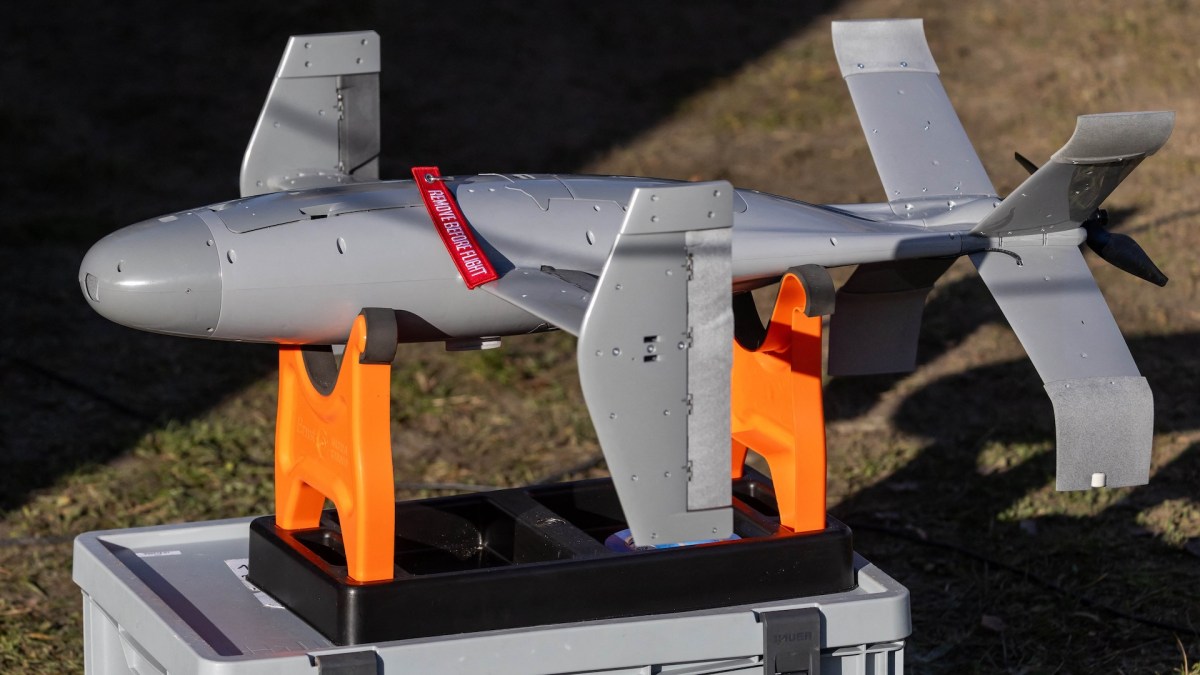
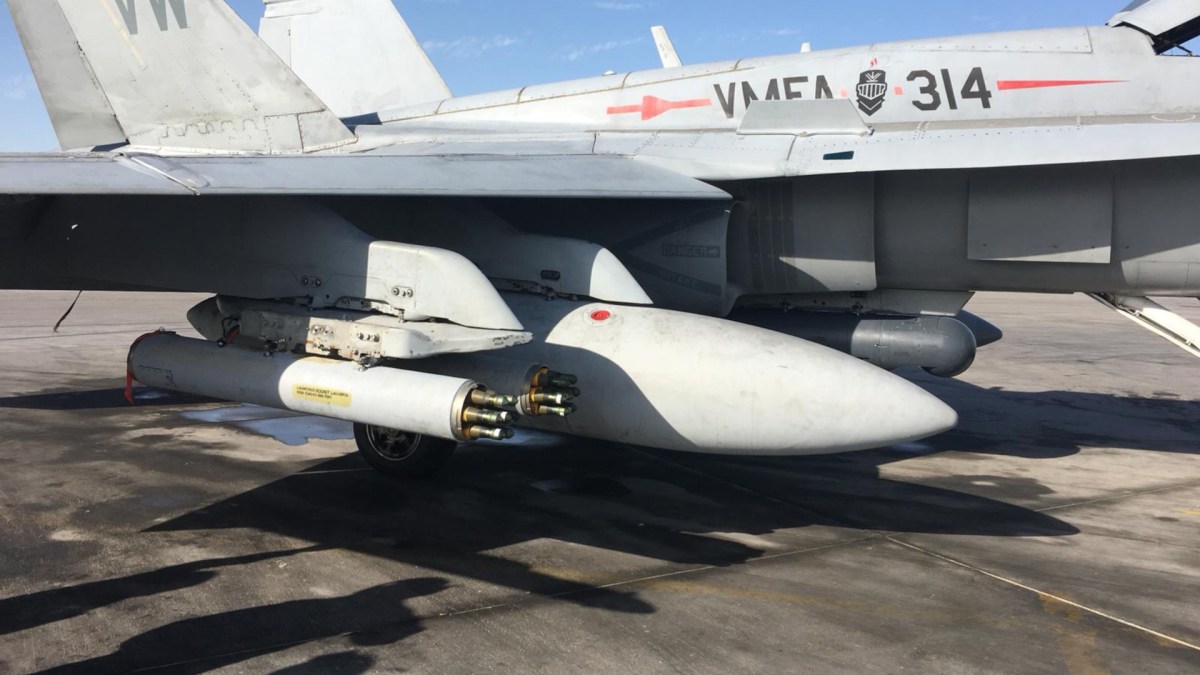
The U.S. Marine Corps is preparing to equip its approximately 125 legacy F/A-18C/D Hornets with the Advanced Precision Kill Weapon System II (APKWS II), a laser-guided 70mm rocket that offers a dramatically cheaper way to shoot down hostile drones and cruise missiles. The air-to-air variant, designated AGR-20F or FALCO (Fixed Wing, Air Launched, Counter-Unmanned Aircraft Systems Ordnance), features a proximity fuze with modified guidance algorithms optimized for engaging small aerial targets.
The cost difference is staggering. An APKWS II guidance section runs $15,000 to $20,000 plus $1,000 to $2,000 for the rocket motor, making each round roughly $20,000. Compare that to an AIM-9X Sidewinder at approximately $450,000 or an AIM-120 AMRAAM at roughly $1 million. For the price of a single Sidewinder, the Marines could field more than 20 APKWS rounds.
Magazine Depth Advantage
Beyond unit cost, the APKWS II offers a crucial magazine depth advantage. The rockets are loaded into seven-shot pods, meaning a single weapons station that would normally carry one air-to-air missile can instead carry seven drone-killing rockets. An F/A-18C/D can carry up to 12 traditional air-to-air missiles, but swapping even a few stations for rocket pods dramatically increases the number of available engagements against swarming threats.
This matters because real-world operations have exposed dangerous ammunition shortfalls. During Iran's April 2024 attack on Israel, U.S. fighters actually ran out of missiles mid-engagement while defending against waves of drones and cruise missiles. The Marine Corps' 2026 Aviation Plan lists "high-density low-cost C-UAS/cruise missile capability" as a top priority, directly responding to these operational lessons.

Combat-Proven and Spreading Fast
The APKWS II has already proven itself in the air-to-air role. The Air Force first employed it on F-16 Vipers in 2024, then expanded use to F-15E Strike Eagles and A-10 Warthogs. The weapon is reportedly in use on Ukrainian F-16s and is being evaluated for integration on the Eurofighter Typhoon. The Navy's F/A-18E/F Super Hornets received similar upgrades in 2024.
It is important to note that the APKWS II is not a dogfighting weapon. It is effective against steady, low-performance targets like small drones and subsonic cruise missiles, making it a complement to, not a replacement for, traditional air-to-air missiles against manned aircraft threats.
Future Enhancements
BAE Systems is developing a dual-mode guidance system that adds an imaging infrared seeker to the existing laser guidance, creating a pseudo-fire-and-forget capability. While initial laser cueing would still be required, the upgrade could further expand the weapon's effectiveness against maneuvering targets. For now, the integration onto Marine Hornets through their remaining service life, expected to extend through the end of the decade, gives the Corps an affordable and proven counter-drone tool during a period of acute need.
This article is based on reporting by The War Zone. Read the original article.

Originally published on twz.com