Washington says mine-laying deterrence is already in motion
The United States says it is already taking action to prevent Iranian forces from laying mines in the Strait of Hormuz, one of the world’s most strategically sensitive waterways. The update follows President Donald Trump’s order for U.S. forces to destroy Iranian ships involved in laying mines there, and it comes as a third U.S. carrier strike group arrives in the region.
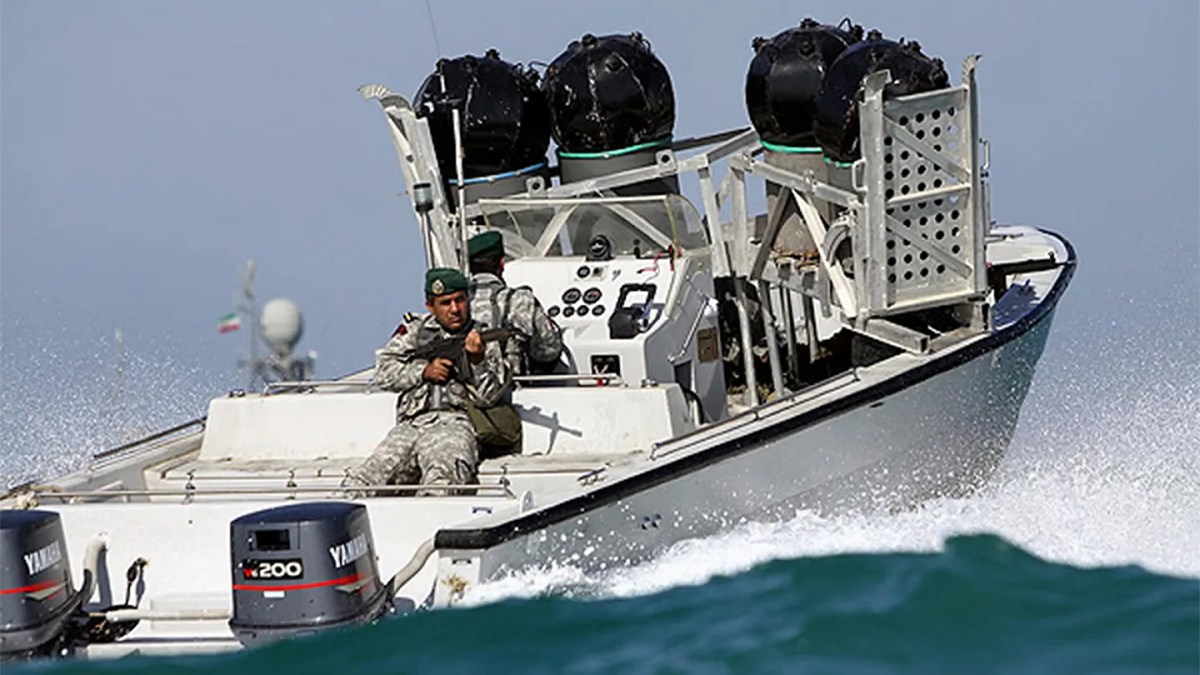
According to comments reported by The War Zone, Chairman of the Joint Chiefs of Staff Gen. Dan Caine said the Islamic Revolutionary Guard Corps has a variety of smaller boats and that U.S. forces are in position to deter and prevent them from continuing mine-laying activity. He did not specify which assets were involved, when they arrived, or what actions they had taken.
What the U.S. is claiming
The public statement was limited but direct. Caine said U.S. forces are already deployed in support of preventing further mine emplacement, acting under orders from the president and the secretary. That indicates the mission is not merely hypothetical planning. The Pentagon’s top uniformed officer is describing an active effort already underway.
A U.S. official speaking anonymously provided additional detail to The War Zone. That official said Iran likely placed some mines in or near the Strait at some point during the conflict, though not in high volume. The same official said more than 95% of Iran’s naval mines were destroyed during Operation Epic Fury and that U.S. forces are addressing the issue through a combination of manned and unmanned capabilities to ensure passage through the Strait is safe.
The official declined to say whether the U.S. is actively searching for mines already laid, and both the Pentagon and U.S. Central Command declined further comment. Even so, the remarks outline the central military problem: prevent additional mines from being laid while also dealing with the possibility that some may already be in the water.
Why the Strait matters
The Strait of Hormuz is a narrow maritime chokepoint, and the mere possibility of mine warfare there carries outsize significance. A small number of mines can create a large operational and psychological effect because ships must assume the threat is real until routes are cleared or the danger is otherwise contained.
That is why even the source’s qualified language matters. The official did not describe a mass mining campaign. Instead, the claim was that Iran likely laid some mines and that the volume was not high. But in a passage this sensitive, small numbers can still drive major military responses.
The U.S. approach described here also reflects the complexity of mine warfare. Prevention, deterrence, surveillance, clearance, and assurance of safe passage all overlap. The public comments point to a layered response rather than a single action.
Manned and unmanned systems in the picture
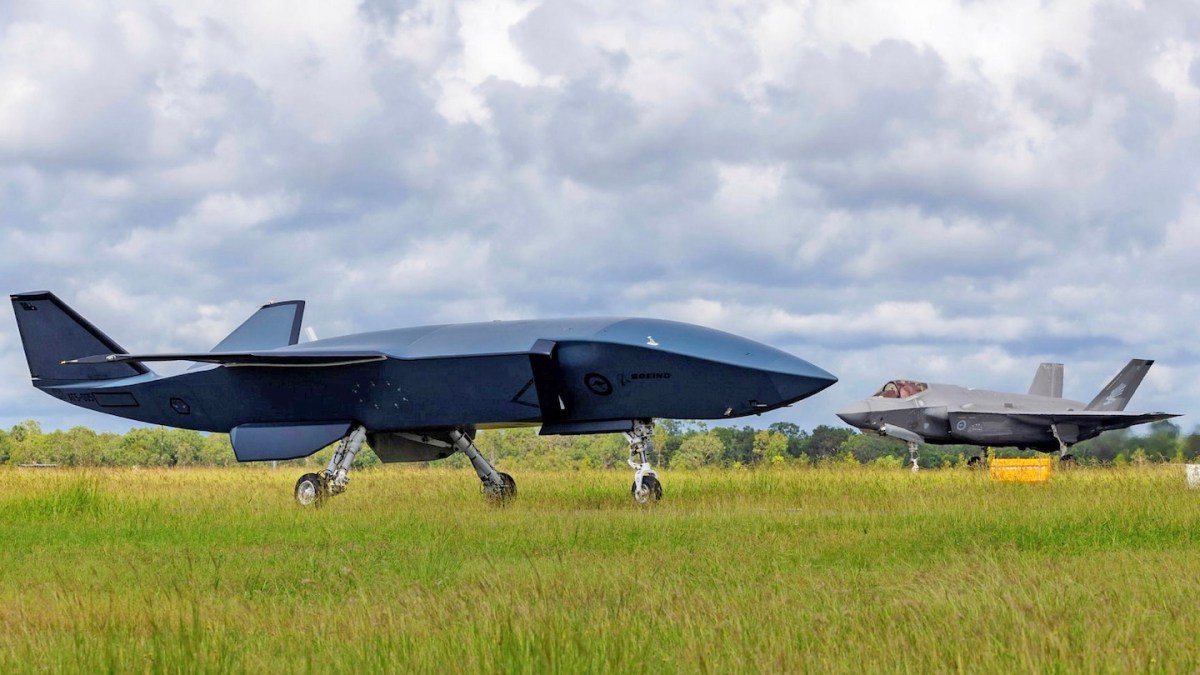
One of the most notable details in the report is the reference to both manned and unmanned capabilities. No platform list was provided, but the wording itself is important. It suggests the operation is being handled with a mix of conventional naval or air assets and uncrewed systems suited to detection, monitoring, or response in a high-risk environment.
The War Zone notes that the Independence-class littoral combat ship USS Canberra is the only confirmed mine sweeper currently in CENTCOM, based on a Pentagon imagery post showing the ship patrolling in the Arabian Gulf. The report also notes broader questions about how many mine-countermeasure assets are actually in theater. That uncertainty underlines a recurring feature of maritime security reporting: the public usually sees only fragments of the force posture involved.
Even with incomplete visibility, the message from Washington is clear enough. The U.S. wants to signal both capability and intent, showing that it is not waiting passively for mines to accumulate or for commercial traffic to be disrupted before acting.
A wider regional buildup
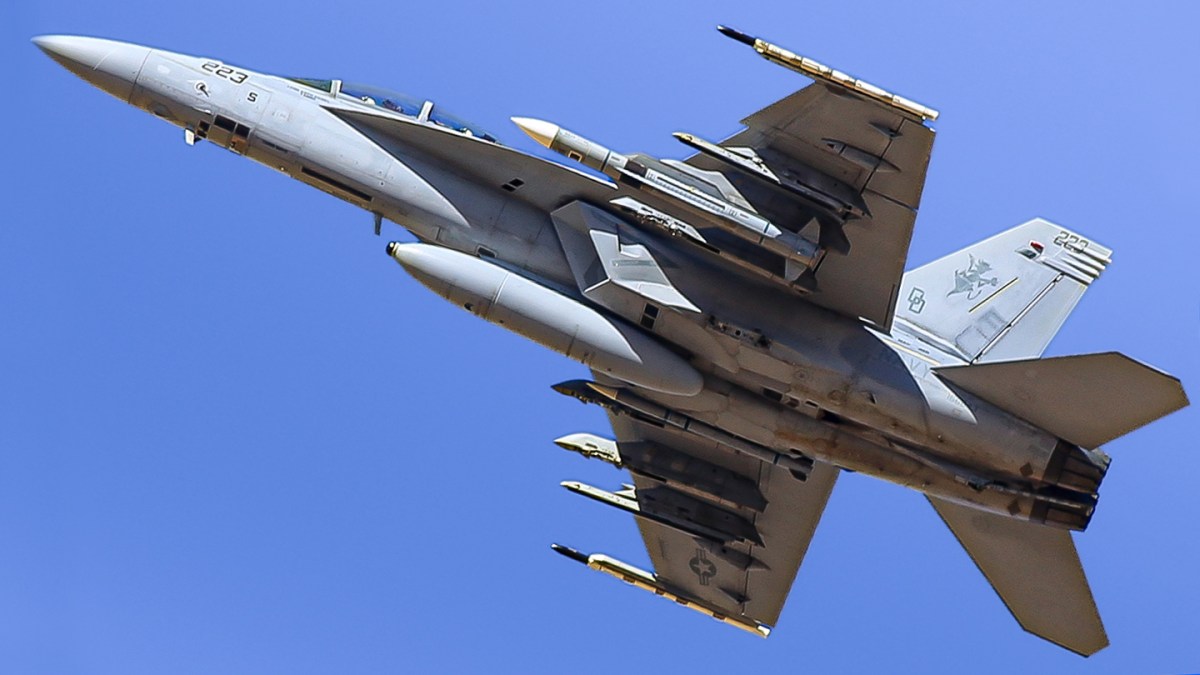
This development is unfolding as U.S. naval presence in the broader region intensifies. The candidate material notes that a third carrier strike group has arrived, reinforcing the sense that the Hormuz situation is part of a larger operational picture rather than an isolated mine-clearance concern.
That wider backdrop matters because mine threats are often used as part of a broader coercive strategy. They can complicate movement, impose uncertainty, and force adversaries into expensive countermeasures. The presence of multiple U.S. carrier groups suggests Washington is responding at a regional scale while still addressing specific tactical risks in the Strait itself.
The key uncertainty
The most important unresolved question is whether U.S. forces are primarily preventing future mine-laying, actively clearing already placed mines, or doing both at once. The anonymous official’s comments leave room for all three possibilities: some mines may have been laid, most Iranian mines were reportedly destroyed, and current operations are using mixed capabilities to keep the passage safe.
That uncertainty is not accidental. In real-world military operations, ambiguity can protect methods and locations. But it also makes outside assessment difficult. What can be said with confidence from the supplied text is narrower: the U.S. says active efforts are underway to prevent additional Iranian mine-laying in the Strait of Hormuz, and American officials believe at least some mines may already have been placed there during the conflict.
In a chokepoint as consequential as Hormuz, that is enough to make this one of the most important operational signals in the region right now.
This article is based on reporting by twz.com. Read the original article.
Originally published on twz.com