The Navy’s latest logistics rethink is about endurance, morale, and geography
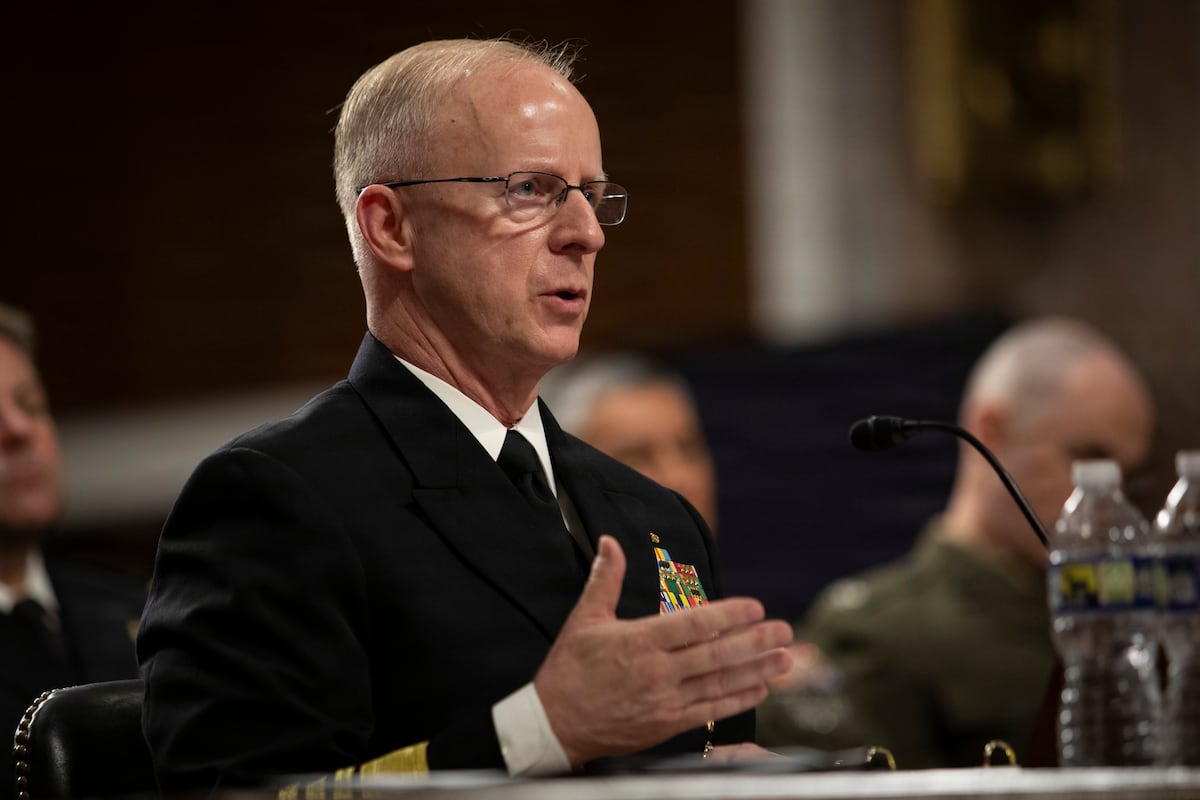
The U.S. Navy is reconsidering how it stocks and resupplies carrier strike groups after the USS Abraham Lincoln completed a grueling deployment that, according to the supplied source text, lasted 270 days overall and included 250 days without a port visit. Chief of Naval Operations Adm. Daryl Caudle said the service is changing both pre-deployment preparation and its assumptions about where ships can safely make port calls.
The immediate lesson is straightforward: long deployments are not just a matter of keeping ships fueled and armed. They are also a test of whether a naval force can preserve crew welfare and sustain routine logistics under conflict conditions. The Lincoln deployment appears to have exposed stress points across that system, from food variety and ship store supplies to hygiene products and the strategic vulnerability of regional support hubs.
Those problems matter beyond one ship. They point to a broader question about how the Navy supports extended operations when traditional logistics nodes are constrained, threatened, or destroyed.
What the Navy said went wrong
In the supplied source text, Caudle acknowledged that the carrier faced resupply problems during its long stretch without a port visit, though he stopped short of fully confirming specific sailor accounts and photographs showing mostly empty food trays. His comments drew a distinction between core nutrition and the additional items sailors rely on for normal daily life. He said the issue was not primarily whether the ship had protein, starches, or green vegetables, but whether crews could access the products that make a long deployment more tolerable, including ship store items such as energy drinks, hygiene products, and coffee.
That distinction is revealing. Militaries often measure readiness in terms of weapons, fuel, and rations, but morale can erode through shortages that fall outside those categories. The source text notes that sailors and families reported severe shortages of basic hygiene products including soap and toothpaste. Navy officials said resupply had to be prioritized, with hygiene items taking a back seat to food as the deployment continued.
Caudle called that criticism fair, saying there were “puts and takes” at the beginning of the conflict until resupply was dialed in. The phrase is bureaucratic, but the underlying point is not: the Navy was forced into tradeoffs that affected everyday quality of life on board.

Why logistics became harder
One reason is structural. The source text states that Naval Support Activity Bahrain, described as a main supply hub for the Navy in the Middle East, was destroyed at the start of the conflict. Even without full detail on every workaround used afterward, that single fact explains much of the logistical pressure. When a central support node is lost, the burden shifts onto dispersed routes, longer transits, and tighter decisions about what gets moved first.
That has operational consequences. A carrier strike group on station has little slack. Every extra day spent reaching a safer port, every delay in moving ship store supplies, and every rerouting decision draws on the same pool of time, escorts, lift capacity, and planning attention. The loss of a hub can turn what would normally be a routine replenishment problem into a campaign-level constraint.
The Lincoln’s experience therefore looks less like an isolated shortfall and more like a live demonstration of contested logistics. This is a concept military planners discuss often, but it becomes real when forces must sustain high-tempo operations while support infrastructure is under direct pressure.
New port options come with a cost
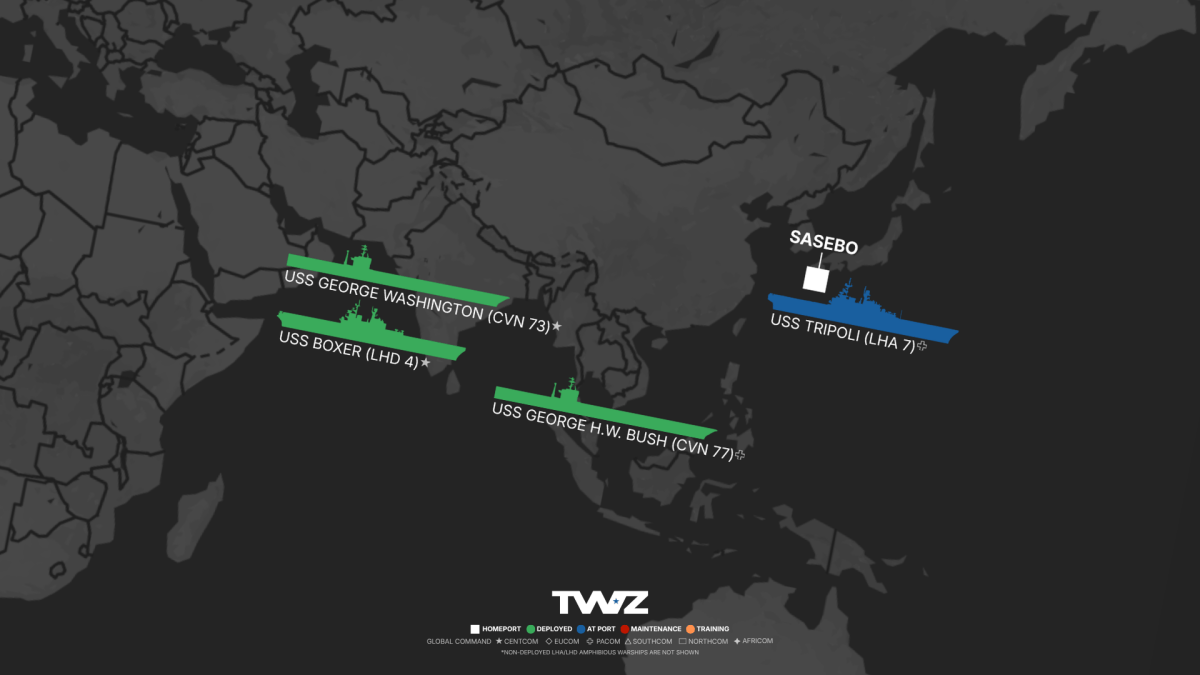
To reduce vulnerability, Caudle said he was working with Vice Adm. Curt Renshaw, commander of the Fifth Fleet, on possible port calls in places less exposed to Iranian attack. The locations he named in the source text were Kenya, Diego Garcia in the Indian Ocean, and India.
Those options suggest a wider geographical envelope for naval sustainment, but Caudle also acknowledged the downside: each alternative imposes a “transit tax.” That phrase captures the tradeoff well. Safer ports may be farther away, which means more time off station, more fuel consumed in movement, and more wear on crews and equipment. A port call that improves security can still reduce operational availability.
This is the central tension in the Navy’s response. The service wants to make deployments more sustainable without sacrificing presence. Yet in a contested region, the easiest places to replenish may not be the safest, and the safest may not be the most efficient. There is no simple fix if the geography of threat pushes logistics farther from the fight.
How the Navy is adapting
According to the supplied text, the Navy is already applying lessons from Lincoln to the next carrier deployment cycle. Caudle said the service is preparing the carrier Theodore Roosevelt, likely for a deployment later this fall, by changing pre-deployment briefs, stockpiling ship store items, and ensuring stronger parts support for both the air wing and ship’s force equipment. He also said sailors and families would receive advance briefs on what to expect.
That response matters because it broadens the definition of readiness. Stockpiling coffee, hygiene goods, and other store items may sound minor next to missiles and spare parts, but the Lincoln case indicates they are part of endurance planning. A strike group that can keep sailors healthier and more stable psychologically is better positioned to absorb the strain of long operations.
The source text also references deteriorating mental health on board and at least two reported suicide attempts. Even without attributing those incidents solely to supply shortages, they reinforce the point that logistics and human sustainability are tightly connected. A deployment model that treats comfort items as optional may underestimate how quickly small deficits compound under isolation and stress.
A warning for future maritime operations
The Lincoln deployment appears to be pushing the Navy toward a more distributed and more deliberate sustainment posture. That includes earlier stockpiling, clearer expectation setting for crews and families, and a broader search for port access outside the most exposed locations. None of that eliminates the basic problem. If conflicts make regional hubs vulnerable and nearby ports risky, the Navy will keep paying either in access or in distance.
Still, the policy shift is significant. It shows the service translating an operationally punishing deployment into concrete changes before the next carrier heads out. In an era when maritime competition depends as much on staying power as firepower, the ability to keep crews supplied, supported, and mentally resilient may prove just as important as the ships themselves.
- The Navy says the Lincoln deployment exposed real resupply and sustainment problems.
- Shortages affected ship store items and hygiene products as well as morale.
- New port-call options in Kenya, Diego Garcia, and India may reduce risk but add travel time.
- Lessons are already shaping stockpiling and briefing plans for future deployments.
This article is based on reporting by Defense News. Read the original article.
Originally published on defensenews.com