A Seismic Shift in the Middle East
The joint military campaign launched by the United States and Israel against Iran entered its second day on Sunday, March 1, as the conflict continued to reshape the geopolitical landscape of the Middle East. The operation, dubbed Epic Fury, has already produced one of the most consequential outcomes in modern Middle Eastern history: the confirmed death of Iran's Supreme Leader Ayatollah Ali Khamenei.
Khamenei, who had served as Iran's supreme leader since 1989 and wielded final authority over all major state policies, was killed when Israeli warplanes dropped more than 30 munitions on his compound during the opening hours of the campaign. Iranian state media confirmed the death early Sunday, and the country announced 40 days of public mourning.
Scale of the Military Operation
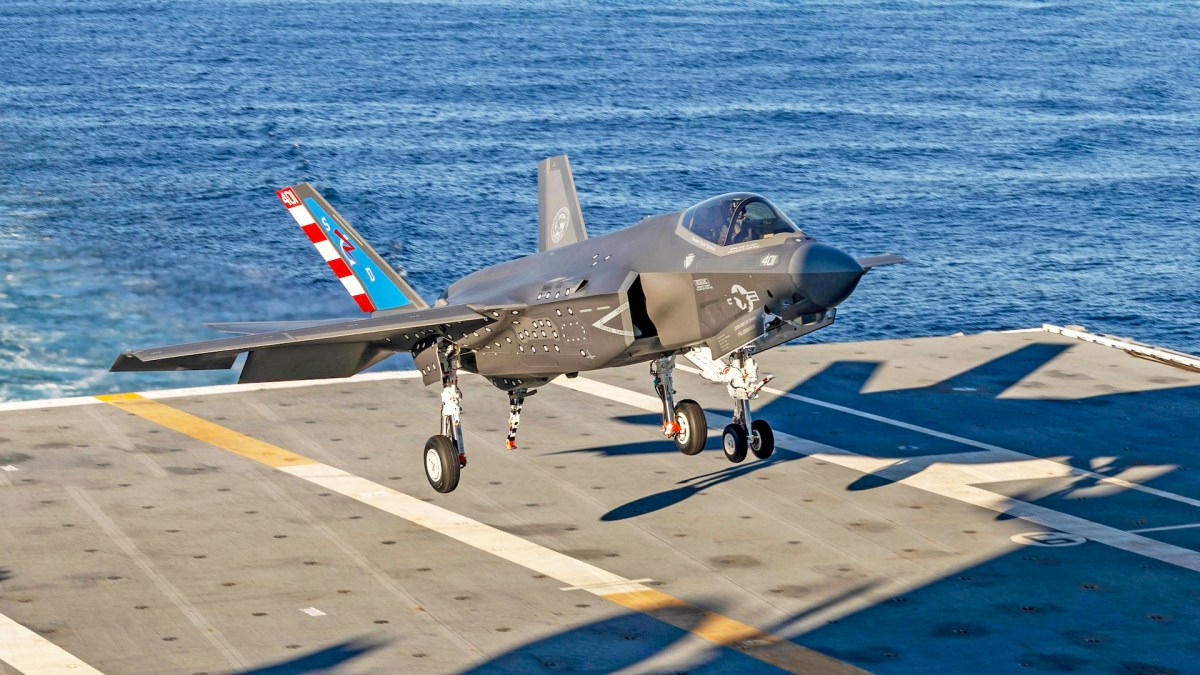
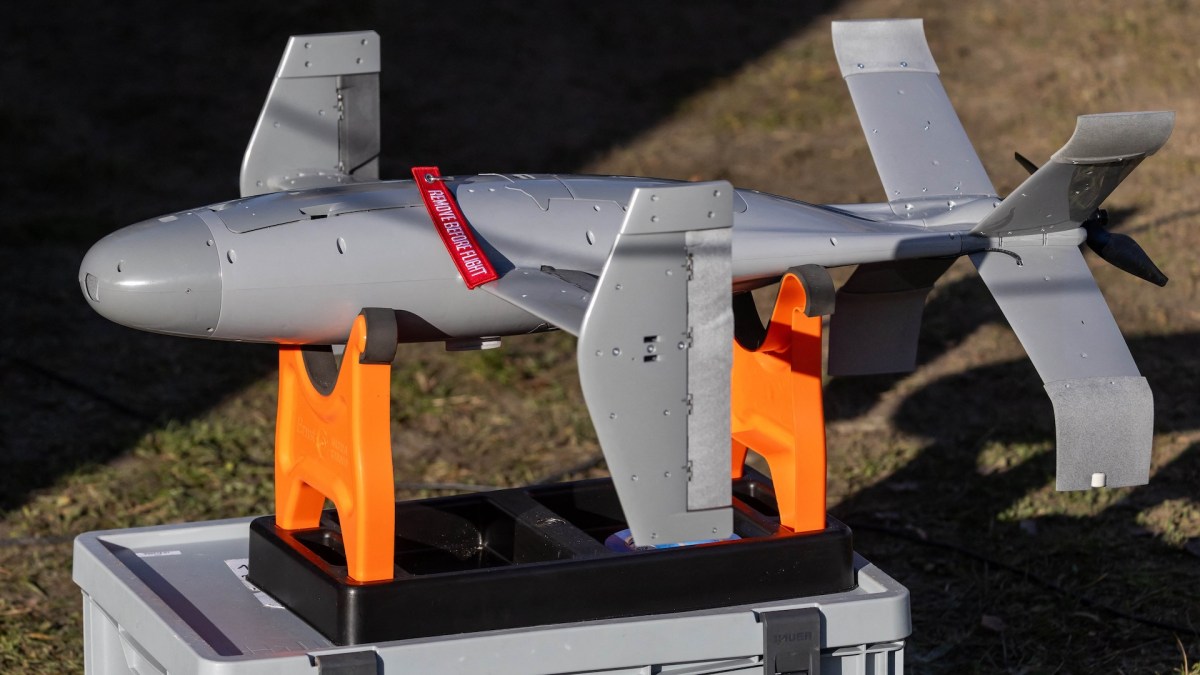
Israel revealed that it struck more than 500 targets across Iran using 200 warplanes in the initial phase of the operation. Targets included air defense systems, missile launchers, command and control centers, and regime facilities. Heavy strikes on Tehran were aimed at securing air superiority, while the United States contributed with its own long-range assets including, for the first time in history, LUCAS kamikaze drones modeled after Iran's own Shahed-136 design.
The scope of the strikes represents the largest combined air campaign in the region since the 2003 invasion of Iraq, with operations spanning targets in western, central, and eastern Iran. Military analysts noted that the coordinated nature of the strikes, targeting both military infrastructure and leadership simultaneously, indicated months of planning between Washington and Jerusalem.
Iran's Retaliatory Response
Iran responded with at least 20 waves of missile attacks over the first 24 hours, launching approximately 150 ballistic missiles at Israel and targets across the Gulf region. Unlike the concentrated barrage during the 2025 confrontation, these attacks came in scattered waves, suggesting damage to Iran's command and coordination infrastructure.
The retaliatory strikes extended far beyond Israel, hitting targets in the United Arab Emirates, Bahrain, Kuwait, Qatar, and Iraq. Notable strikes included hits on the Jebel Ali port in the UAE, Ali Al Salem Air Base in Kuwait, Dubai International Airport, and the Erbil airport in Iraq. Satellite imagery confirmed black smoke rising from the Kuwaiti air base.
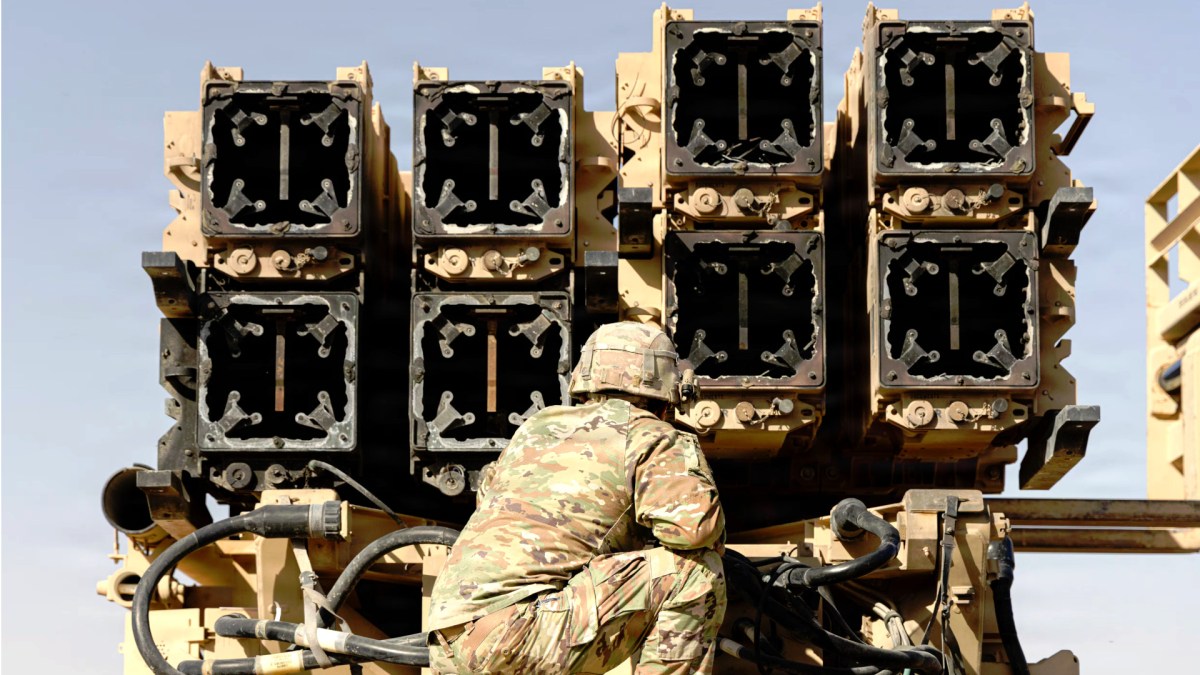
Regional defense systems proved largely effective against the onslaught. The UAE intercepted 132 of 137 ballistic missiles and destroyed 195 of 209 drones. Bahrain intercepted 45 missiles and nine drones, while Qatar's Patriot air defense systems also engaged incoming Iranian missiles.
Leadership Vacuum and Uncertain Future
Khamenei's death has created a profound power vacuum in Tehran. At 86 years old, he had no designated successor, leaving the future of the Islamic Republic in unprecedented uncertainty. Iranian authorities announced plans to establish a temporary leadership council, but the absence of a clear succession plan adds an additional layer of instability to an already volatile situation.
President Trump addressed the situation, stating that things were "much easier now than it was a day ago, obviously, because they are getting beat up badly." He indicated knowledge of who might emerge to lead Iran but declined to share details, suggesting a diplomatic resolution remained possible.
Civilian Impact and Global Response
The conflict has already produced significant civilian consequences. At least 40 buildings were damaged in Tel Aviv from missile strikes, and six people were killed during protests at the U.S. consulate in Pakistan. Pro-Iran demonstrators attempted to breach the Green Zone in Baghdad, and Iran's internet connectivity has dropped to just one percent of normal levels.
CENTCOM moved quickly to deny Iranian claims of significant American casualties, stating that zero U.S. service members had been killed or wounded and that no U.S. Navy vessels had been struck. The military maintained that all American forces in the region retained full operational capability.
What Comes Next
As the conflict enters its third day, attention will focus on whether Iran's military capacity has been sufficiently degraded to prevent further large-scale retaliation, and whether the power vacuum created by Khamenei's death opens a path toward de-escalation or further chaos. The involvement of multiple Gulf states as both targets and defenders has transformed what began as a bilateral conflict into a regional crisis with global implications.
This article is based on reporting by twz.com. Read the original article.
Originally published on twz.com