From Tank Crews to Drone Operators
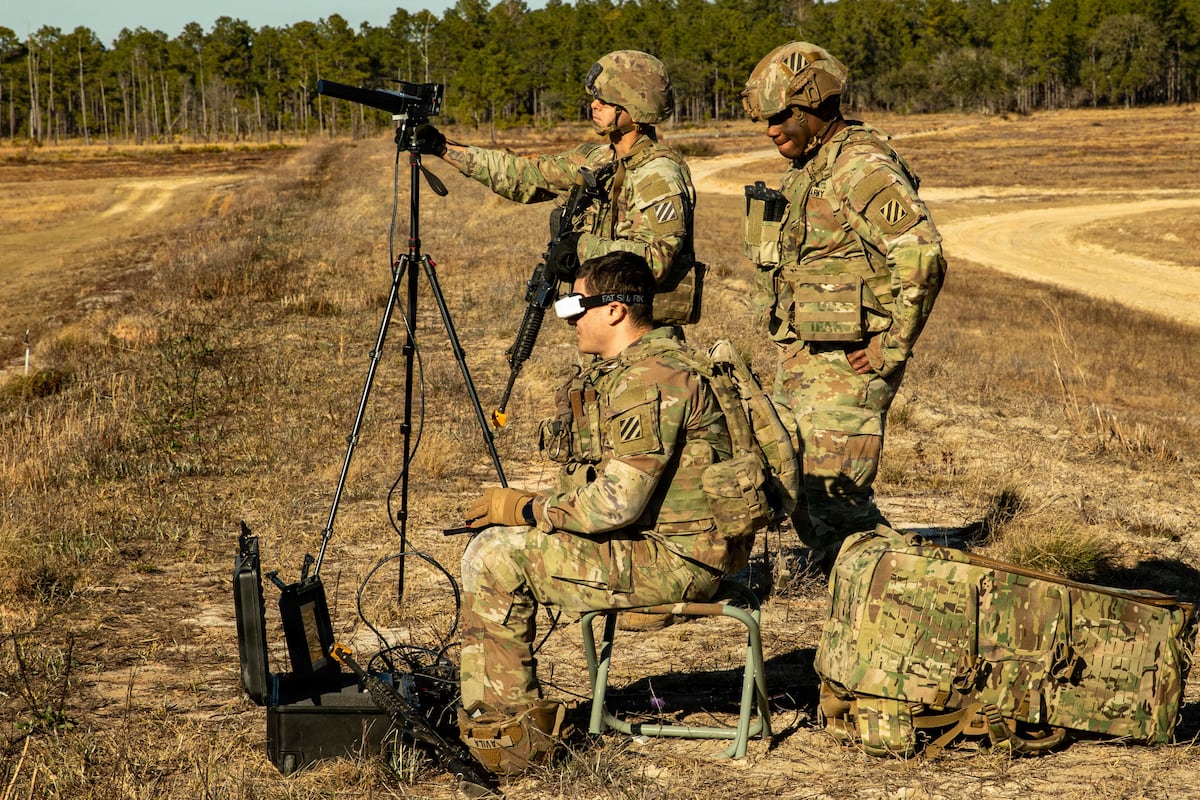
Specialist Lathan Thomley joined the US Army to become a cavalry scout — a role steeped in the tradition of reconnaissance from the saddle of an armored vehicle. Today, he spends hours on a laptop simulator before piloting drones over the sprawling training grounds at Fort Stewart, Georgia. Thomley is one of dozens of junior soldiers at the forefront of the Army's most significant doctrinal shift in a generation.
The program is called Transformation in Contact, or TIC, and it belongs to the 2nd Armored Brigade Combat Team. Its premise is straightforward but radical: the soldiers closest to the fight — not generals in distant headquarters — should be the ones experimenting with new drone capabilities and helping to rewrite the Army's playbook for armored combat.
Lessons Written in Ukrainian Soil
The impetus for TIC comes directly from the battlefields of eastern Ukraine, where the war between Russia and Ukraine has produced a brutal education in what modern combined-arms warfare actually looks like. Cheap commercial drones, modified to drop grenades or packed with explosives for kamikaze strikes, have destroyed hundreds of tanks, infantry fighting vehicles, and armored personnel carriers on both sides of the conflict.
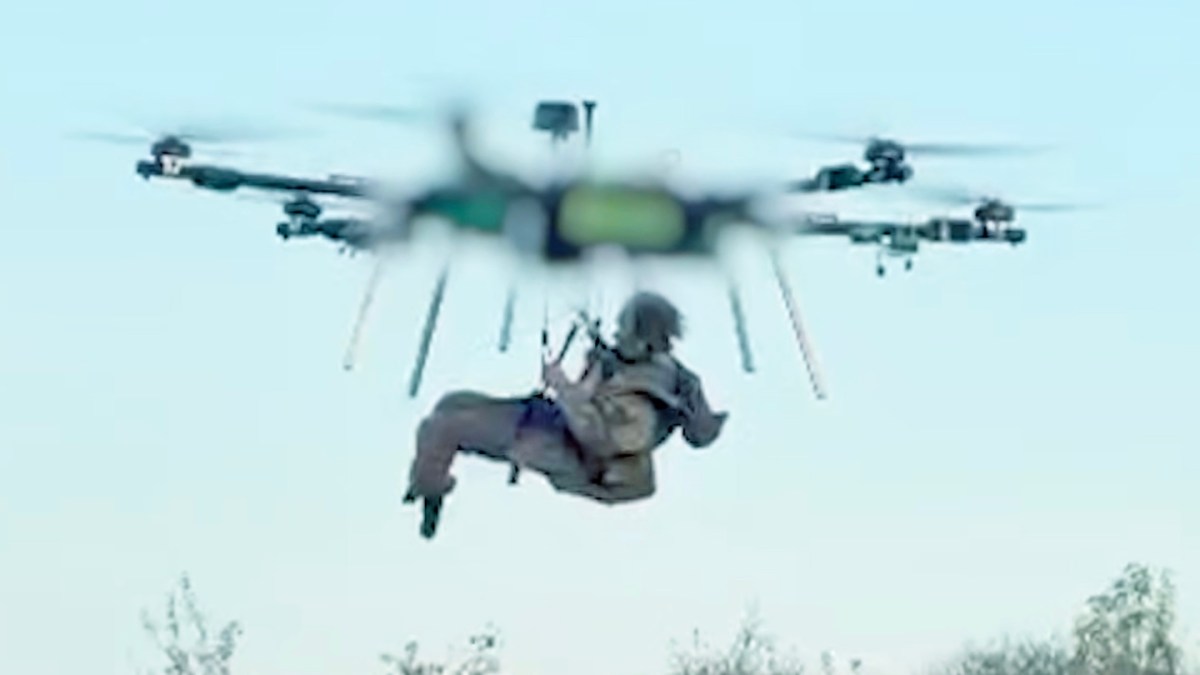
The footage is impossible to ignore. First-person-view drones costing a few hundred dollars have been filmed threading through tree canopy to strike the vulnerable top armor of main battle tanks worth millions. Entire armored columns have been halted or destroyed by small teams operating consumer-grade quadcopters. The lesson is stark: in the age of ubiquitous small drones, heavy armor alone no longer guarantees survivability or battlefield dominance.
For the US Army, which has invested decades and hundreds of billions of dollars in armored platforms like the M1 Abrams tank and the Bradley Fighting Vehicle, this is an existential question. It does not mean tanks are obsolete — Ukrainian forces still employ them effectively — but it means the way armored units fight must change fundamentally.
Bottom-Up Innovation
What makes TIC unusual within the traditionally top-down military hierarchy is its emphasis on bottom-up experimentation. Junior enlisted soldiers and noncommissioned officers are given latitude to test new drone tactics, report what works and what fails, and feed those observations directly into doctrinal discussions.
This approach mirrors what has made Ukrainian forces so effective with drones: decentralized initiative. Ukrainian drone operators frequently improvise tactics in real time, adapting to conditions faster than any centralized planning process could. The US Army is attempting to capture that same agility within its own bureaucratic structure.
- Soldiers train on laptop simulators before flying actual drones in field exercises
- Junior troops drive experimentation rather than waiting for top-down directives
- The program integrates drone operations into traditional armored brigade structures
- Feedback from field tests is channeled directly into updated Army doctrine
Integrating Drones Into Armored Formations
The challenge is not just learning to fly drones. It is integrating drone reconnaissance, electronic warfare, and strike capabilities into formations that were designed around tanks, artillery, and infantry. An armored brigade combat team is a massive organization with thousands of soldiers and hundreds of vehicles. Grafting drone capability onto that force structure requires changes to everything from communications networks to logistics chains to training curricula.
Soldiers need to learn not only how to operate drones but how to use drone-delivered intelligence to make faster tactical decisions. A scout drone that spots an enemy position is only useful if the information reaches the right commander in time to direct fires or maneuver forces. That means upgrading data links, developing new standard operating procedures, and training leaders at every echelon to incorporate real-time drone feeds into their decision-making.
The Broader Implications
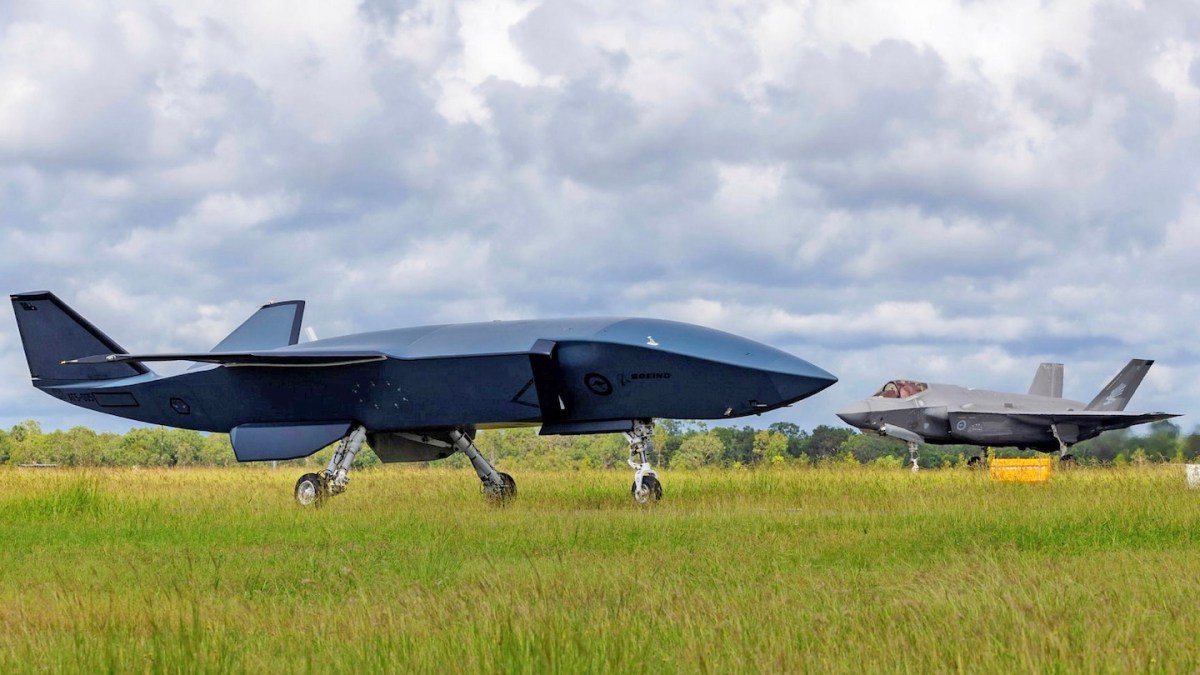
The TIC initiative at Fort Stewart is part of a wider effort across the US military to absorb the lessons of Ukraine before they are learned the hard way in a future conflict. The Marine Corps has reorganized entire units around small drone teams. The Air Force is accelerating its Collaborative Combat Aircraft program to field autonomous wingmen alongside piloted fighters. The Navy is experimenting with unmanned surface vessels.
But the Army's challenge may be the most difficult, because armored warfare sits at the intersection of tradition and transformation. Tanks remain powerful symbols of land combat dominance, and the institutional culture around them runs deep. Convincing an armored brigade that its future depends on soldiers who fly quadcopters as much as they drive Bradleys requires not just new equipment but a new mindset.
The soldiers at Fort Stewart appear to understand the stakes. For Thomley and his peers in the 2nd Armored Brigade, the question is not whether drones will change armored warfare. Ukraine has already answered that. The question is whether the US Army can adapt fast enough.
This article is based on reporting by C4ISRNET. Read the original article.
Originally published on c4isrnet.com