RIMPAC 2026 puts experimentation at the center
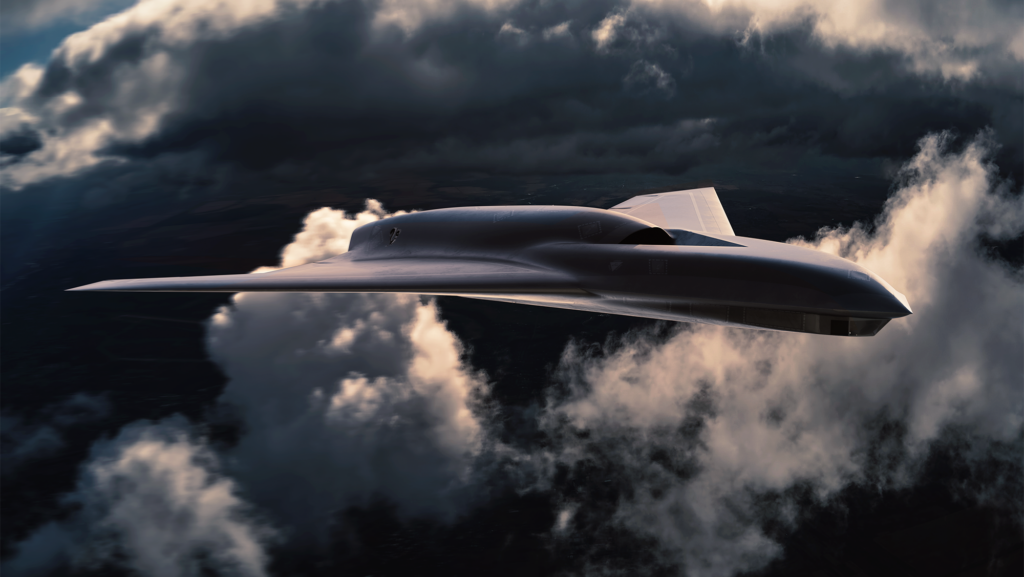
The 2026 edition of the Rim of the Pacific exercise is opening in Hawaii with an explicit emphasis on experimentation, especially around unmanned systems. That focus matters because RIMPAC is not a niche technology demonstration. It is the world’s largest recurring international maritime exercise, and what appears there tends to signal where naval thinking is heading across allied and partner fleets.
Vice Adm. Jeffrey Jablon, the Pacific Fleet’s second-in-command and commander of the combined task force for this year’s exercise, said the event will include 30 to 35 experiments involving unmanned systems. He did not provide operational specifics, but the scale alone is telling. RIMPAC has long been used to practice coalition operations at sea, yet this year’s structure suggests a stronger role for testing how autonomous or remotely operated systems fit into real multinational force design.
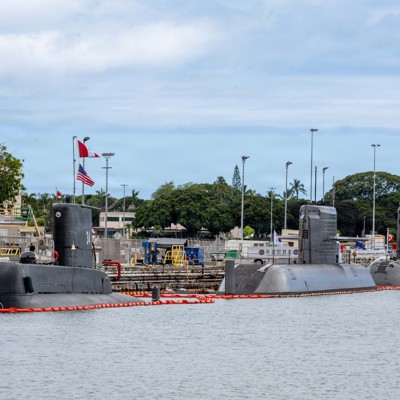
The exercise brings together 30 countries, 31 surface ships, five submarines, nearly 200 aircraft, and roughly 30,000 participants. Those numbers show that the experimentation is not happening in isolation. Unmanned systems are being inserted into one of the most complex combined training environments available, where interoperability, communications, safety, and command relationships matter as much as the hardware itself.
Why the unmanned emphasis matters now
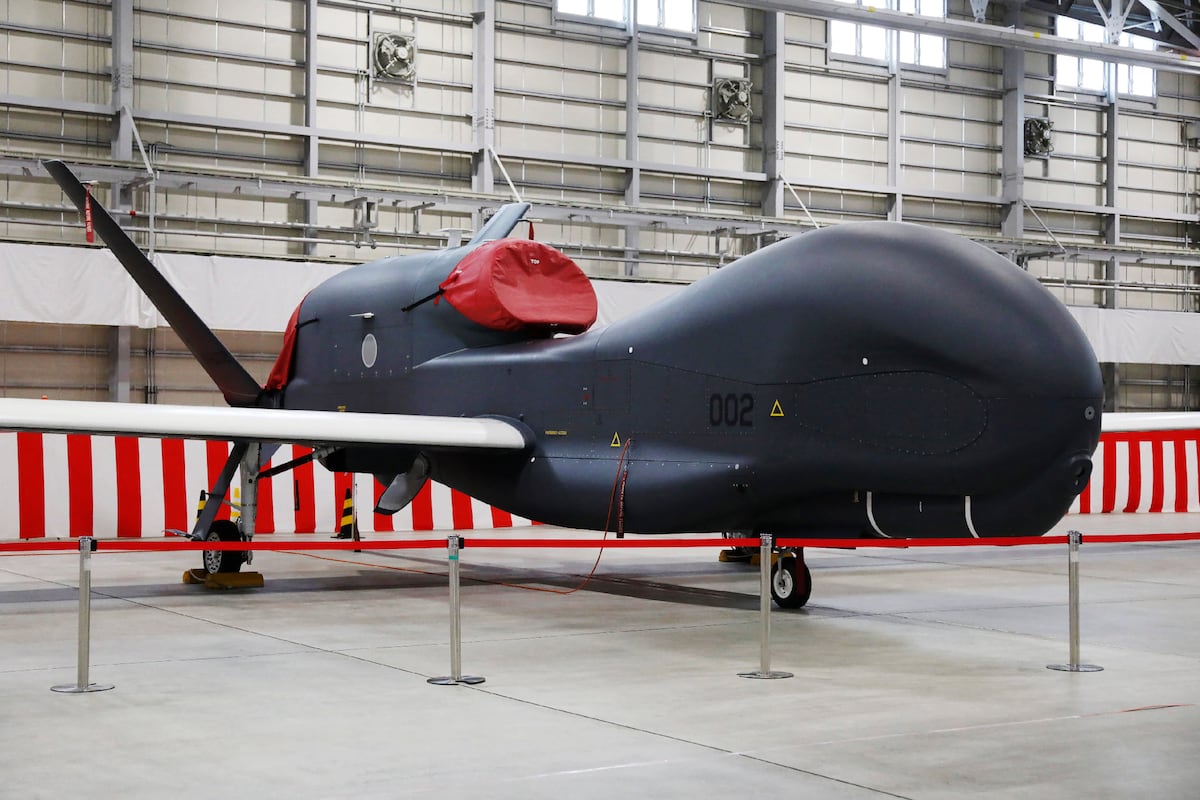
Modern naval forces are under pressure to extend sensing, strike capacity, and persistence without exposing high-value crewed platforms to unnecessary risk. Unmanned maritime and aerial systems are attractive because they can widen surveillance coverage, support targeting, relay communications, and potentially complicate an adversary’s planning at lower cost than traditional ships or aircraft.
Exercises like RIMPAC are where those ideas are tested against operational reality. A drone that performs well in a controlled demonstration may behave very differently when inserted into a crowded coalition exercise involving multiple fleets, languages, doctrines, and command chains. Questions about data-sharing, deconfliction, maintenance, and legal authorities become just as important as endurance or payload. By assigning 30 to 35 experiments to this year’s event, organizers appear to be treating those practical questions as a central mission rather than a side activity.
The theme of the 2026 exercise is “partners: integrated and prepared.” On paper, that slogan highlights the coalition nature of the event. In practice, it points to a more difficult challenge: integrating new systems across allied forces before a crisis forces everyone to improvise. If unmanned systems are going to matter in future Indo-Pacific operations, navies cannot wait to solve interoperability problems after a conflict starts.
That is one reason the leadership structure for the exercise is worth noting. Jablon emphasized the multinational command arrangement, with a Chilean navy officer serving as deputy commander, a Japan Maritime Self-Defense Force officer as vice commander, a Korean navy officer as maritime component commander, and a Royal Canadian Navy officer as air component commander. This is not just symbolism. It reflects the reality that any major regional operation would depend on coordination among partners with different strengths, capabilities, and procurement timelines.
Technology, deterrence, and messaging
RIMPAC inevitably draws attention because of the broader Indo-Pacific security environment, especially concerns about China and the military balance in the region. Jablon said the exercise is not about any one country and should not be viewed as a deterrent targeted at a single state. That is a standard and diplomatically useful position for a multinational exercise, particularly one that depends on broad participation and political support across many capitals.
Still, the context is hard to ignore. Indo-Pacific planning increasingly centers on contested logistics, dispersed operations, maritime surveillance, and the need to respond quickly across large distances. Those are exactly the kinds of problems unmanned systems are expected to help address. So even if RIMPAC is not framed as a message to one adversary, the decision to spotlight experimentation with drones and related systems carries strategic meaning.
Jablon also said the war with Iran had no effect on the U.S. contribution to the exercise, noting that the United States is bringing the same level of forces it normally would. That remark is important because it signals continuity in U.S. planning and reassurance for partners. Large coalition exercises are not just about tactical rehearsal. They are about demonstrating reliability, readiness, and the ability to maintain focus across theaters.
The closing phase of the exercise will include the sinking of two decommissioned U.S. Navy ships, a longstanding and visually dramatic feature of major naval exercises. While those sink exercises often capture public attention, the more consequential takeaway this year may be less visible: the attempt to determine how unmanned systems can move from experimental add-ons to routine elements of coalition maritime operations.
From experimentation to doctrine
The outcome to watch is not whether every individual test succeeds. In military exercises, useful failure can be as valuable as smooth performance if it exposes doctrinal or technical gaps early. What matters is whether RIMPAC 2026 produces evidence that allied forces can employ unmanned systems in ways that are operationally credible, safe, and interoperable at scale.
If the experiments identify workable concepts, they could shape procurement priorities, training standards, and future combined exercises. If they expose friction points, those lessons may be even more valuable, because coalition operations depend on solving integration problems before they become battlefield liabilities. Either result would make this RIMPAC more than a routine gathering of ships and aircraft.
That is why the exercise’s experimental focus deserves attention. Naval modernization is often discussed in terms of future fleets, shipbuilding plans, and headline platforms. But operational change usually arrives through repeated testing, adaptation, and coalition rehearsal. By dedicating dozens of experiments to unmanned systems inside a large multinational exercise, RIMPAC 2026 is serving as a live laboratory for how maritime forces may fight, coordinate, and distribute risk in the years ahead.
For allied navies, the question is no longer whether unmanned systems belong in the force. The question is how quickly they can be integrated into shared operations without creating new weaknesses. This year’s RIMPAC is one of the clearest signs yet that the answer will be shaped not only by technology developers, but by the hard work of multinational experimentation at sea.
This article is based on reporting by Defense One. Read the original article.
Originally published on defenseone.com