The Claim and the Denial
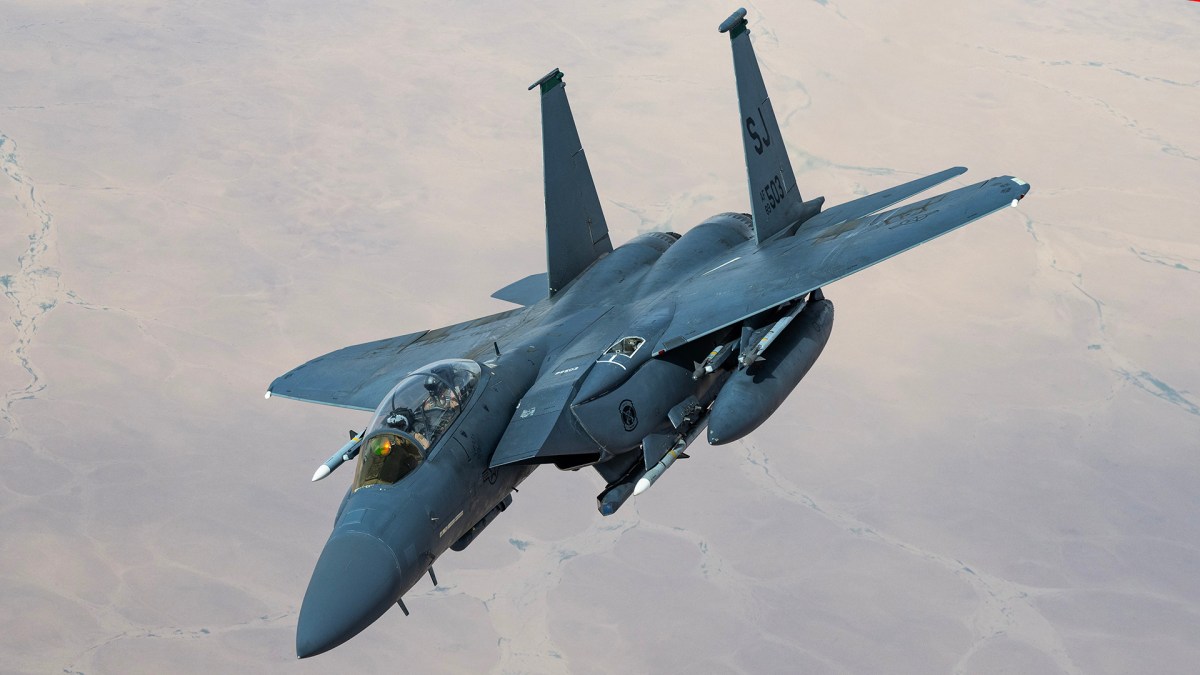
The U.S. Department of Defense has issued a categorical denial following claims that an American F-15E Strike Eagle fighter jet was shot down during military operations over Iran. The denial came after reports began circulating on social media and through Iranian state media asserting that Iranian air defenses had successfully engaged and destroyed a U.S. combat aircraft. The Pentagon stated unequivocally that all American aircraft involved in operations had returned safely to their bases.
The incident highlights the intense information warfare surrounding the ongoing U.S.-Iran military confrontation, where claims and counterclaims about operational outcomes move at the speed of social media, often outpacing official confirmation or denial. Military analysts note that both sides have strong incentives to shape the narrative — Iran to project the image of effective resistance against American air power, and the United States to maintain the perception of uncontested operational capability.
The F-15E in Current Operations
The F-15E Strike Eagle has been a primary platform for U.S. air operations in the region. The twin-seat, twin-engine fighter-bomber combines long range, heavy payload capacity, and advanced targeting systems that make it well-suited for precision strike missions in contested environments. The aircraft has seen continuous combat deployment in various Middle Eastern operations for over three decades, with an exceptional combat record that includes no air-to-air losses.
Current operations over Iran represent one of the most challenging environments the F-15E has operated in. Iran possesses a layered air defense network that includes both domestically produced systems and older Russian-origin equipment. While U.S. military officials have expressed confidence in their ability to suppress and defeat these defenses, the threat environment is significantly more complex than the permissive skies over Iraq and Syria where the Strike Eagle has primarily operated in recent years.
Iran's Air Defense Capabilities
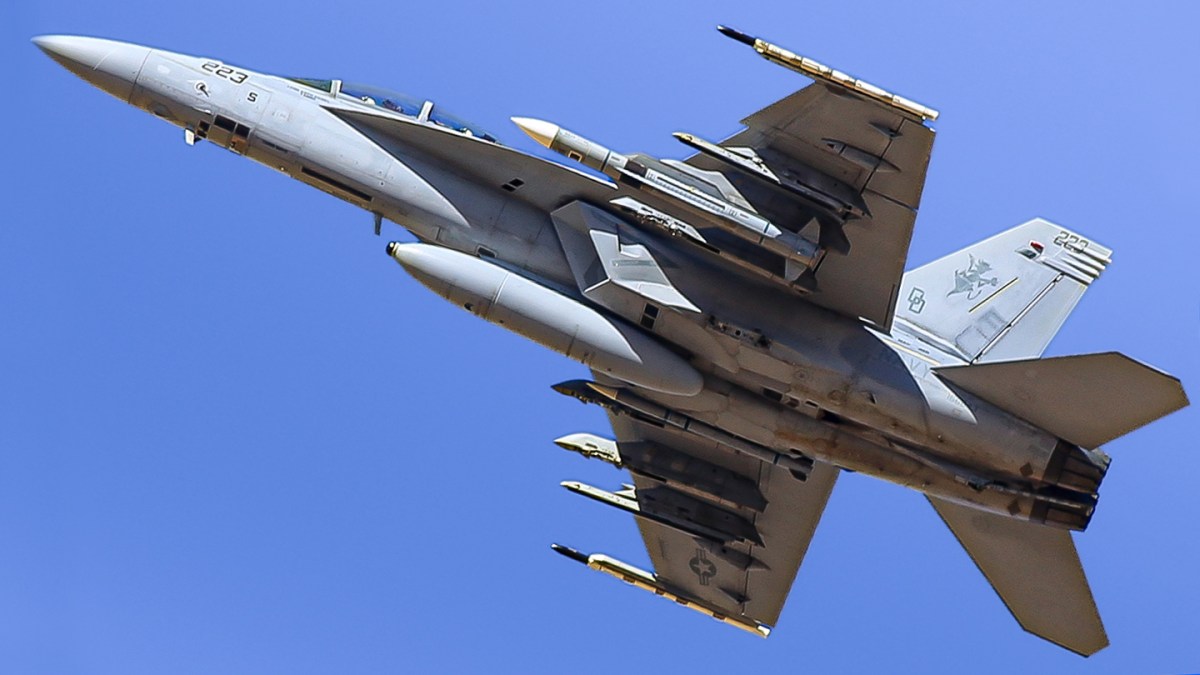
Iran has invested heavily in developing and deploying air defense systems over the past two decades, particularly following the observation of U.S. air campaigns in neighboring countries. The country's air defense network includes the domestically developed Bavar-373 long-range system, which Iran describes as comparable to the Russian S-300, as well as medium-range systems like the Khordad-15 and short-range point defense systems protecting critical infrastructure.
Western intelligence assessments have consistently evaluated Iran's air defenses as capable of engaging high-flying aircraft at significant ranges but potentially vulnerable to the electronic warfare and stealth capabilities employed by U.S. forces during the opening phases of air operations. The effectiveness of Iran's air defenses in actual combat against modern U.S. tactics and technology has been a subject of intense debate among military analysts, with some arguing that Iran's systems are less capable than claimed and others cautioning against underestimating a densely layered defensive network.
The Information War
The dispute over whether an aircraft was downed illustrates a broader pattern in modern military conflicts, where information operations have become as important as kinetic operations. Iranian state media has a documented history of exaggerating claims about military successes, including during exchanges with U.S. forces in previous confrontations. The United States, for its part, has sometimes been slow to acknowledge losses or incidents that contradict preferred narratives about operational dominance.
Social media amplifies these dynamics by allowing unverified claims to reach global audiences within minutes. Open-source intelligence analysts attempt to adjudicate competing claims by examining satellite imagery, flight tracking data, and debris evidence, but these investigations take time — far more time than it takes for a false claim to become entrenched in public perception. The F-15E claim follows this pattern, with definitive evidence likely to remain elusive for some time even as both sides project certainty.
Operational Implications
Regardless of the specific claim's veracity, the incident underscores the risks inherent in sustained air operations over a country with significant air defense capabilities. Even if no aircraft has been lost, the threat environment demands intensive suppression of enemy air defenses, electronic warfare support, and careful mission planning that limits exposure to the most dangerous threat systems. These requirements constrain the tempo and flexibility of air operations compared to campaigns conducted over adversaries with limited air defense capabilities.
The U.S. military's response to the claim — a rapid and unambiguous denial — reflects an understanding that perceptions of vulnerability can have strategic consequences beyond the tactical level. Allied confidence, domestic political support, and adversary calculations all depend partly on the perceived effectiveness and survivability of American military operations. For now, the Pentagon's position is clear: the F-15E fleet remains intact and operational.
This article is based on reporting by twz.com. Read the original article.
Originally published on twz.com