US supply strain is reaching Europe’s eastern edge
The governments of Estonia and Lithuania say the United States has warned of possible delays in weapons and ammunition deliveries linked to the Iran war, a development that could complicate military procurement plans in one of NATO’s most exposed regions. The comments, made during an April 17 joint press conference and reported by Defense News, are the clearest public indication yet that the conflict’s logistics burden may be affecting European rearmament schedules.
For the Baltic states, even modest slippage matters. Estonia, Latvia, and Lithuania have spent heavily in recent years to accelerate modernization and deepen interoperability with US and NATO systems. Delays in deliveries do not automatically translate into a strategic rupture, but they do raise questions about timing, substitution, and how smaller allied militaries manage dependency on American supply chains during periods of crisis.
What Baltic leaders said
Estonian Prime Minister Kristen Michal said the US had informed his government of the situation and that discussions were underway on how to address the resulting supply challenges. He emphasized that the United States remains Estonia’s biggest ally and noted that US troops are present and ties remain strong.
Lithuanian Prime Minister Inga Ruginienė said her government did not yet see “a big problem so far” with planned deliveries, but confirmed that Vilnius had also been informed that some deadlines were moving. Latvian Prime Minister Evika Siliņa said her government had not been officially informed of schedule changes, while acknowledging the wider reports and watching developments closely.
The three statements together paint a picture of uncertainty rather than breakdown. There is no indication in the source material that deliveries have been cancelled. But the public admission that schedules may slip is enough to create planning friction for militaries operating on compressed modernization timelines.
HIMARS ammunition is a particular concern
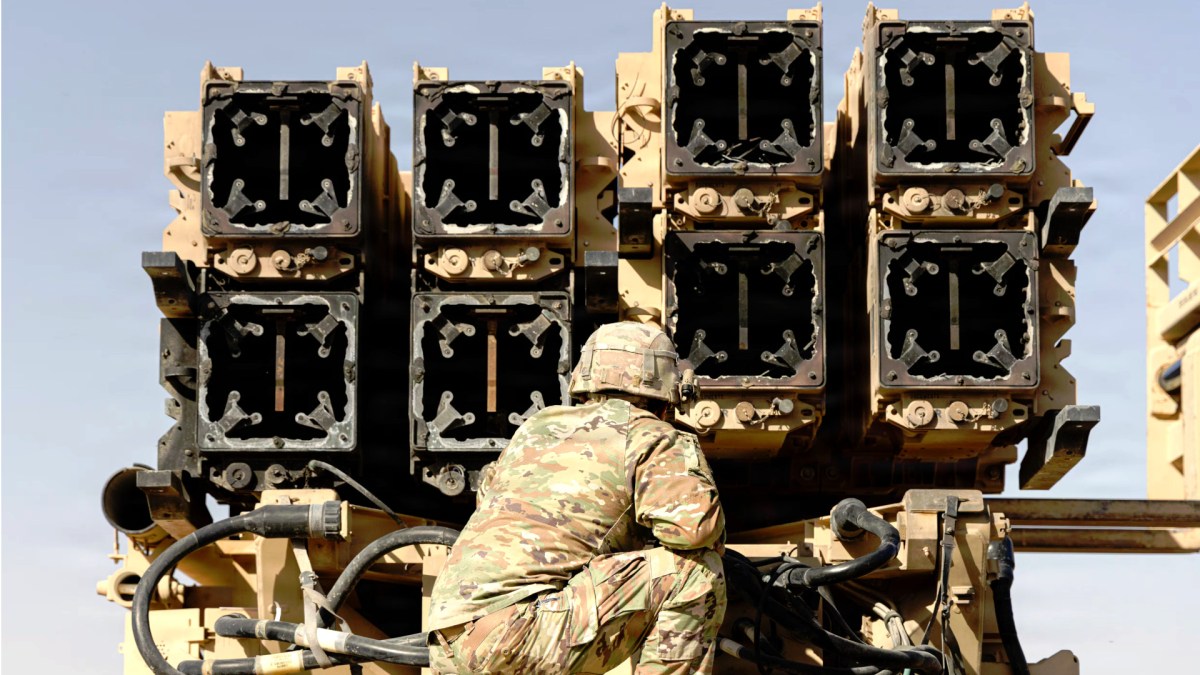
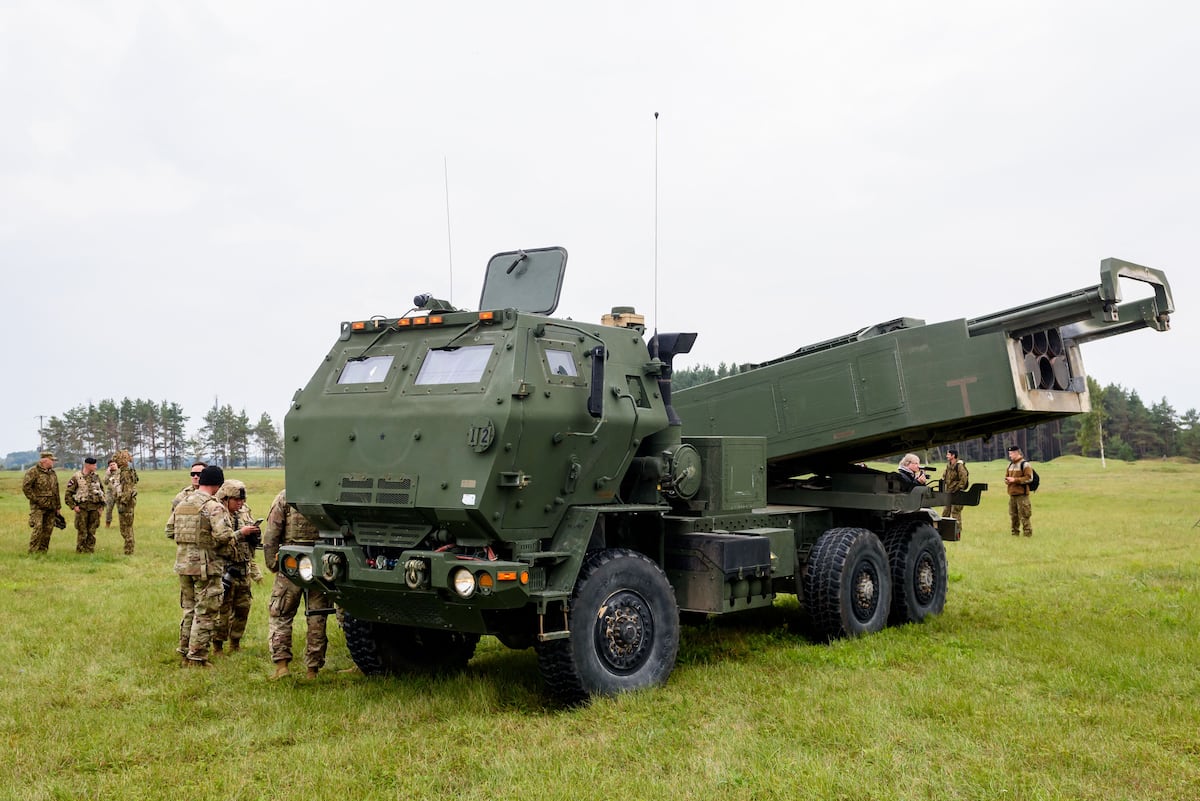
In Estonia, the main worry appears to center on ammunition for the M142 High Mobility Artillery Rocket System, or HIMARS. Defense Minister Hanno Pevkur told local broadcaster ERR that ammunition deliveries had been put on hold and that Estonia was trying to determine whether the problem would affect all allies equally and whether exceptions might be made.
That concern is especially significant because Estonia only received the first six HIMARS it ordered in 2022 during April 2025, and earlier this month placed an order for three more systems, scheduled for delivery in 2027. Ammunition delays would not negate the acquisition, but they could weaken near-term operational readiness and complicate planning for training, deterrence, and stockpiling.
Pevkur also pointed to a possible fallback: in theory, HIMARS could use ammunition from other manufacturers. But he said doing so would require permission from Lockheed Martin and the US government. That caveat reveals a deeper issue in alliance procurement. Owning a launcher does not guarantee flexibility if certification, licensing, and political approval still sit elsewhere.
A stress test for allied procurement
The Baltic states are far from alone in worrying about schedule changes. Defense News notes recent reports of potential US delivery delays affecting other European countries, including in Scandinavia. The pattern suggests a broader stress test for the model under which European allies rely on American capacity for both systems and sustainment.
That does not imply the United States is retreating from Europe. In fact, Baltic leaders went out of their way to affirm Washington’s importance. But it does expose the difference between alliance commitment and industrial availability. A country can remain politically committed while its production lines, transportation networks, or prioritization decisions become constrained by another theater.
For the Baltic states, that distinction is acute. Their deterrence posture depends not only on formal guarantees, but on confidence that high-end systems and munitions can be delivered on schedule and replenished under pressure. When uncertainty appears in that pipeline, even temporarily, it can reopen debates about diversification and local resilience.
The bigger strategic question
The immediate issue is whether shipments slip and by how much. The larger question is whether frontline European states can afford procurement models that leave key options gated by distant production bottlenecks and third-party approvals. Estonia’s discussion of alternative HIMARS ammunition captures the dilemma: backup paths may exist, but they are not necessarily sovereign.
That does not mean Baltic governments are about to abandon US defense ties. The source material supports the opposite conclusion. But it does show that the Iran war is now influencing planning choices well beyond the Middle East. If delays deepen, allied governments may face a harder conversation about diversification, stockpiles, and how much strategic autonomy is needed even inside a tight alliance system.
This article is based on reporting by Defense News. Read the original article.
Originally published on defensenews.com