L3Harris expands its pitch for modular launched effects
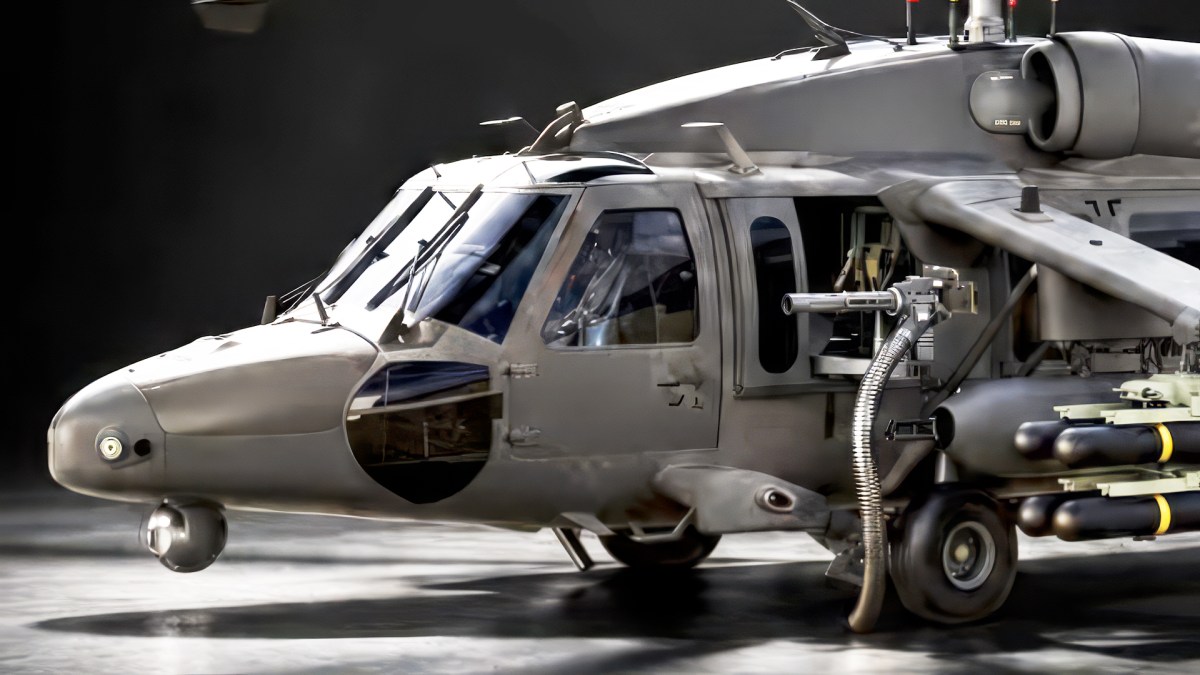
L3Harris is making a new case for its Wolf Pack family of modular launched effects vehicles, this time aimed squarely at the U.S. Army’s rotary-wing fleet. According to remarks reported from the Army Aviation Association of America’s Army Aviation Warfighting Summit in Nashville, the company sees roles for the system on both H-60 Black Hawk variants and AH-64 Apache helicopters.
The proposal reflects a broader defense trend that has gathered speed over the last several years: the search for weapons and semi-autonomous systems that are cheaper, more numerous, and more adaptable than traditional precision munitions. In the language increasingly used across the Pentagon, the goal is “affordable mass.” Rather than relying only on a smaller inventory of highly expensive weapons, the military is looking for ways to field large numbers of capable systems without exhausting budgets or stockpiles.
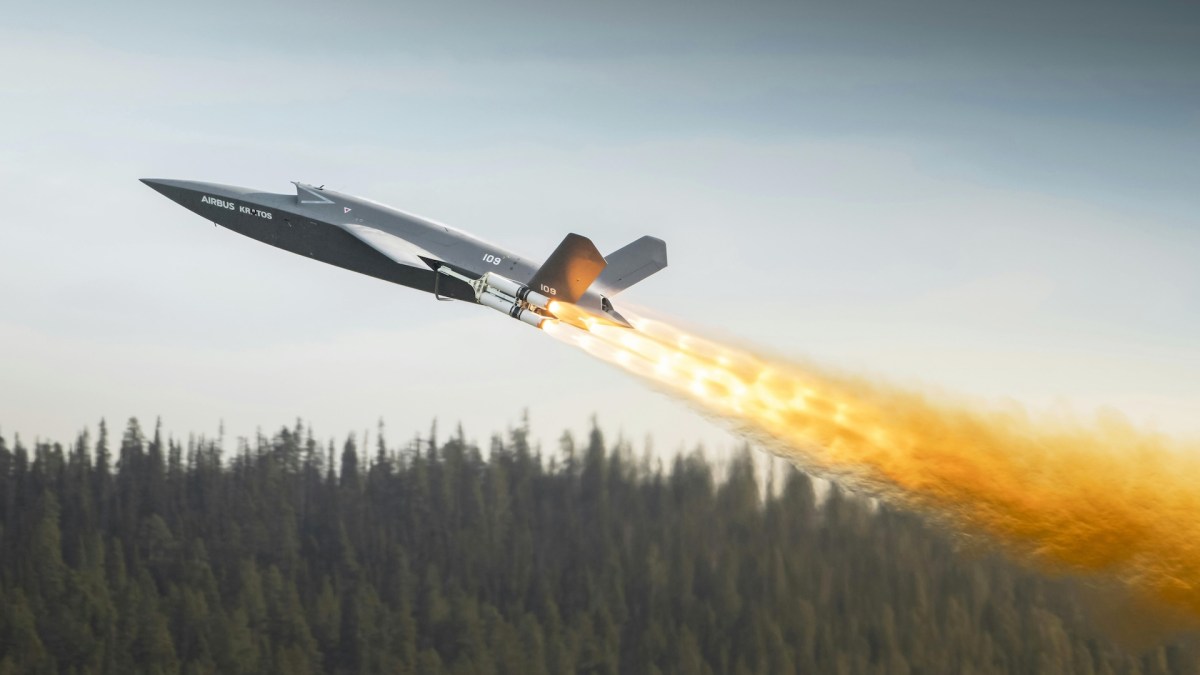
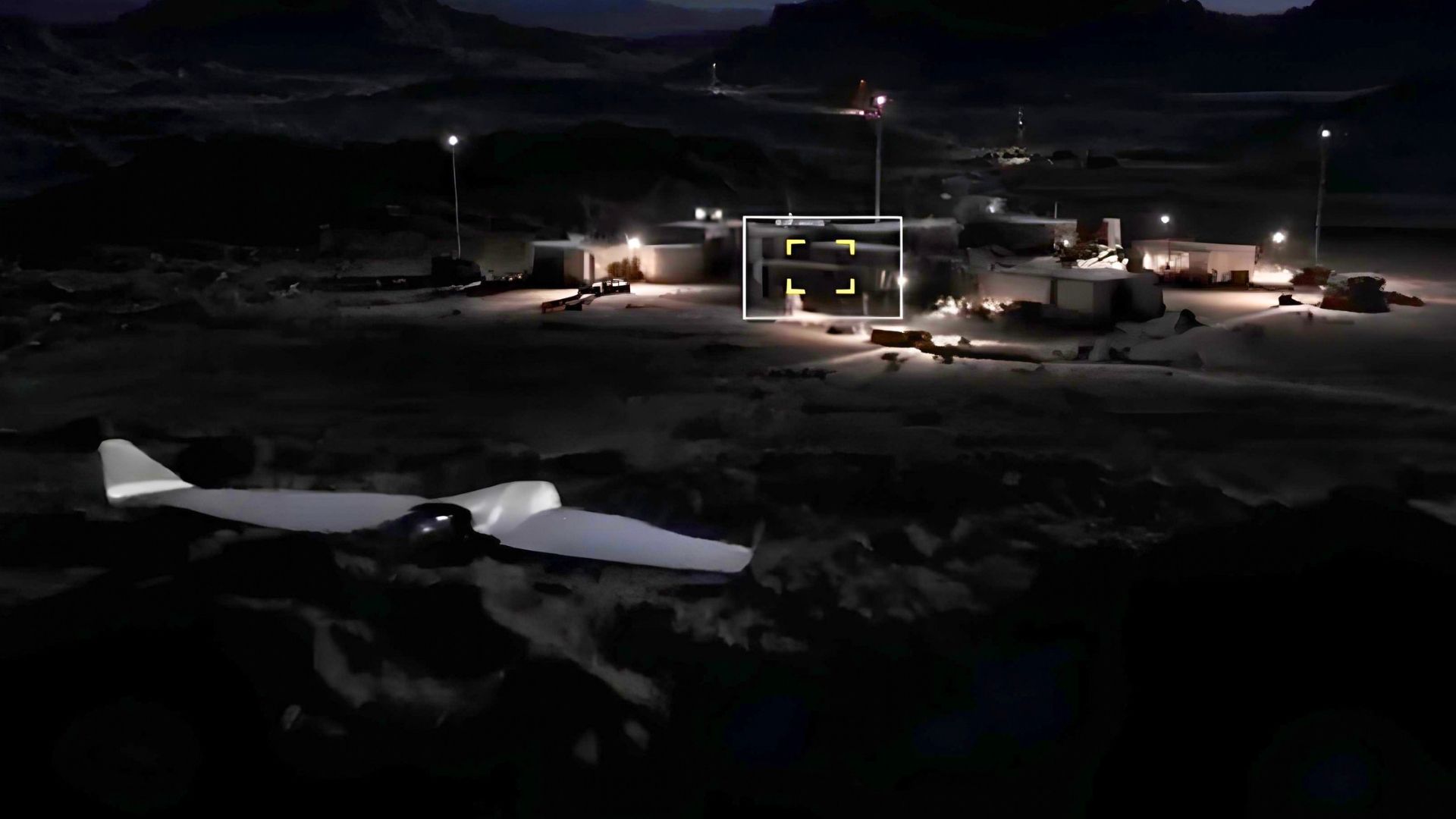
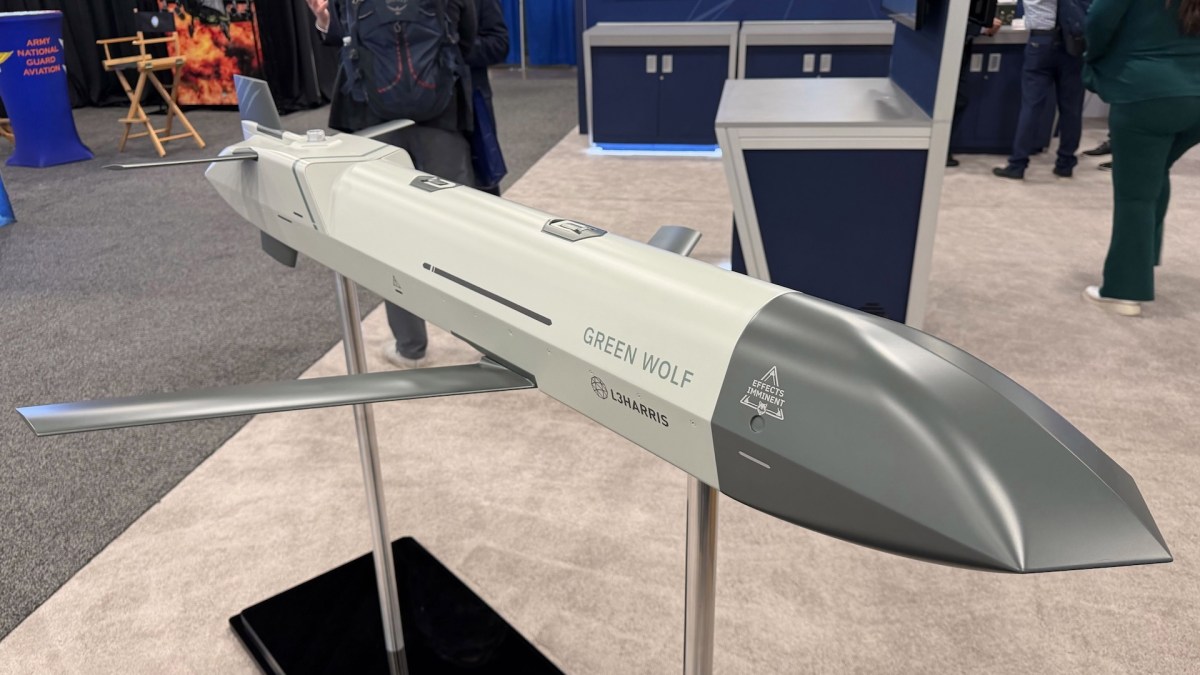
The Wolf Pack concept fits directly into that push. The family includes Red Wolf, configured for long-range precision strike against land or sea targets, and Green Wolf, fitted with an electronic warfare payload. Together they sit in a category that increasingly blurs conventional boundaries: part cruise missile, part uncrewed aircraft, part decoy, and part adaptable launched effect.
Why helicopters are being drawn into the concept
Bringing systems like Wolf Pack to Army helicopters would extend the launched-effects idea beyond ground launchers and other platforms into a part of the force that is already valued for flexibility. Apache and Black Hawk aircraft can reposition quickly, operate across dispersed areas, and support a range of mission sets. Pairing them with modular long-range effects could expand their role in contested environments without requiring each aircraft to rely solely on traditional direct-attack weapons.
The company’s messaging, as quoted by The War Zone, ties the effort to the demands of a future conflict in the Pacific. That theater presents distinct operational challenges, including distance, logistics, and the need to distribute combat power. In such a setting, systems that can be bought in quantity and adapted for different effects may be especially attractive.
This is also why the discussion is not limited to strike alone. The existence of both Red Wolf and Green Wolf indicates a family approach in which common air vehicles could carry different payloads for different roles. Precision attack and electronic warfare are not interchangeable missions, but common modular architecture could simplify production and provide commanders more flexibility in how they generate effects.
The Pentagon’s “affordable mass” problem
One of the more revealing details in the source report is the emphasis placed on quantity. Brad Reeves, director of strategy and requirements for the Agile Development Group at L3Harris, framed the issue in terms of the military needing capability it can buy “in quantity without breaking the bank.” That is the core tension facing defense planners. Exquisite systems can be highly capable, but they are often expensive enough that inventories become limited and replacement in wartime becomes difficult.
Launched effects are being promoted as one answer to that tension. The idea is not simply to buy cheaper weapons, but to buy enough adaptable systems that commanders can generate strike, sensing, deception, or electronic warfare effects at meaningful scale. That matters in scenarios where attrition, distance, and rapid operational change all work against small high-cost inventories.
The report also notes that Secretary Hegseth issued a memo on April 30 of last year specifically calling out launched effects and the urgency of fielding them beginning this year. Whether or not any one product becomes the Army’s preferred option, the policy signal is clear: this is an area with institutional momentum behind it.
A family approach instead of a single missile
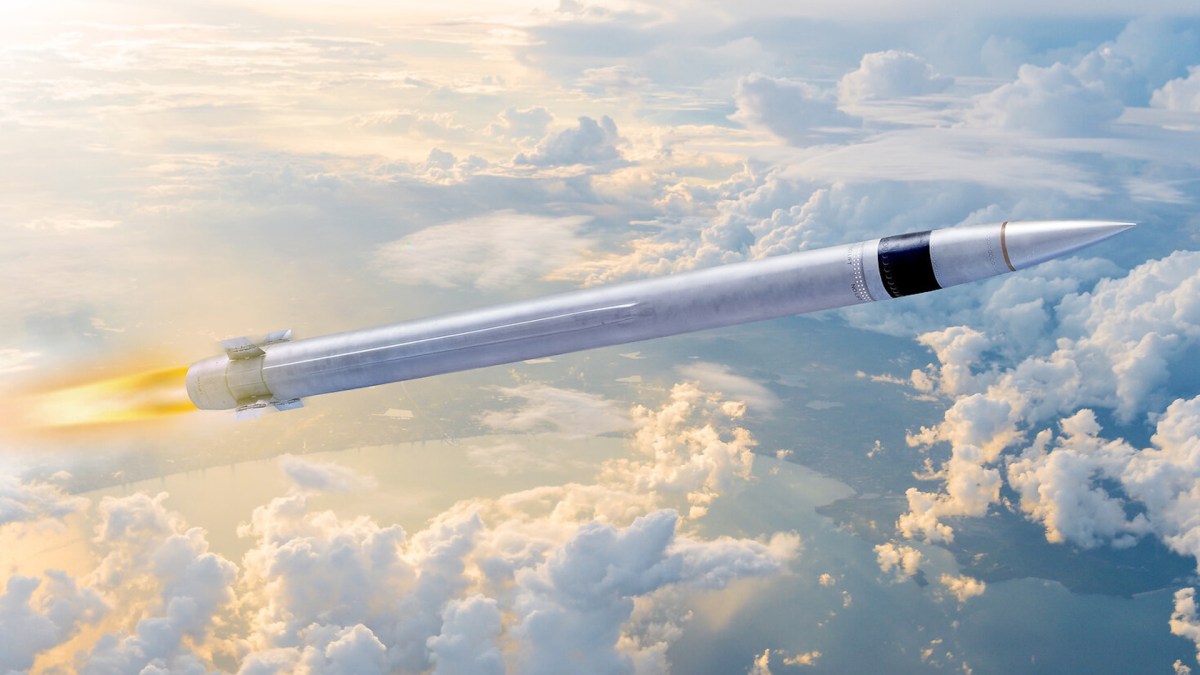
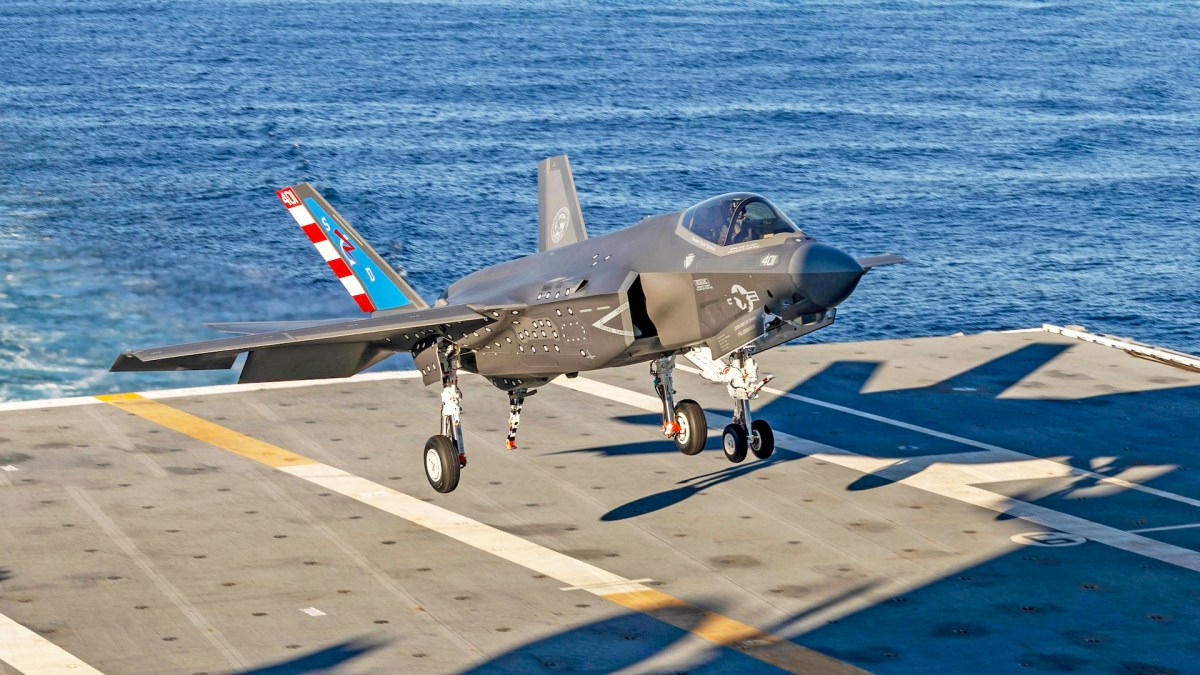
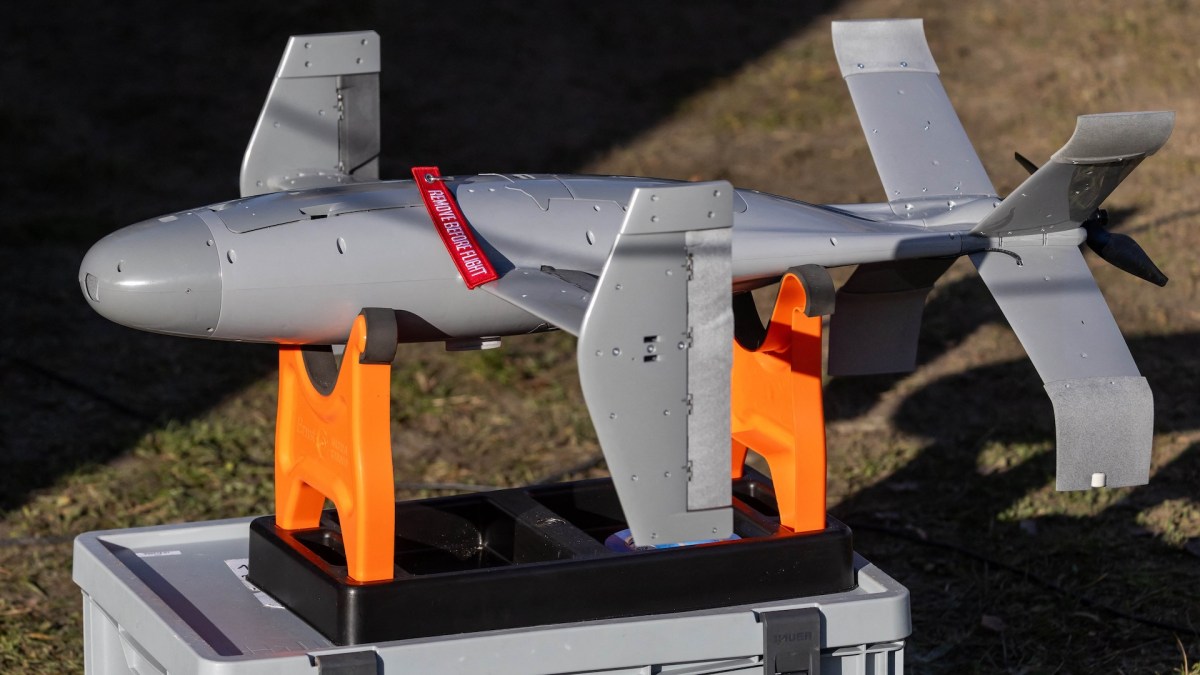
L3Harris’s pitch is strengthened by the fact that Wolf Pack is not being offered as a one-off. The company is already under contract with the U.S. Marine Corps to deliver the related Precision Attack Strike Munition, or PASM. That gives the Army pitch more credibility because it suggests the technology is connected to an existing acquisition pathway rather than only a concept image and a conference argument.
The “family” framing is also useful because modern defense buyers increasingly want systems that can evolve. A modular vehicle able to carry different payloads can serve multiple missions, and a shared baseline design can ease upgrades over time. In practice, that may reduce the need to build entirely separate systems for every role.
For Army aviation, that could open a pathway in which helicopters launch effects vehicles rather than having to close directly with every target. In a heavily contested battlespace, adding standoff options can matter as much as adding firepower. The exact integration path, procurement timing, and operational doctrine remain unclear from the source text, but the direction of travel is evident.
Why this matters now
The U.S. military is in a period where the definition of a useful weapon is broadening. Systems once sorted neatly into categories like missile, drone, loitering munition, or decoy are converging. What matters more now is the effect produced, the cost of producing it, and the number of units that can be fielded.
That is the backdrop for the Wolf Pack proposal. If the Army embraces helicopter-launched modular effects, it would reinforce a wider shift toward flexible, quantity-focused systems optimized for distributed operations. It would also signal that rotorcraft are being asked to do more than provide transport, close attack, or reconnaissance in traditional terms. They could become launch platforms for a wider menu of stand-in and standoff effects.
What to watch next
- Whether the Army publicly signals interest in Apache or Black Hawk integration.
- How Wolf Pack compares with other launched-effects efforts competing for attention and funding.
- Whether operational concepts in the Pacific continue to drive procurement decisions around affordable mass.
- How closely Army requirements align with the Marine Corps work already underway on PASM.
L3Harris is pitching Wolf Pack at the right moment: a time when the Pentagon wants more adaptable capability at lower unit cost and in greater numbers. The open question is no longer whether the military wants launched effects. It is which systems it will choose, how quickly it will field them, and which platforms will carry them into service first.
This article is based on reporting by twz.com. Read the original article.
Originally published on twz.com