A conference floor sketch of naval priorities
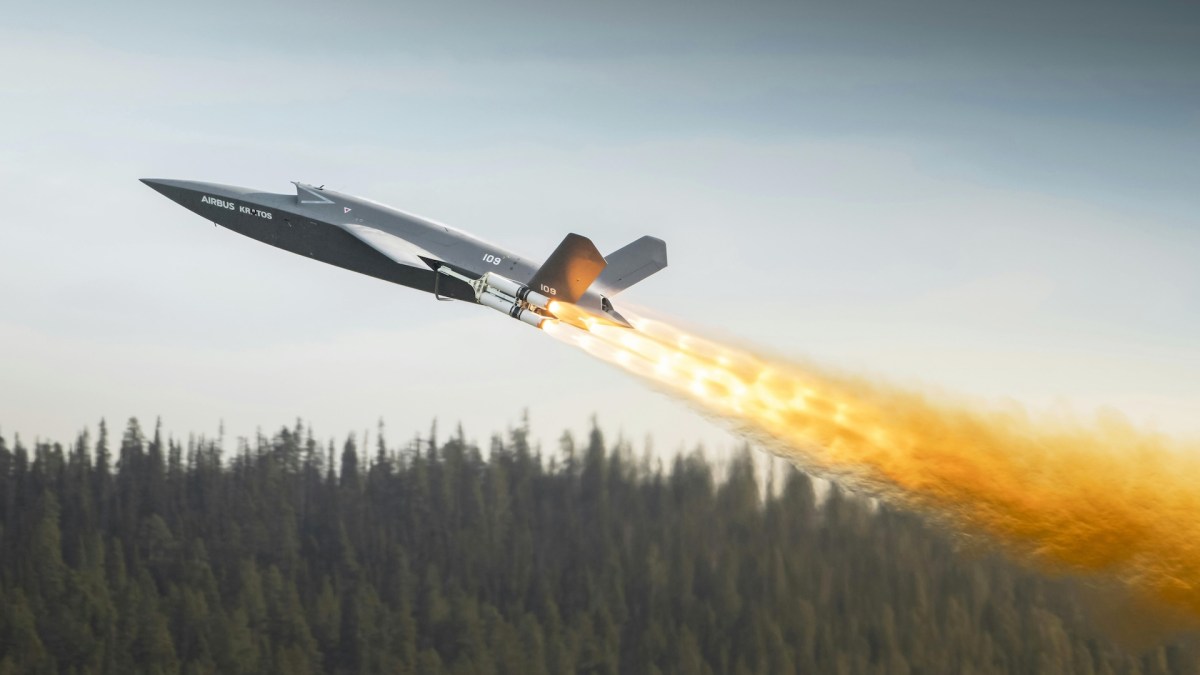
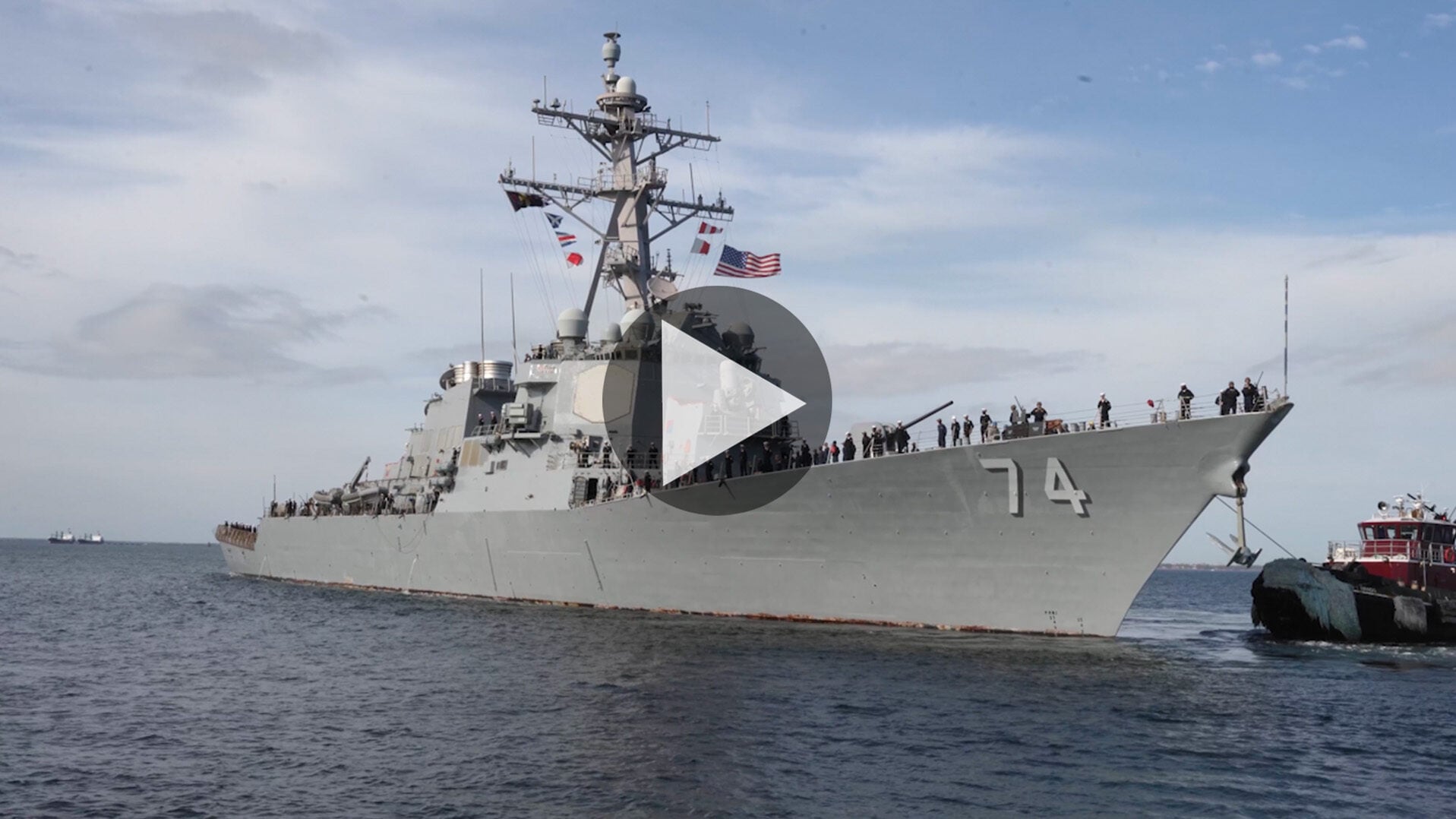
The first day of the Navy League’s Sea Air Space 2026 conference offered only a partial picture, but it was a revealing one. In Breaking Defense’s wrap-up from National Harbor, Maryland, two themes stood above the rest: a new timeline around the Navy’s F/A-XX effort and growing interest in medium unmanned surface vessels, or MUSVs. Even in that brief snapshot, the message was clear. The sea service is still trying to modernize its most important crewed combat systems while also preparing for a much larger role for autonomous and unmanned platforms.
That tension is not a contradiction. It is increasingly the shape of naval modernization itself. Carrier aviation remains a central pillar of American naval power, and the F/A-XX program sits inside that logic as the future of the carrier air wing. At the same time, medium unmanned surface vessels represent a different kind of ambition: distributing presence, sensors, and potentially firepower across more hulls and more operating areas without relying exclusively on large, expensive crewed ships.
Day 1 at Sea Air Space did not resolve how quickly either effort will move. What it did show is that both are commanding attention at the same time.
F/A-XX remains a headline program
Breaking Defense identified a new F/A-XX timeline as one of the day’s major talking points. The source material supplied here does not spell out the full schedule, so the most responsible conclusion is a limited one: the Navy’s next-generation fighter effort remains active enough, and consequential enough, to shape the discussion at one of the service’s flagship industry gatherings.
That matters because timelines are not administrative trivia for programs of this scale. Schedule signals can affect contractor planning, industrial-base expectations, and the broader pacing of naval aviation modernization. When an event recap leads with timing on F/A-XX, it suggests the program is not being treated as a distant concept. It is being discussed as a live acquisition and strategy issue.
Just as important, the attention paid to F/A-XX reflects the Navy’s refusal to abandon crewed aviation at the center of its force design. However far unmanned systems advance, the service still appears to see a future in which high-end crewed aircraft remain indispensable for contested operations from carriers.
MUSVs are moving from concept to conference centerpiece
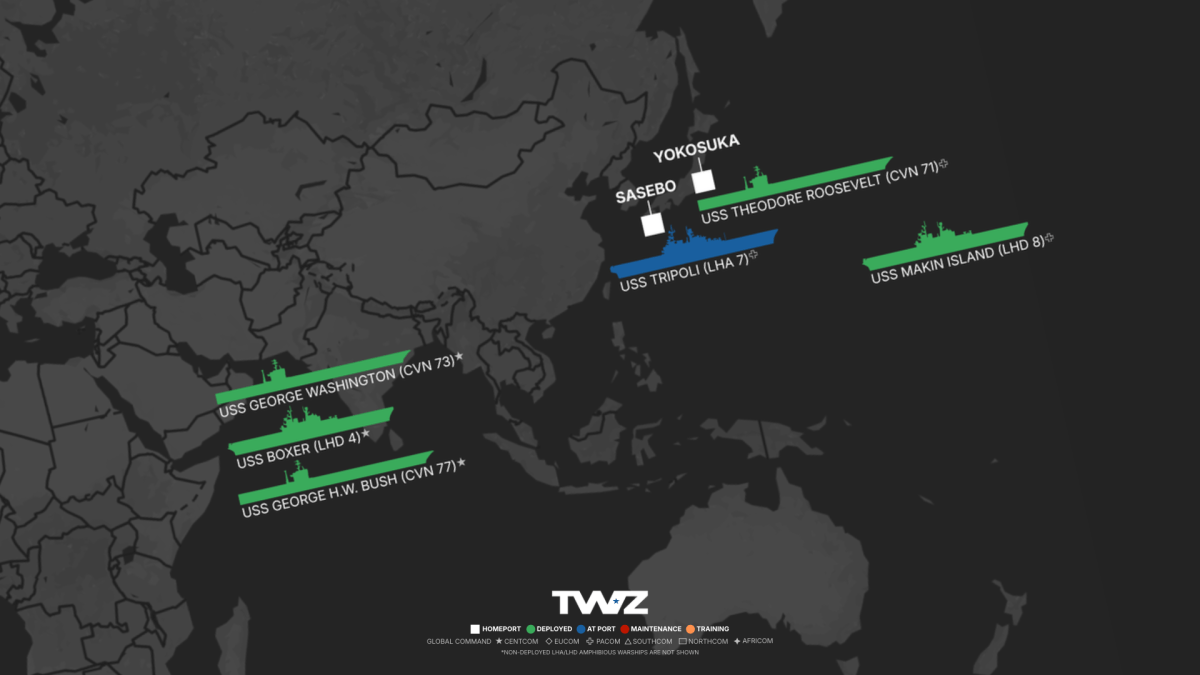
The other major Day 1 takeaway was the scale of interest in medium unmanned surface vessels. The phrasing in the source text, “many, many MUSVs,” captures something beyond a routine mention. It suggests density on the show floor and a widening industrial push around a class of vessel the Navy and its partners increasingly view as operationally relevant.
MUSVs occupy an important middle ground. They are not merely small experimental drones, but neither are they traditional crewed warships. That makes them attractive for missions where persistence, modularity, and lower operating burden are valuable. Even without a detailed procurement announcement in the provided text, the sheer visibility of these systems at Sea Air Space indicates that vendors and defense planners see them as central to the next stage of maritime competition.
The exhibit list reinforced that point. Breaking Defense’s conference gallery included Saildrone’s wingless Spectre USV and Anduril’s Dive XL nose on display. Those exhibits point to a broader autonomy ecosystem, one in which surface and undersea unmanned systems are being presented as serious tools rather than side projects.
An industrial ecosystem is taking shape
The Day 1 gallery also showed how wide the modernization conversation has become. L3Harris was highlighted in connection with Red Wolf munitions for the Marine Corps’ Precision Attack Strike Munition program. General Dynamics Electric Boat displayed models tied to the Columbia-class and Virginia-class submarine programs. Israel Aerospace Industries showed its Sea Demon surface-to-surface cruise missile. Path Robotics even appeared with a robotic welding platform, a reminder that the industrial base itself is part of the defense technology story.
Taken together, those images suggest that Sea Air Space is not just about finished platforms. It is about the stack beneath them: munitions, production technologies, autonomous vessels, submarines, and the support infrastructure needed to build and sustain all of it.
That breadth is important when interpreting the emphasis on F/A-XX and MUSVs. The Navy’s future force is unlikely to be defined by a single exquisite platform. Instead, it is being assembled across categories, with crewed and uncrewed systems, shipbuilding priorities, and weapons development all moving in parallel.
What Day 1 really revealed
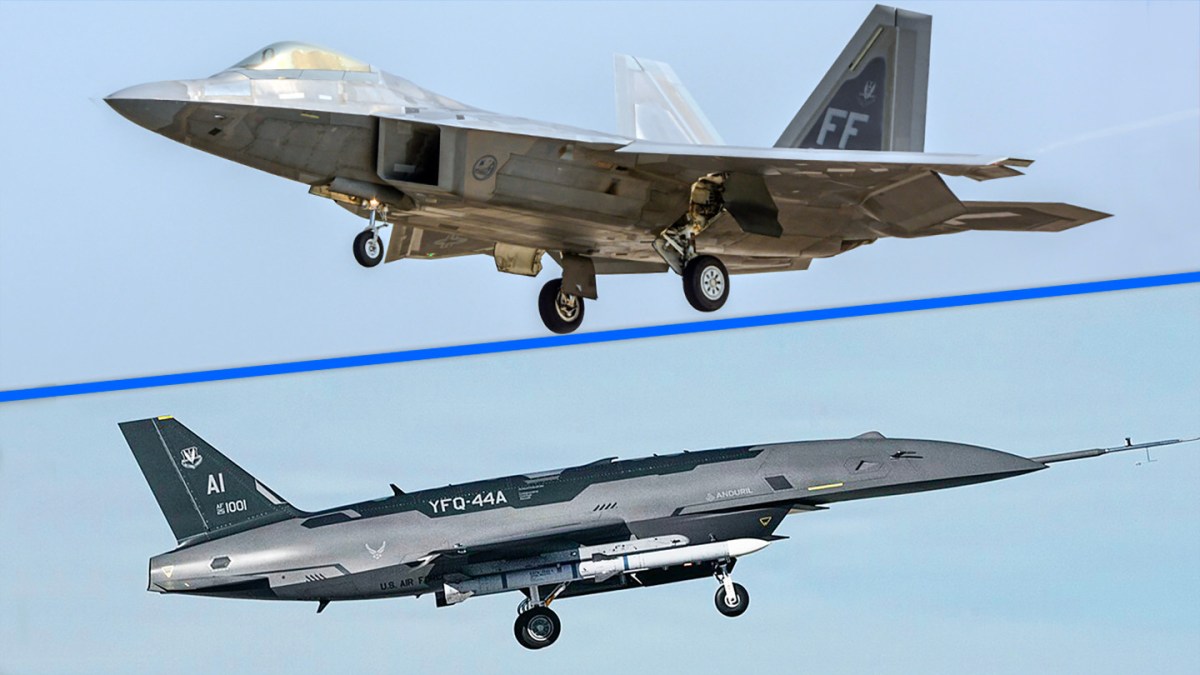
Because the supplied source text is a conference recap rather than a full procurement brief, the strongest takeaway is strategic rather than numerical. Sea Air Space Day 1 showed a Navy still anchored to its traditional pillars of sea power, but increasingly surrounded by new tools designed for distributed, autonomous, and software-heavy operations.
The F/A-XX discussion underscores the continued importance of the carrier and the air wing. The MUSV attention underscores an equally strong drive toward scale, dispersion, and reduced crewing. The conference floor, at least on opening day, suggested the service is not choosing one path over the other. It is pursuing both.
That creates hard questions. Can the Navy fund and field high-end crewed aircraft while also buying unmanned vessels in meaningful numbers? Can industry move beyond demonstrations and displays into dependable production and integration? Can autonomous systems become a routine part of fleet architecture instead of a recurring promise?
Those questions were not answered on Day 1. But they framed the conversation. In that sense, the first day of Sea Air Space 2026 offered a useful snapshot of where naval technology priorities stand right now: one eye on next-generation aviation, the other on a more distributed unmanned fleet, and both aimed at a future force that will almost certainly be more mixed than the one the Navy sails today.
This article is based on reporting by Breaking Defense. Read the original article.
Originally published on breakingdefense.com