A legacy helicopter takes a step toward autonomous flight
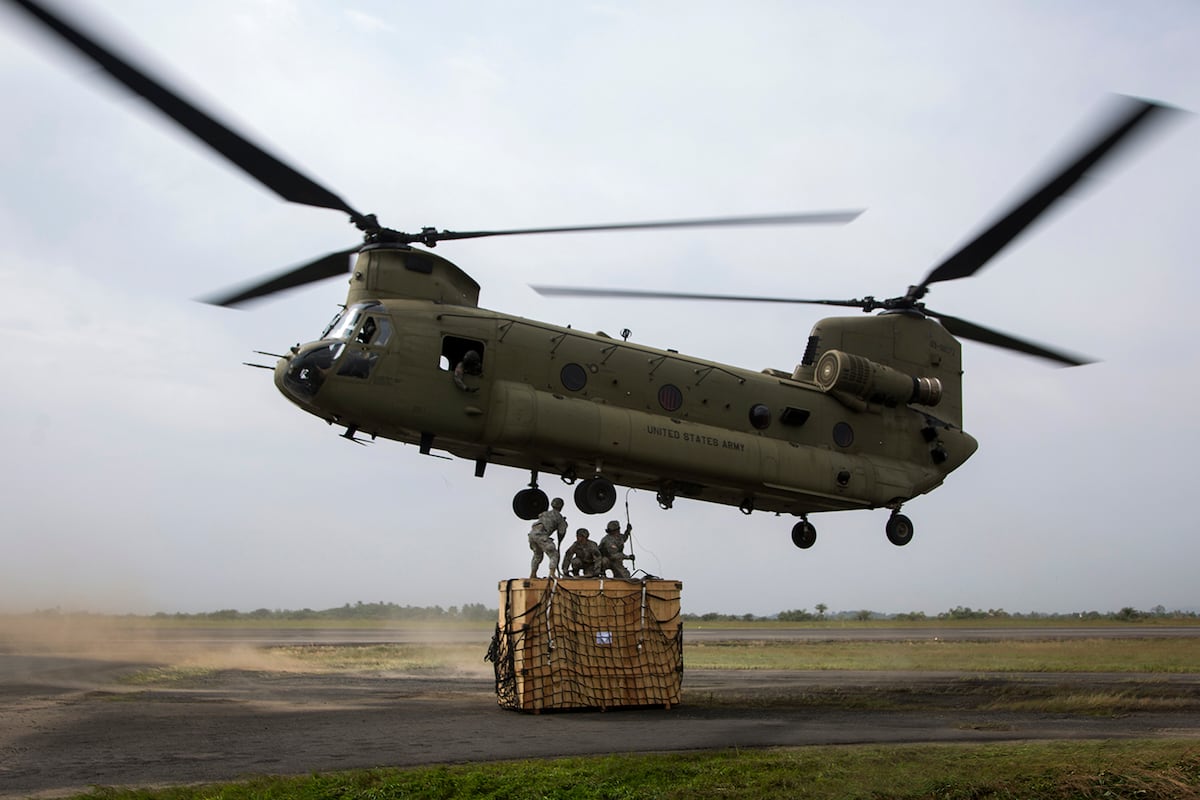
Boeing says it has successfully landed a U.S. Army CH-47 Chinook without a pilot at the controls, using software designed to automate one of the most demanding phases of flight. The demonstration relied on Boeing’s Approach-to-X, or A2X, system, which guided the helicopter through final approach and landing after a pilot entered key mission parameters.
The event is notable less because it eliminates pilots entirely than because it shows how autonomy is being threaded into aircraft that already sit at the center of military operations. The Chinook has been in service since the 1960s and remains a mainstay for transporting troops, equipment, and heavy loads. Adding automated landing capability to such a platform points to a practical autonomy strategy: upgrade core aircraft rather than wait for entirely new fleets.
How the system works
According to Boeing, A2X begins with pilot-defined inputs such as the landing zone, final altitude, approach angle, and start speed. Once those parameters are set, the software flies the aircraft to the predetermined point. Pilots can still make adjustments during the flight, allowing crews to respond to changes in the environment rather than surrendering control completely.
That design reflects a common pattern in aviation autonomy. The goal is not full removal of humans from the loop in every case. It is to reduce workload during critical moments so crews can spend more attention on navigation, tactical awareness, and unexpected hazards.
Boeing said it has completed more than 150 approaches with A2X, covering final altitudes from a 100-foot hover down to touchdown. The company also reported an average final position error of less than five feet, indicating a degree of repeatability that matters for operational use.
Why the Army cares
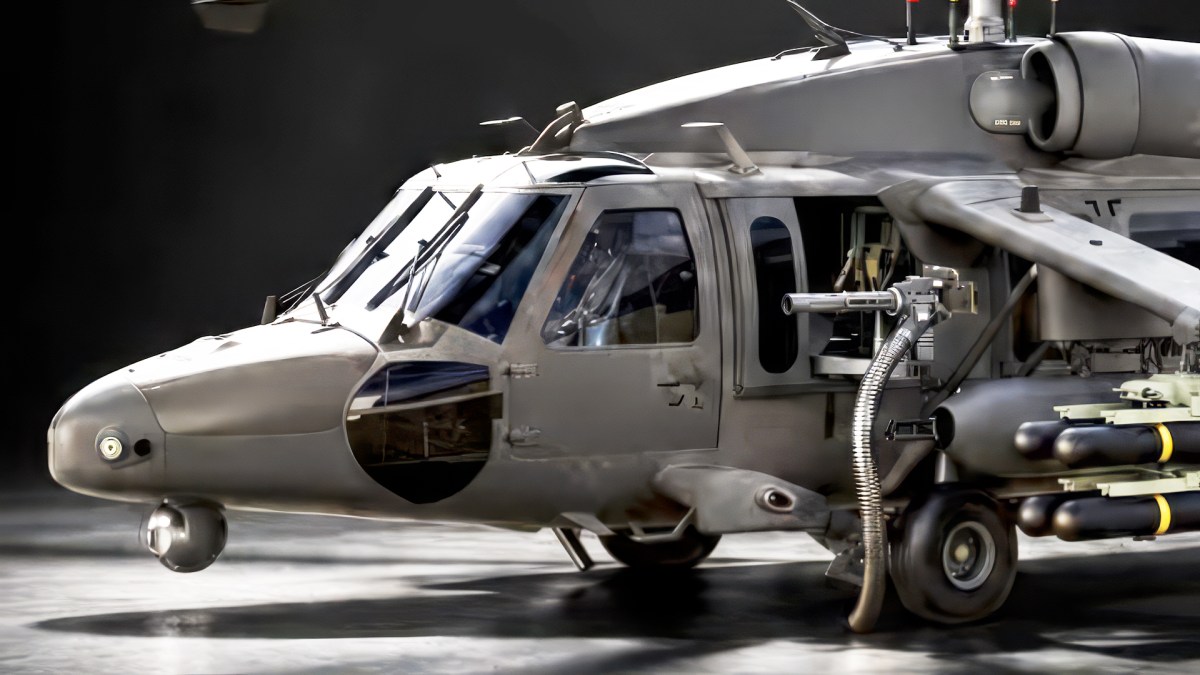
The Army’s interest in autonomy is broadening across its aviation portfolio. The Chinook test comes alongside the recent delivery of a pilot-optional Black Hawk variant, the H-60Mx, which combines fly-by-wire controls with autonomy systems. Both efforts suggest the service is trying to develop a pathway toward reduced-crew and optionally crewed aircraft without abandoning familiar mission platforms.
That matters because the Army’s future operating environments are expected to be more contested, more dispersed, and more demanding on crews. A heavy-lift helicopter approaching a landing zone under pressure is already a cognitively intense mission. Any system that reduces pilot workload during approach and landing could improve safety and free attention for the broader tactical picture.
Incremental autonomy may be the real story
Popular discussions of military autonomy often focus on dramatic end states: fully autonomous aircraft, unmanned swarms, or pilotless combat operations. The Chinook demonstration points to something more incremental and probably more realistic in the near term. Rather than replacing aircrews outright, autonomy is being inserted into discrete flight phases where it can provide immediate operational value.
That approach has several advantages. It makes certification and user trust easier to build. It allows pilots to remain active decision-makers. And it turns autonomy from a future promise into a series of bounded functions that can be tested, measured, and refined.
The source report underscores that point through the human-factors framing offered by Boeing. The company said the interface and control laws were designed around how pilots naturally fly an approach, with the explicit aim of reducing workload so crews can maintain more eyes-out awareness in tactical situations. In other words, the software is being shaped as a cockpit aid, not simply a replacement technology.
What comes next
Boeing said it will continue refining the software before releasing it to the Army, though no timeline was provided. That leaves the capability in a transitional stage: demonstrated, but not yet fielded. Even so, the test signals that autonomy is moving beyond concept papers and into concrete handling tasks on operational aircraft.
For the Army, that has implications well beyond the Chinook. As the service develops its future long-range assault aircraft and explores different crew models, lessons from A2X and similar systems could influence how new cockpits, interfaces, and mission profiles are designed. The immediate result is one autonomous landing. The larger trend is an aviation force gradually reorganizing around the idea that critical flight tasks do not always need to be manually flown.
This article is based on reporting by Defense News. Read the original article.
Originally published on defensenews.com