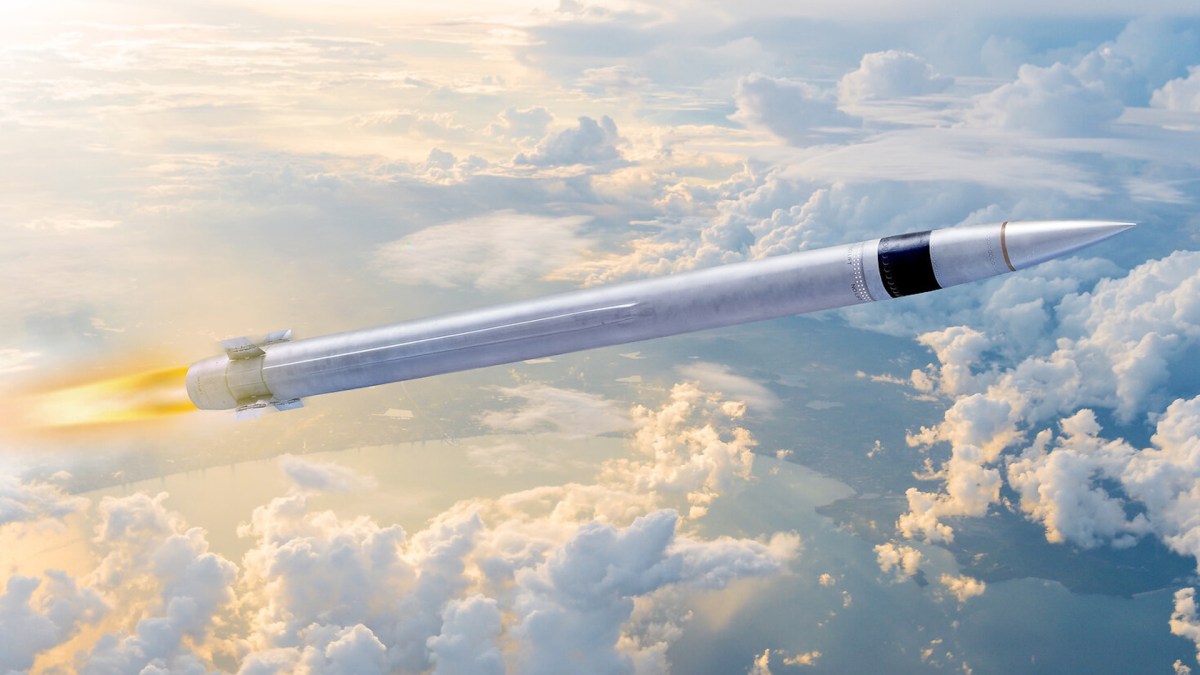
Japan’s latest defense budget language points to a potentially broader mission for the ASM-3 Kai
Japan’s Ministry of Defense has introduced a notable new description for the ASM-3 Kai in its fiscal 2027 budget request, labeling the weapon an “air-to-surface/anti-air missile.” That wording matters because the ASM-3 family has so far been publicly tied to the anti-ship role. If the ministry’s language reflects intended operational use rather than a drafting anomaly, it would suggest Japan is exploring a more flexible role for one of its domestically developed high-speed standoff weapons.
The reference appears in a record budget request of ¥8.89 trillion, or about $56 billion, for the fiscal year beginning in April 2027. In the broader context of that submission, Tokyo is seeking to expand its standoff strike inventory, improve air defense, strengthen uncrewed capabilities, and make military infrastructure more resilient. Within that framework, the ASM-3 Kai appears not as an isolated program but as part of a wider effort to improve readiness, munitions depth, and the survivability of Japan’s forces.
Why the wording stands out
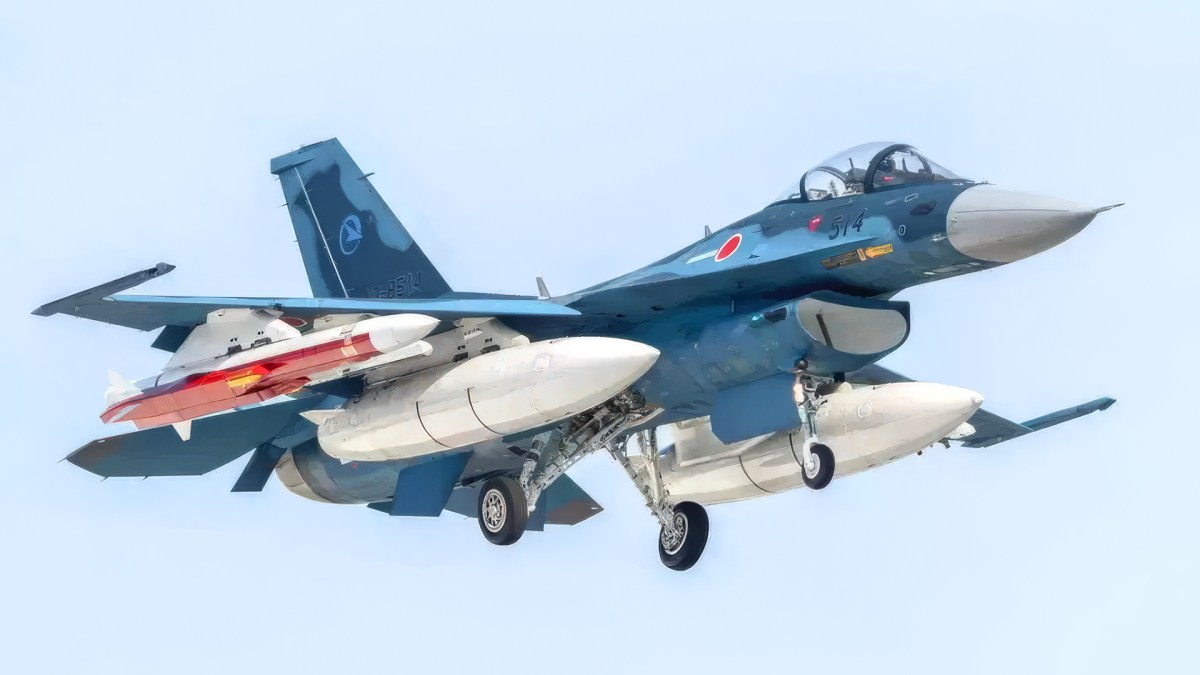
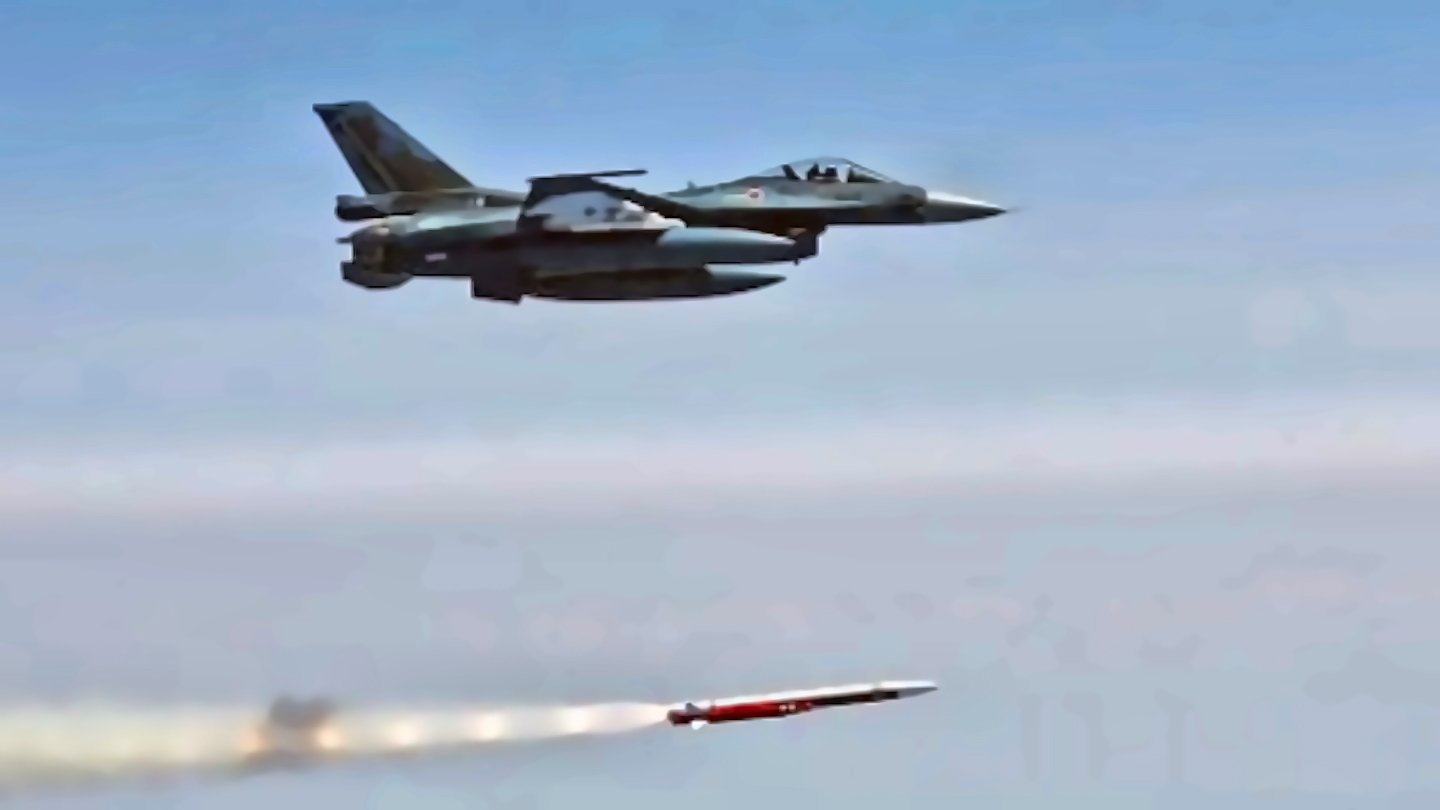
The significance lies in how the missile is characterized. The original ASM-3 has been known as a supersonic air-launched anti-ship missile developed by Mitsubishi Heavy Industries and intended for aircraft such as the Mitsubishi F-2. The newer ASM-3 Kai is an upgraded version, but the public understanding of the family has still centered on anti-surface attack, especially against ships.
That is why the phrase “air-to-surface/anti-air missile” has attracted attention. It suggests the possibility that the missile could be used not only against maritime or surface targets but also against airborne ones. The source material does not confirm exactly how that capability would work, whether it would involve software changes, seeker upgrades, new guidance logic, or a specialized employment concept. But the plain wording is hard to ignore because it assigns the missile a second mission set that had not been part of its public profile.
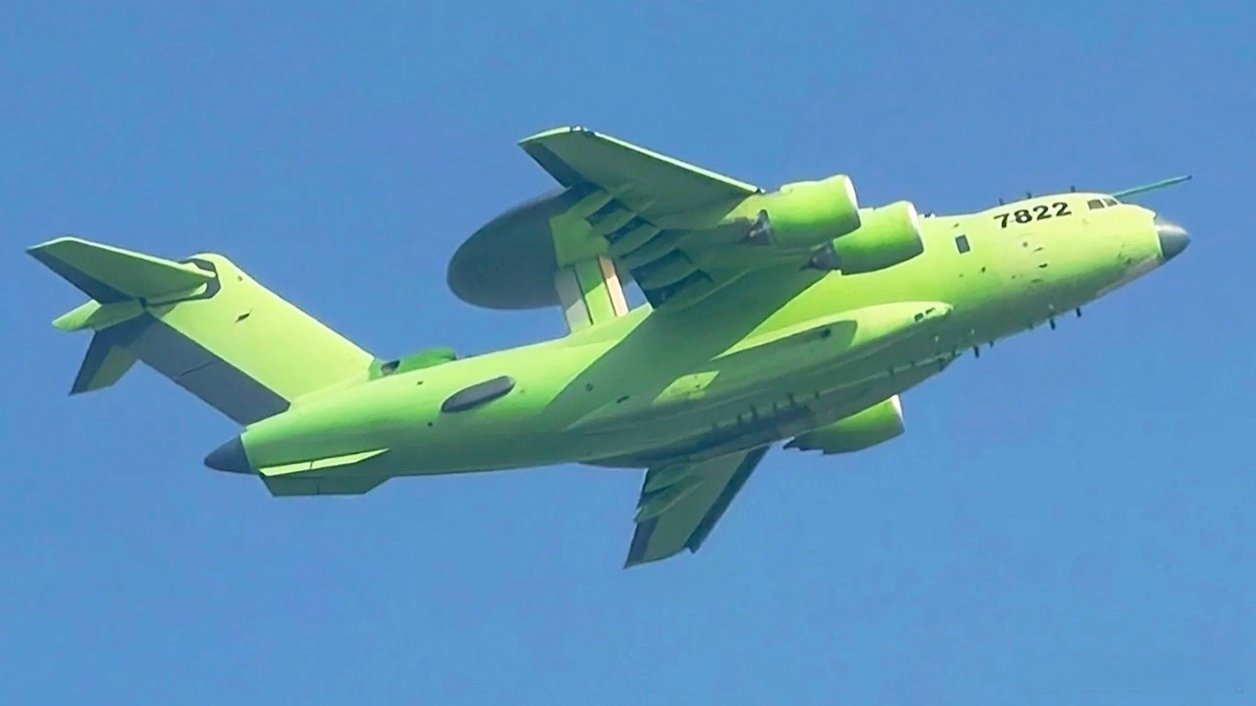
Even without full technical details, the implication is strategic. A fast air-launched missile with some degree of anti-air utility could offer Japan another option against large, high-value airborne targets. The article source specifically frames that possibility in those terms, which fits a regional security environment where survivable long-range strike and counter-air tools are drawing more attention.
Part of a larger rearmament and resilience push
The budget request places the ASM-3 Kai inside a section focused on durability and resilience. That section calls for funding to secure ammunition and fuel, increase the number of operational units by addressing parts shortages, enhance facility resilience through upgrades, and strengthen operational infrastructure by improving manufacturing capacity. In other words, the ministry is not only asking for new weapons. It is also trying to ensure that the force can sustain operations over time.
The munitions list in that section spans a wide range of systems, from 5.56 mm small-arms ammunition and 30 mm cannon rounds to 155 mm precision artillery munitions and advanced missiles such as the Type 23 ship-launched air defense missile and the ASM-3 Kai. That mix shows Tokyo’s emphasis on both day-to-day readiness and higher-end conflict preparation.
Seen through that lens, the ASM-3 Kai’s mention supports a familiar pattern in Japan’s defense planning: investment in indigenous systems that can contribute to deterrence while reducing dependence on a narrow set of imported capabilities. Domestic production also matters for resilience. If Japan expects future crises to strain supply chains and industrial output, then missiles built and sustained at home become more strategically valuable.
What remains uncertain
The budget language alone does not settle the question of what anti-air capability, if any, the ASM-3 Kai will actually field. Defense documents can sometimes use broad phrasing before a program’s final configuration is publicly explained. The source text also notes that the full nature of the upgraded missile’s capabilities and performance has not been officially detailed.
That leaves several open possibilities. The anti-air label could indicate a limited secondary role rather than a full replacement for dedicated air-to-air missiles. It could refer to use against slow or large airborne targets instead of high-agility fighters. It could also point to future growth potential rather than an immediately available mission profile. The supplied source does not resolve those questions, so any stronger conclusion would go beyond the evidence now in view.
Still, even ambiguous language in a formal budget request has value as a signal. Defense ministries tend to be careful about how they present munitions in official planning documents, especially when the systems involved are politically and strategically sensitive. A new label can therefore reflect real conceptual change, even if technical specifics remain behind closed doors.
Why this matters regionally
Japan’s defense posture has been shifting toward longer-range strike, larger stockpiles, stronger air and missile defense, and better endurance under pressure. That shift is driven by a regional environment marked by rising missile inventories, maritime competition, and growing concern over the vulnerability of forward bases and support networks.
In that environment, multi-role or cross-mission weapons are attractive. A missile originally built for anti-ship work but adaptable to airborne targets could complicate an adversary’s planning. It could also give Japanese aircraft more flexibility in how they allocate weapons loads, especially if future operations require rapid adaptation against changing target sets.
The budget request itself underscores this broader trend. It is not simply asking for more of the same. It is part of a larger modernization drive centered on standoff attack, air defense, resilience, and manufacturing strength. The ASM-3 Kai’s revised description fits that picture, whether it ultimately proves to be a narrow technical enhancement or a more meaningful doctrinal step.
What to watch next
The next important indicator will be whether Japanese officials, Mitsubishi Heavy Industries, or later procurement documents provide a more precise explanation of the ASM-3 Kai’s mission. Analysts will also watch for signs of platform integration, guidance changes, or testing evidence that could clarify how an anti-air role would be implemented in practice.
For now, the key development is simple but consequential: Japan has used official budget language that places the ASM-3 Kai beyond its previously understood anti-ship identity. That alone makes the missile a program to watch closely as Tokyo advances its fiscal 2027 defense agenda.
- Japan’s FY2027 budget request describes the ASM-3 Kai as an “air-to-surface/anti-air missile.”
- The ASM-3 family has previously been publicly associated with the anti-ship mission.
- The wording appears inside a broader resilience and munitions expansion push.
- Technical details of any anti-air capability have not been publicly explained in the supplied source.
This article is based on reporting by twz.com. Read the original article.
Originally published on twz.com