The Death of a Supreme Leader
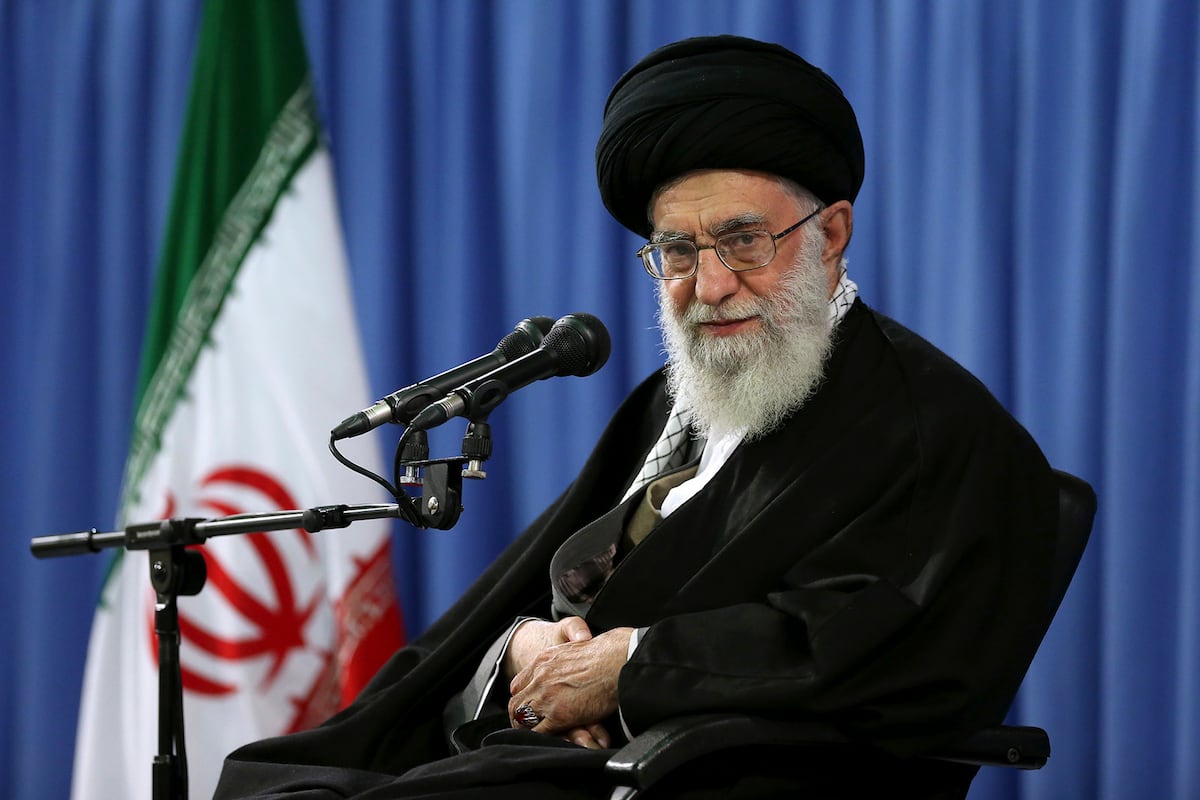
Ayatollah Ali Khamenei, the supreme leader of the Islamic Republic of Iran since 1989, was killed on Saturday, February 28, during a joint U.S.-Israeli aerial bombardment targeting governmental and military sites across the country. He was 86 years old. The death was first indicated by Israeli Prime Minister Benjamin Netanyahu, who announced "growing signs" that Khamenei had been killed when Israeli forces struck his compound, and was subsequently confirmed by two Israeli officials speaking to the Associated Press before any formal announcement from Tehran.
President Donald Trump confirmed the killing via social media, describing the operation as involving "heavy and pinpoint bombing" with "hundreds of targets across Iran." Iranian state media ultimately acknowledged the death early Sunday morning, throwing the country into a period of extraordinary uncertainty.
Nearly Four Decades of Supreme Authority
Khamenei had been the most powerful figure in Iran for 37 years, succeeding the Islamic Republic's founder, Ayatollah Ruhollah Khomeini. As supreme leader, he held final authority over all major state policies, commanded the armed forces, oversaw the country's nuclear program, and directed the activities of the Islamic Revolutionary Guard Corps and its extensive network of regional proxy forces.
Under his leadership, Iran expanded its influence across the Middle East through relationships with Hezbollah in Lebanon, Hamas in Gaza, the Houthis in Yemen, and various Shia militia groups in Iraq and Syria. His hardline stance toward the United States and Israel defined Iranian foreign policy for decades, even as he occasionally allowed space for diplomatic engagement under moderate presidents.
A Succession Crisis Without Precedent
Unlike many authoritarian systems, Iran's theocratic structure provides no automatic succession mechanism for the supreme leader position. Khamenei had no designated successor, and the Assembly of Experts — the body constitutionally responsible for selecting the supreme leader — faces a decision that will determine the future character of the Islamic Republic.
Potential successors include Khamenei's son Mojtaba, who has operated in the background of Iranian politics for years, as well as several senior clerics and Revolutionary Guard commanders. However, the extraordinary circumstances of Khamenei's death, during an active military conflict, mean that any transition of power will occur under conditions of extreme stress and potential internal division.
Iranian authorities announced plans to establish a temporary leadership council to manage the crisis, though the practical authority of such a body during an ongoing military conflict remains deeply uncertain.
The Strike That Changed Everything
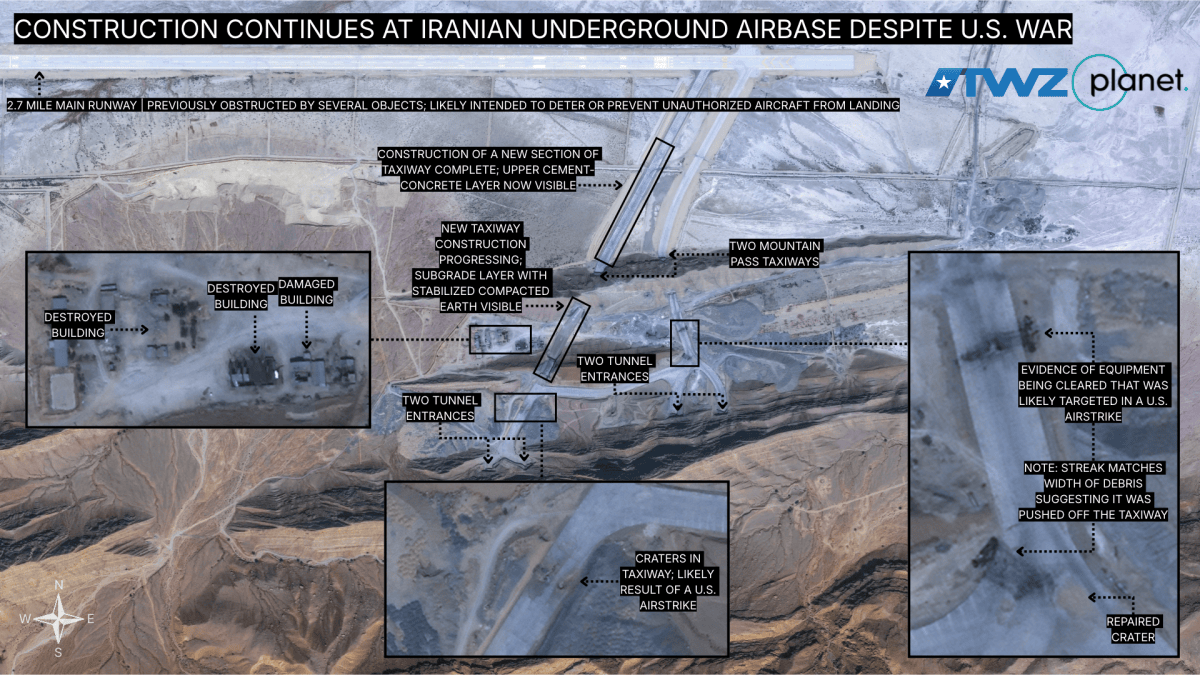
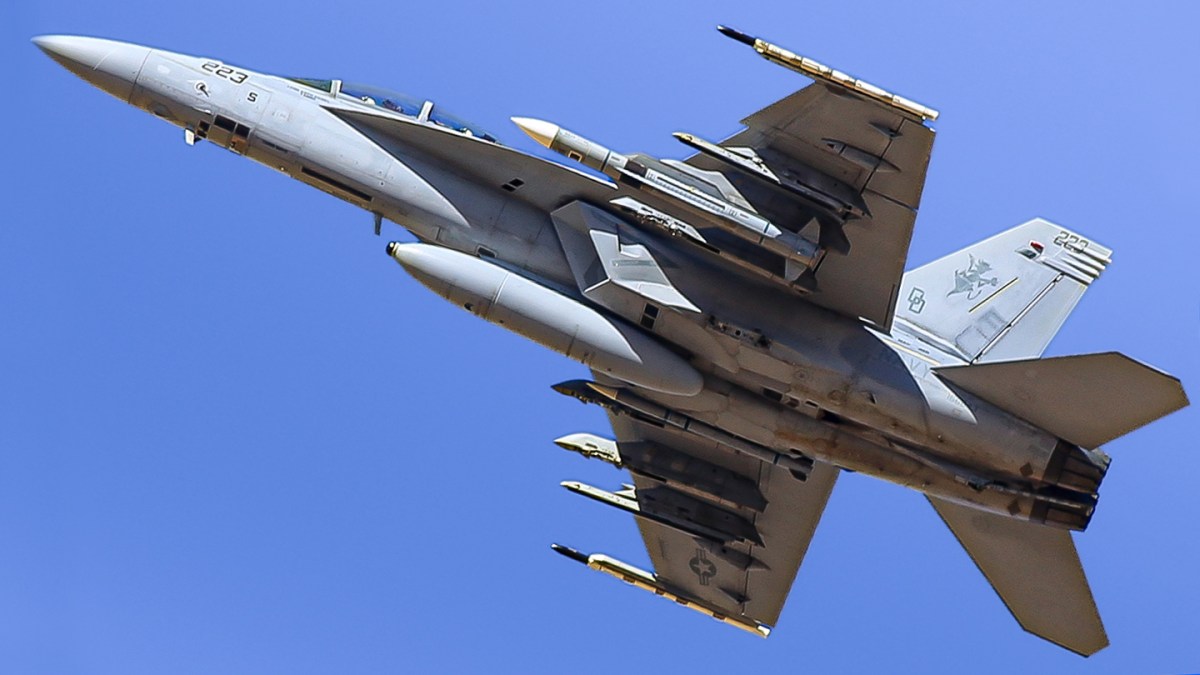
Israeli Channel 12 reported that approximately 30 munitions were dropped on Khamenei's compound during the opening hours of the joint military operation. The strike was part of a broader campaign in which Israel deployed 200 warplanes to hit more than 500 targets across Iran, including air defense systems, missile launchers, and command centers.
The targeting of Khamenei's compound suggests that his elimination was a primary objective of the operation rather than a secondary outcome. The precision required to locate and strike the supreme leader's position indicates significant intelligence gathering over an extended period, likely involving both signals intelligence and human sources within Iran.
Regional and Global Implications
The death of Iran's supreme leader creates a cascade of strategic uncertainties. Iran's proxy network, which depends on direction and funding from Tehran, may face fragmentation without Khamenei's unifying authority. Hezbollah, Hamas, the Houthis, and Iraqi militias all look to the supreme leader for strategic guidance, and the absence of that authority could lead to more independent, unpredictable action by these groups.
International reactions have been swift but divided. While the United States and Israel view the outcome as a decisive strategic achievement, much of the international community has expressed alarm at the potential for further escalation. The killing of a head of state through military action sets a precedent that reverberates well beyond the Middle East.
Iran's Uncertain Future
With 40 days of mourning declared and ongoing military strikes continuing, Iran faces perhaps the most consequential period in its modern history. Whether the country rallies around new leadership and escalates the conflict, fragments internally, or ultimately seeks a negotiated resolution will depend on decisions made in the coming days and weeks by actors both inside and outside the country. What is clear is that the Middle East that emerges from this crisis will look fundamentally different from what came before.
This article is based on reporting by Defense News. Read the original article.
Originally published on defensenews.com