Auto manufacturing capacity meets defense demand
Europe’s accelerating defense buildup is starting to pull in an unexpected set of industrial names: carmakers. But despite the attention, analysts are cautioning against assuming that the region’s automotive sector is undergoing a wholesale turn toward weapons production.
A report from Breaking Defense points to a number of early signals that automakers are at least exploring defense-related work as governments pour more money into military procurement. The key word, for now, is exploring. The pattern that emerges is cautious participation rather than a clear sector-wide pivot.
Renault’s drone role shows the tone of the moment
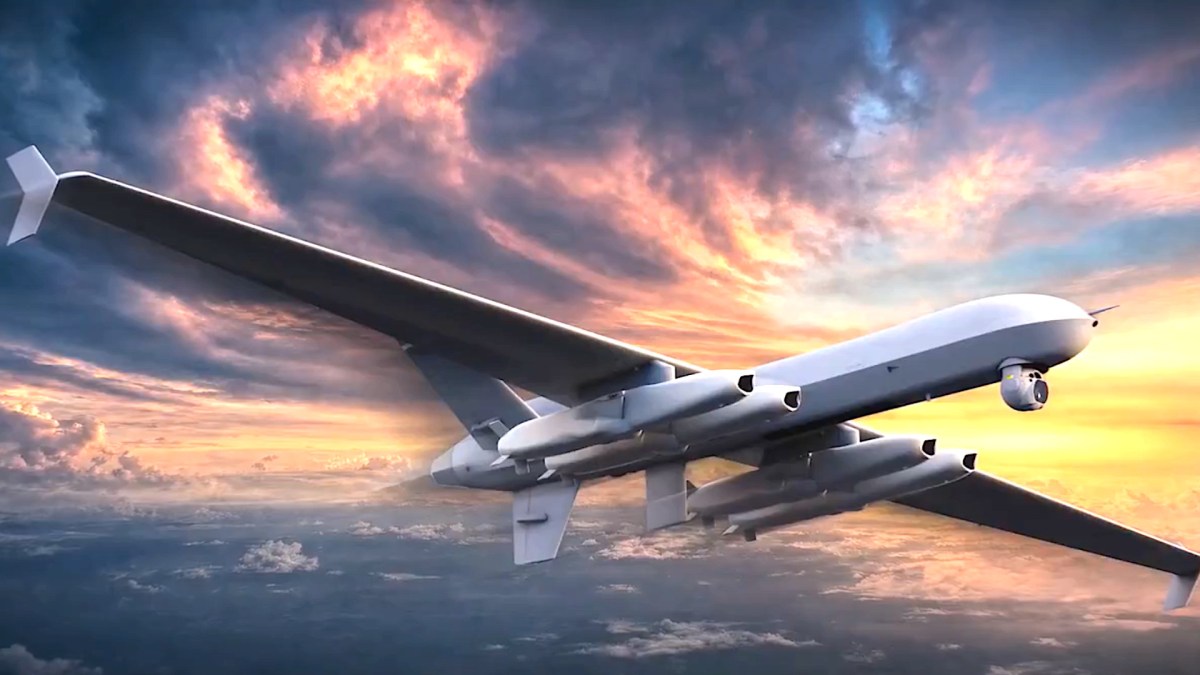
The clearest example in the report is Renault Group’s January announcement that it would partner with French startup Turgis Gaillard to help produce up to 600 drones per month for the French Ministry of the Armed Forces. Even there, Renault has been careful about how the move is described. A company spokesperson said Renault has no intention of entering the weapons production sector or becoming a major player in it.
That language is revealing. Carmakers may see an opportunity to use idle or flexible industrial capacity, but they are also aware of the reputational, political, and strategic implications of being seen as arms manufacturers. The current posture is best understood as one-foot-in, one-foot-out participation: contributing manufacturing expertise without fully rebranding the business.

Why the idea is surfacing now
The logic is not difficult to follow. Europe is under pressure to increase defense output quickly, particularly in areas such as drones and missile-defense supply chains. At the same time, parts of the automotive industry face overcapacity, plant uncertainty, and the broader strain of industrial transition. That creates a potential match between available manufacturing know-how and urgent government demand.
The report also references discussions involving Volkswagen’s Osnabrueck plant, which had previously been slated for closure in 2027 and is reportedly now in talks with Rafael Advanced Defense Systems to produce components for the Iron Dome missile defense system. Whether or not that specific effort proceeds, it captures the broader industrial question: can underused automotive facilities help close defense production gaps?
Analysts see opportunities, but not a guaranteed trend
Experts quoted in the report are notably restrained. Max Becker of the German Council on Foreign Relations said it remains to be seen whether a broad trend is emerging or whether the phenomenon will affect only individual companies or business divisions. That distinction matters because isolated partnerships do not necessarily translate into a durable industrial realignment.
Defense manufacturing is not simply another contract category for an automaker. It brings security requirements, procurement complexity, export controls, certification demands, and longer political cycles than ordinary commercial manufacturing. Some skills transfer, especially around industrialization and scaling, but the underlying business model is different.

Where carmakers may add the most value
The Renault example offers a clue. The company was tapped for its ability to industrialize production rapidly and will be responsible for manufacturing the drone’s structure rather than becoming a full-spectrum defense prime. That is probably the most plausible near-term role for much of the auto sector: supplying manufacturing discipline, throughput, and component production where defense programs need scale.
This limited role could still be significant. Europe’s defense challenge is not only about designing platforms; it is also about producing enough units, fast enough, with reliable industrial processes. Automakers have deep experience in repeatable manufacturing, supplier management, and factory operations. Those capabilities are valuable even if the firms stop short of becoming dedicated defense companies.
An industrial crossover worth watching
The deeper significance of these early moves is that Europe’s defense expansion is beginning to reshape decisions beyond traditional arms makers. Carmakers are not suddenly becoming defense champions overnight, but some are testing whether defense work can absorb spare capacity or open new revenue lines in an era of heavy state spending.
For now, the evidence supports a nuanced conclusion: the crossover is real, but it is selective, cautious, and highly dependent on specific plants, programs, and funding conditions. That may be enough to matter. Even a limited redirection of automotive industrial capacity could help Europe respond faster to defense demand, especially in categories where volume and manufacturing competence matter more than brand identity.
This article is based on reporting by Breaking Defense. Read the original article.
Originally published on breakingdefense.com