New Legislation Targets Autonomous Weapons
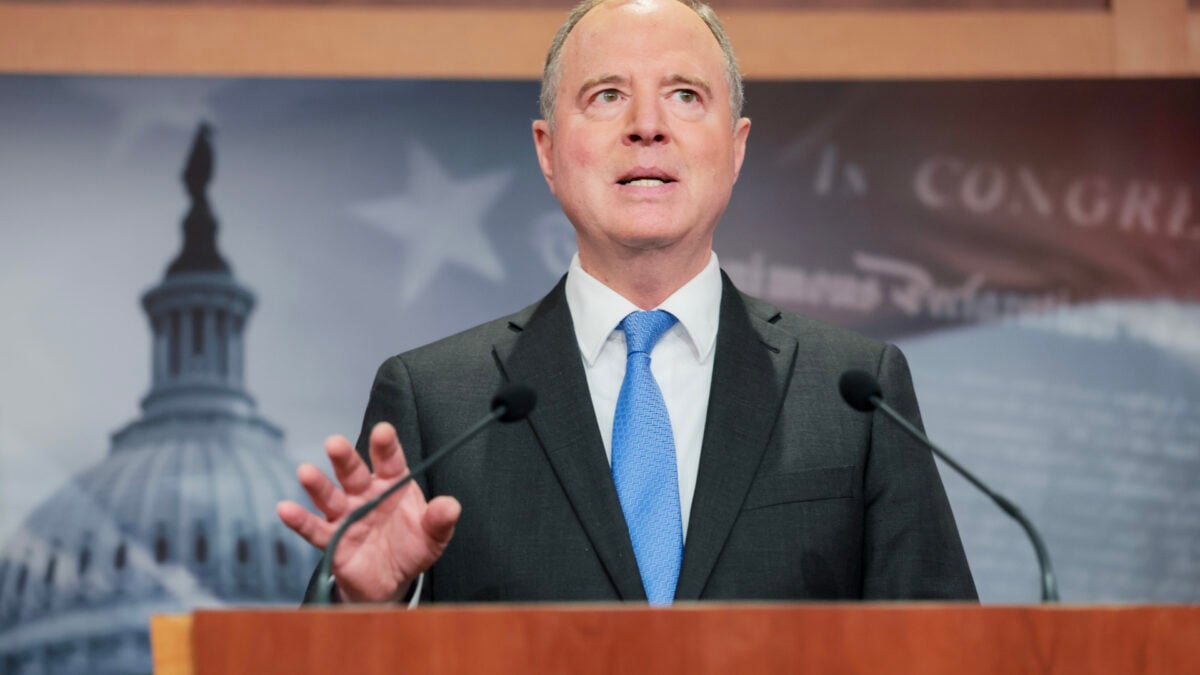
Three Democratic lawmakers are advancing bills that would impose strict limits on the Department of Defense's use of artificial intelligence, particularly in lethal operations. The push comes after the Pentagon's high-profile fallout with AI company Anthropic, which refused to remove safety guardrails from its systems. Senator Adam Schiff of California this week introduced the Human Authority in Lethal Operations (HALO) Act, a bill that would require a human commander to have final say over any action taken by autonomous weapon systems. The legislation also mandates detailed record-keeping of military decisions and target selections for later review, establishes whistleblower protections, and prohibits AI use in cases involving nuclear weapons and mass surveillance.
“The past few months have shown us that there is an urgent need for commonsense guardrails to ensure the Defense Department’s use of AI is in line with Americans’ national security and privacy priorities,” Senator Schiff said in a press release. “My legislation would protect Americans from unlawful domestic surveillance, ensure that humans in the chain of command exercise responsibility for the use of any lethal technology, and maintain strong ethical protections in the deployment of autonomous and semi-autonomous weapons.”
Background: AI in Modern Warfare
Artificial intelligence has been a component of warfare for years. Militaries worldwide employ AI for target selection in strikes and mass surveillance. A prominent example is the Israeli army's use of AI against Palestinians. The United States has also long deployed AI in military operations, including in its latest war against Iran. However, the use of AI in the military was catapulted to the top of public discourse earlier this year when an existing deal between the Pentagon and Anthropic fell through. In an unprecedented move, the AI giant was designated a supply chain risk after allegedly refusing to remove guardrails that prevented the DoD from using its models for mass domestic surveillance and completely autonomous weapons—those with little to no human involvement.
Following the fallout, the Pentagon signed contracts with nearly all other major AI companies, including OpenAI, Google, Nvidia, SpaceX, Microsoft, and Amazon Web Services. Anthropic has challenged the designation in court, though reports indicate the Trump administration is warming to the company after the release of Mythos, its latest model advertised as a cybersecurity game-changer.
Political Support for Anthropic's Stance
After the Trump administration's very public breakup with Anthropic, a slew of Democrats voiced support for the company and its stance. Senator Schiff, author of the HALO Act, was among them. “I wish we had more voices like Anthropic out there,” Schiff said at the Punchbowl News Conference in March. The HALO Act is one of several bills aimed at curbing military AI. Other Democrats have introduced companion legislation in the House, focusing on banning fully autonomous weapons and ensuring human oversight. The bills reflect growing bipartisan concern over the ethical implications of AI in warfare, though Republicans have generally favored fewer restrictions to maintain technological edge.
Key Provisions of the HALO Act
- Requires a human commander to authorize any lethal action by autonomous systems
- Mandates detailed records of decision-making and target selection for later review
- Establishes whistleblower protections for personnel reporting AI misuse
- Prohibits AI use in nuclear weapons command and control
- Bans AI-driven mass domestic surveillance
The legislation also requires the DoD to report annually on its use of AI in military operations, including any incidents where autonomous systems caused unintended harm. Supporters argue these measures are essential to prevent an AI arms race and ensure accountability. Critics, however, warn that overly restrictive laws could hamper military readiness and innovation.
Broader Implications
The push for regulation comes amid a global debate over autonomous weapons. The United Nations has held talks on banning lethal autonomous weapons systems, but progress has been slow. The United States has not committed to a ban, instead advocating for voluntary guidelines. The HALO Act and similar bills could shift U.S. policy toward stricter controls, potentially influencing international norms. For now, the legislation faces an uphill battle in a divided Congress, but the Anthropic incident has given Democrats a rallying point. As AI continues to evolve, the balance between military advantage and ethical constraints will remain a contentious issue.
This article is based on reporting by Gizmodo. Read the original article.
Originally published on gizmodo.com