Another damaged tanker comes into view
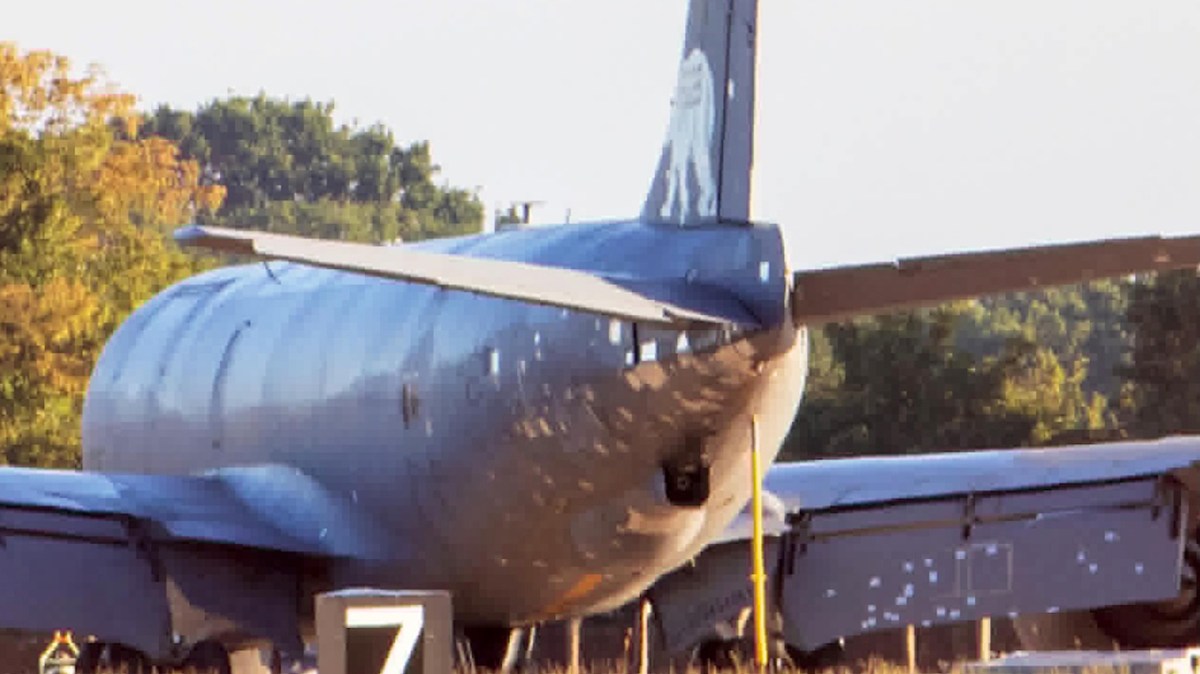
A battle-damaged KC-135 Stratotanker has been photographed at RAF Mildenhall in the United Kingdom, adding to evidence of how exposed U.S. support aircraft were during the now-paused war involving Iran. The images, published by The War Zone and taken by aviation photographer Andrew McKelvey, show an aircraft speckled with temporary shrapnel repairs across the tail, vertical stabilizer, flaps, and spoilers. It is also missing its refueling boom entirely.
The aircraft is described as at least the second damaged tanker to pass through the base, suggesting the damage was not an isolated case. Support aircraft rarely attract the same public attention as fighters or bombers, but they are foundational to sustained U.S. and allied air operations. When they take damage, the operational implications can ripple outward quickly.
What is known about the aircraft
The tanker carries tail number 63-8028 and belongs to the Alaska Air National Guard’s 168th Wing. According to the report, flight-tracking data shows it arrived at RAF Mildenhall from Ben Gurion Airport on Saturday. McKelvey said the jet was still parked at the base’s visitors ramps on Monday morning.
Exactly where the aircraft was hit remains unclear. One possibility is the Iranian long-range strike on Prince Sultan Air Base in Saudi Arabia on March 14, where five tankers were reportedly damaged. But the story also notes that FlightRadar24 data places this KC-135 flying into and out of Tel Aviv around that timeframe, which complicates the picture. The article is explicit: the aircraft may have been struck somewhere else, or the tracking data may be incomplete or wrong.
Why tanker damage matters
The most striking aspect of the photos may be what they reveal about the vulnerability of enabling aircraft. Tankers are high-value assets. They extend range, support combat persistence, and make long-distance strike packages possible. They also tend to operate from predictable bases and rely on fixed infrastructure, which can turn them into attractive targets in regional missile or drone campaigns.
A damaged refueling boom is especially consequential because it directly affects the aircraft’s core mission. Even if an airframe remains flyable enough to reposition, losing boom capability can remove it from tanker duty until major repairs are completed. That degrades capacity at a time when capacity may already be stretched.
The Israel deployment backdrop
The War Zone report also says dozens of U.S. Air Force refueling aircraft currently deployed to Ben Gurion Airport are expected to remain in Israel at least through the end of the year, citing Israel’s N12 News. That sustained presence has reportedly created operational difficulties at the airport because the aircraft occupy large amounts of available parking space.
The logistical strain underscores a larger point. Tanker deployments are not just about aircraft count. They also require secure basing, maintenance throughput, spare parts, and room to operate. When damaged aircraft enter the mix, those demands become heavier.

A visible reminder of support-force exposure
Photographs of patched combat aircraft are common after intense operations. Seeing that same kind of damage on a refueling tanker is a reminder that modern air campaigns expose rear-area and support assets far more than traditional distance-based assumptions once suggested. Long-range strike systems compress geography, and a platform once thought relatively insulated can quickly become a casualty or near-casualty.
This KC-135 may ultimately be remembered as one aircraft passing through a British base on its way to repair. But the image carries wider significance. It shows, in unusually concrete form, that sustaining airpower under missile threat is becoming as central to the fight as generating sorties in the first place.
This article is based on reporting by twz.com. Read the original article.
Originally published on twz.com