The Air Force says the B-52 program has found firmer footing
After years of delays and rising costs, the U.S. Air Force says its effort to modernize the B-52 Stratofortress is now on more stable ground. William Bailey, who is performing the duties of the Air Force’s acquisition executive, told lawmakers that after digging into the program with government and industry officials, he believes both cost and schedule have been stabilized.
That statement is important because the B-52 overhaul is one of the service’s most visible sustainment efforts. The bomber is already decades old, but the Air Force intends to keep 76 aircraft flying into at least the 2050s. To do that, it needs two major upgrades to hold together: a complete engine replacement and a new radar.
The cost problem has been real
The engine replacement effort, formally known as the Commercial Engine Replacement Program, will swap the aircraft’s eight aging Pratt and Whitney TF33 engines for Rolls-Royce F130s. Air Force officials said in 2024 that the program was expected to cost about $15 billion, up from an earlier estimate of $12.5 billion.
The schedule also moved in the wrong direction. According to Government Accountability Office assessments cited in the source text, the targeted initial operational capability slipped by about three years to 2033. Earlier this month, however, the Air Force said the engine effort had passed a critical design review, a milestone that clears the way for aircraft modification and flight testing.
The radar effort has faced similar trouble. Last year officials disclosed that the upgrade triggered a Nunn-McCurdy cost breach, a formal signal that a defense program’s costs have increased enough to demand heightened scrutiny. One member of Congress said that translated into a 17 percent unit-cost hike. While the Air Force said a finalized estimate was not yet available, earlier projections had put the radar program at roughly $3.3 billion, about $1 billion above prior levels.
Fielding of the new radar is now expected in 2030, also about three years later than previously planned.
Why the stakes are so high
These upgrades are not optional refinements. They are what make the Air Force’s long-term B-52 plan plausible. The engines are intended to improve reliability and sustainment over decades of additional service. The radar is central to keeping the aircraft relevant in a changing operational environment. Without both, extending the bomber’s life becomes much harder to justify.
The program is also closely watched because of its scale. The engine replacement alone sits in the tens of billions of dollars. Members of Congress made clear that cost control remains a political as well as technical issue. Rep. Clay Higgins underscored that concern directly, noting that lawmakers are watching the money carefully and would rather fund the right amount up front than absorb overruns later.
Stabilized does not mean finished
Bailey’s testimony is encouraging for the service, but it should be read carefully. Saying a program has stabilized is not the same as saying its risks have disappeared. The Air Force did not provide updated cost and schedule figures in time for publication, according to the source report. That leaves open the question of whether recent management improvements will hold through testing, integration, and fielding.
Both major upgrades are led by Boeing, which means the industrial performance of one prime contractor remains central to the bomber’s future. Any new technical problem in testing, supply chain pressure, or redesign requirement could reopen the same pressures that drove earlier overruns.
A long-life bomber needs modern systems
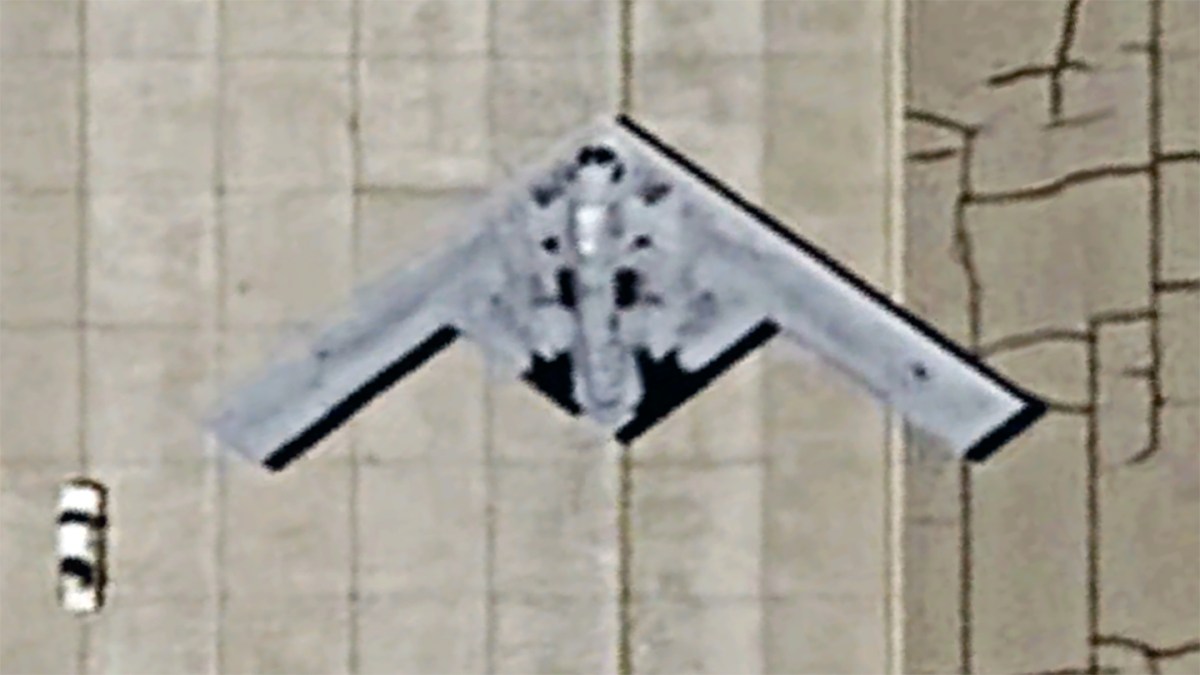
The B-52 is an unusual aircraft in modern defense planning: an old platform that the Air Force still considers essential. The logic is clear enough. The service is pursuing a future two-bomber force built around the in-production B-21 Raider and a revitalized B-52 fleet. That strategy only works if the older aircraft remains dependable and credible for decades longer.
For now, the message from the Air Force is that the modernization effort is no longer drifting. Congress will likely want harder evidence. The next milestones, especially flight testing and updated cost baselines, will determine whether stabilization turns into sustained execution or proves to be only a temporary recovery narrative.
This article is based on reporting by Breaking Defense. Read the original article.
Originally published on breakingdefense.com