A Show of Strategic Force
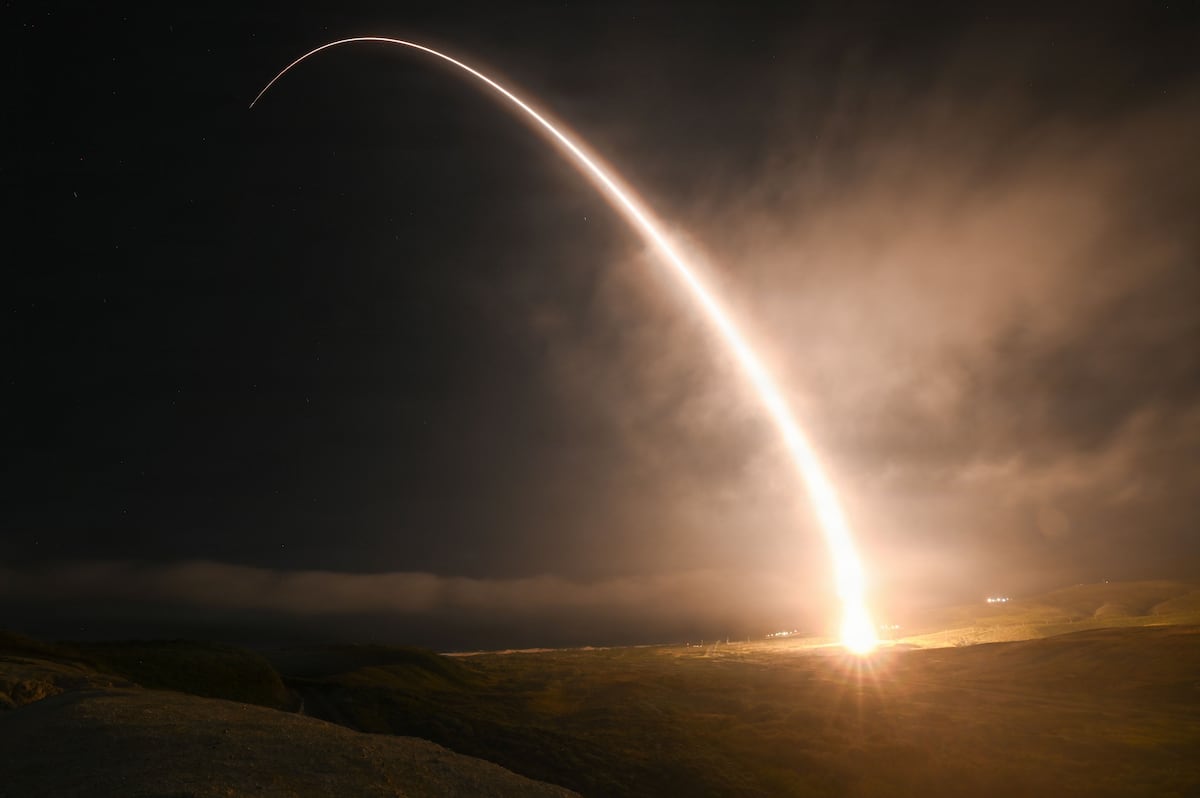
The United States Air Force has successfully test-launched a Minuteman III intercontinental ballistic missile equipped with multiple reentry vehicles from Vandenberg Space Force Base in California. The test, which sent unarmed reentry vehicles arcing across the Pacific to a target area near the Kwajalein Atoll, demonstrated the continued operational readiness of America's ground-based nuclear deterrent — a weapon system that has been in service for over five decades.
The use of multiple reentry vehicles, which allows a single missile to deliver several warheads to separate targets, is a particularly significant aspect of the test. While the specifics of the test configuration remain classified, the demonstration sends a clear signal about U.S. strategic capabilities at a time of heightened nuclear tensions with multiple adversaries.
The Minuteman III's Enduring Role
The Minuteman III has been the backbone of the U.S. land-based nuclear deterrent since the early 1970s. Originally designed for a ten-year service life, the missile has been repeatedly upgraded and life-extended, making it one of the longest-serving weapon systems in the American arsenal. Approximately 400 Minuteman III missiles remain deployed in hardened silos across Montana, Wyoming, and North Dakota.
Each test launch serves multiple purposes. It validates the reliability of aging components, tests the missile's guidance and propulsion systems under real flight conditions, and provides training for the launch crews who maintain constant readiness at missile alert facilities. The tests also send diplomatic and strategic signals to potential adversaries about the credibility of the U.S. nuclear deterrent.
Key Facts About the Minuteman III
- First deployed in 1970, making it over 55 years old
- Range exceeds 8,000 miles with a speed of approximately 15,000 mph
- Currently the only land-based ICBM in the U.S. nuclear triad
- Approximately 400 missiles deployed across three Air Force bases
- Scheduled for replacement by the LGM-35A Sentinel beginning in the early 2030s
The Sentinel Question
The test comes against the backdrop of significant challenges facing the Sentinel program, the next-generation ICBM designed to replace the Minuteman III. The Sentinel program has faced cost overruns and schedule delays, with the estimated price tag exceeding $140 billion — roughly double the original projection. These difficulties have prompted congressional scrutiny and raised questions about whether the program can deliver on its timeline.
Every successful Minuteman III test simultaneously reassures policymakers that the current system remains viable and underscores the urgency of fielding its replacement before age-related reliability issues become insurmountable. The missiles' electronics, propulsion components, and warheads have all been refurbished multiple times, but each life extension becomes more challenging as the original engineering documentation and manufacturing processes recede further into history.
Strategic Context
The test occurs amid a period of renewed great-power competition that has pushed nuclear deterrence back to the forefront of U.S. defense planning. Russia's ongoing conflict in Ukraine and its periodic nuclear saber-rattling, China's rapid expansion of its nuclear arsenal, and North Korea's continued missile development have all contributed to a security environment in which the credibility of nuclear deterrence carries heightened importance.
The land-based leg of the nuclear triad — along with submarine-launched ballistic missiles and strategic bombers — remains central to U.S. deterrence strategy. Proponents argue that dispersed, hardened ICBM silos present any adversary with an overwhelming targeting problem, absorbing warheads that might otherwise be directed at population centers or other strategic assets. Critics counter that the land-based missiles are vulnerable to a first strike and unnecessarily increase the risk of accidental nuclear war.
Regardless of the debate, the Minuteman III will continue to stand alert for at least another decade, and tests like this one ensure that both American policymakers and potential adversaries have confidence in its ability to perform as designed.
This article is based on reporting by Defense News. Read the original article.
Originally published on defensenews.com