New Andrews squadron marks a major helicopter mission shift
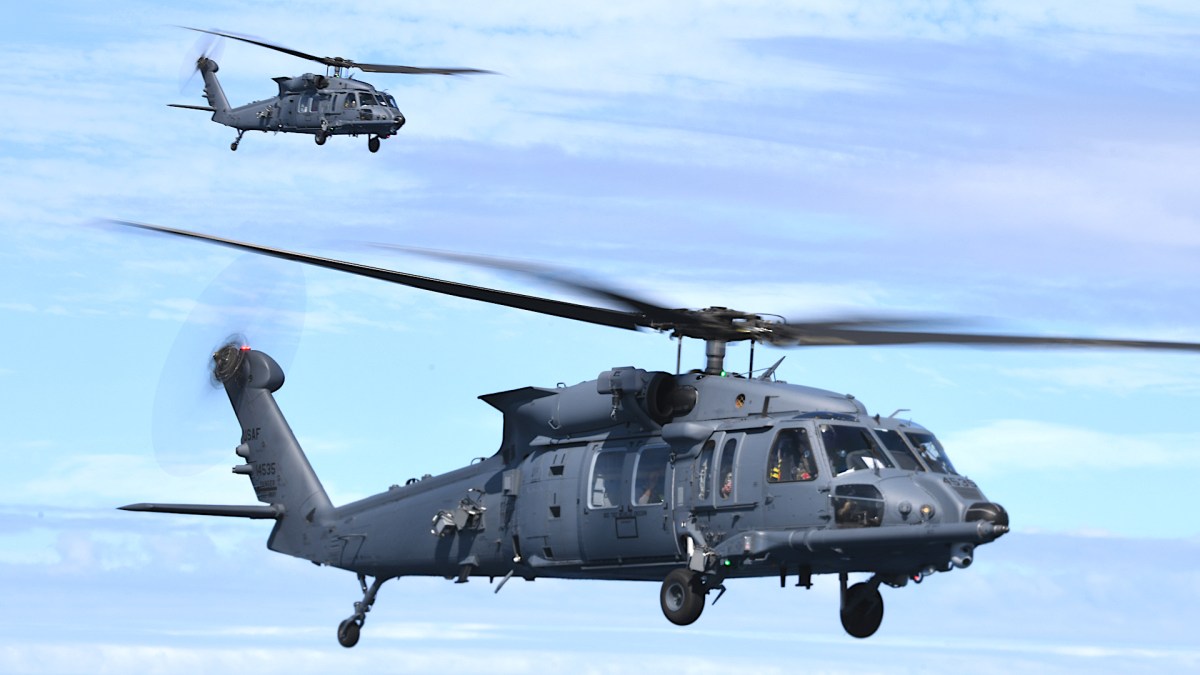
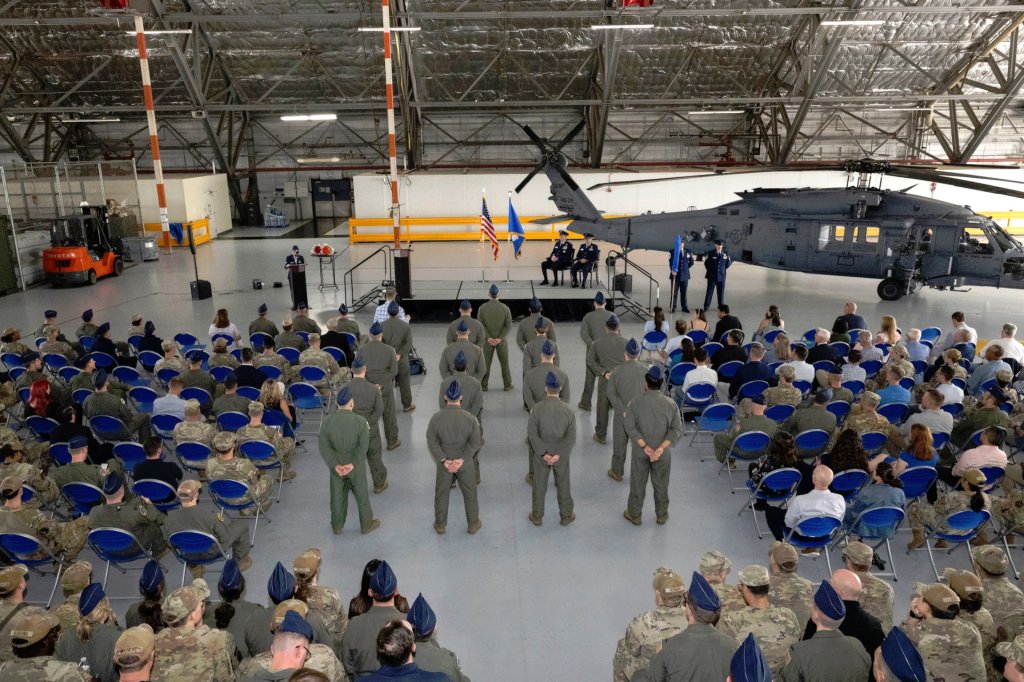
The U.S. Air Force has formally activated a new helicopter squadron at Andrews Air Force Base to receive HH-60W Jolly Green II aircraft for missions tied to VIP transport and continuity of government in the Washington area. The move creates a new unit, the 5th Helicopter Squadron, while beginning a long transition away from the aging UH-1N Twin Huey fleet that has carried out those duties for years.
According to the supplied report, the Air Force held the activation ceremony on August 27, 2026. The 1st Helicopter Squadron will continue operating UH-1Ns during the transition, which the service expects to complete in 2030. That overlap is intended to avoid any break in what the Air Force describes as critical operational capacity.
The plan calls for 26 HH-60W helicopters at Andrews, replacing the existing UH-1N force on a one-for-one basis. The change will also bring a modest manpower increase, with about 60 additional personnel at the base. While those numbers are limited in absolute terms, the mission significance is not. Andrews sits just outside Washington, D.C., and supports some of the most politically sensitive airlift and emergency response responsibilities in the U.S. military system.
Why the HH-60W matters
The HH-60W was originally designed for combat search and rescue rather than domestic VIP transport. That is why the Air Force decision stands out. The helicopter will arrive at Andrews in a specialized configuration tailored to the squadron’s unique task set, which includes ferrying senior officials around the capital region and supporting continuity-of-government plans in a crisis.
Continuity-of-government missions are among the least routine but most consequential assignments in the defense structure. They are built around the premise that national leadership and command functions must remain mobile and survivable during a catastrophic emergency. A more capable aircraft in that role could improve range, payload, survivability, and overall mission flexibility, though the supplied text does not provide a full technical breakdown of the Andrews-specific configuration.
What it does make clear is that the HH-60W represents a capability upgrade over the UH-1N fleet now assigned there. The UH-1N is a legacy platform, and replacing it has been an Air Force priority for some time. The striking part is not that the replacement is happening, but that the service is using a helicopter developed for a different core mission area.
A break from the original replacement plan
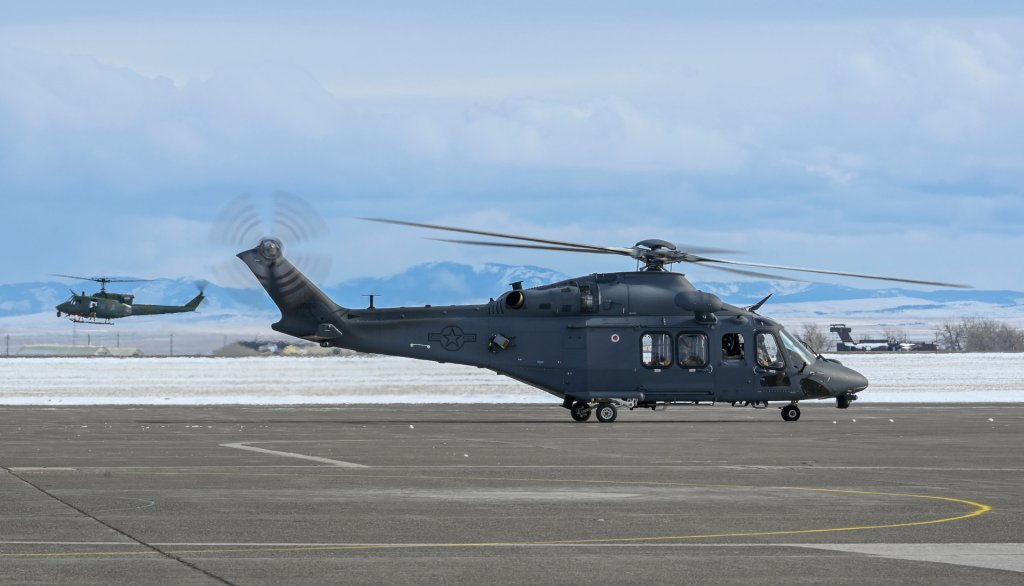
The report notes that the Air Force had originally planned to replace all of its UH-1Ns worldwide with the MH-139 Grey Wolf, a platform described as a more direct match in size and capability. That remains the plan in other parts of the service. MH-139s are still being acquired to replace UH-1Ns elsewhere, including in Air Force Global Strike Command units that support security around Minuteman III intercontinental ballistic missile fields.
That means the Andrews decision is not a universal fleet strategy. It is a mission-specific divergence. The Air Force is effectively splitting its UH-1N replacement pathway, using the MH-139 in some roles while assigning the HH-60W to the National Capital Region mission set. Inference from the supplied report: the service appears to believe that the requirements around Washington justify a different aircraft choice than those used at missile-support bases and other locations.
That choice is also why the move has drawn questions. If the HH-60W is assigned to high-profile domestic missions, what does that mean for the broader rescue fleet it was built to support? The article says concerns have been raised about the effect on the Air Force’s ability to meet combat search-and-rescue demands. In other words, every HH-60W redirected to Andrews is an aircraft not available for the mission it was originally procured to perform.
Capability gains, but also force-structure questions
The Air Force appears to be balancing two competing realities. First, the Washington-area helicopter mission is strategically important and politically unforgiving. Aircraft assigned to it must be reliable, available, and capable under demanding conditions. Second, the HH-60W fleet exists in a broader force structure where combat rescue requirements do not disappear simply because another mission becomes urgent.
That tension explains much of the scrutiny surrounding the new squadron. The question is not whether Andrews deserves modern helicopters. It is whether the Air Force is using the right modern helicopter for this specific mission and whether the downstream effects on the rescue enterprise are acceptable. The report does not resolve that debate, but it makes clear that the issue is already live.
There is also an organizational signal in standing up a new squadron rather than simply folding the aircraft into an existing one. Creating the 5th Helicopter Squadron gives the transition institutional weight and suggests the Air Force sees this as more than a simple equipment swap. It is setting up a dedicated structure to manage a specialized fleet and mission profile over multiple years.
What the transition means through 2030
The timeline matters. With transition completion not expected until 2030, the Air Force is committing to a lengthy overlap period in which old and new fleets coexist at Andrews. That approach reduces operational risk, but it also means the service must sustain training, maintenance, and mission readiness across two different helicopter types during the changeover.
For policymakers and defense watchers, the development is notable because it ties together modernization, homeland contingency planning, and force-allocation tradeoffs in a single program decision. It also shows how aircraft procurement paths can diverge once mission requirements become more specialized. The Air Force may still view the MH-139 as the general UH-1N replacement, but Andrews is now on a different track.
The activation of the 5th Helicopter Squadron therefore marks more than an administrative milestone. It opens a transition that will shape how the Air Force handles some of its most sensitive domestic helicopter missions for years to come. If the HH-60W performs as intended in its specialized Andrews role, the service gains a more capable platform for capital-region transport and emergency continuity missions. If the reassignment meaningfully strains combat rescue capacity, criticism will likely intensify. Either way, the decision is a consequential one, and the stand-up at Andrews is the first visible sign that the Air Force has committed to it.
This article is based on reporting by twz.com. Read the original article.
Originally published on twz.com