Texas power politics are catching up with data center growth
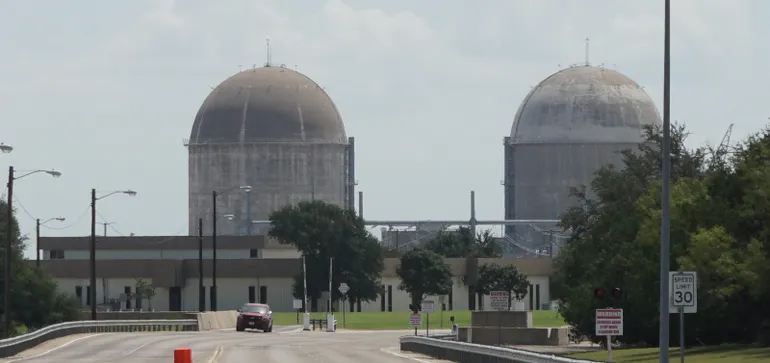
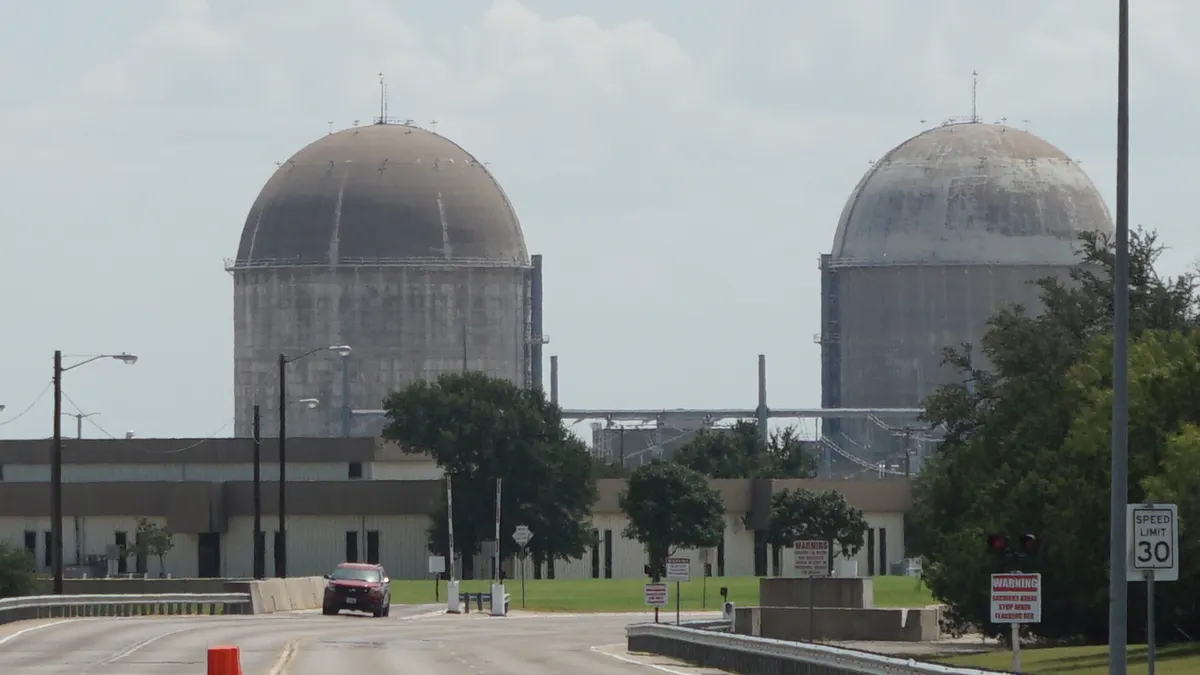
Vistra, one of the largest power companies in the United States, has publicly backed a pause on data center development in Texas while the state reviews projects waiting in the Electric Reliability Council of Texas interconnection queue. The position is notable not only because of Vistra’s scale, but because the company is directly involved in one of the state’s most closely watched power-and-compute arrangements: a long-term agreement to deliver electricity from its Comanche Peak nuclear plant to an Amazon data center project.
On an earnings call, Vistra executives said they support the conversation underway in Texas about auditing the queue and determining which projects are real, ready, and worth advancing. Chief executive Jim Burke put it bluntly, saying he would like to see the queues culled. That phrasing captures the current tension in ERCOT. Texas wants the economic upside of artificial intelligence infrastructure, hyperscale computing, and industrial electrification, but it also needs a credible process for deciding which giant proposed loads will actually materialize.
The scale of the challenge is large. Vistra cited an ERCOT interconnection queue totaling 474 gigawatts, made up mostly of large loads that include data centers. That number vastly exceeds the near-term projects likely to be built. In practice, queues often attract speculative applications, placeholder requests, and projects that are years away from financing, siting, or construction. For grid operators, that creates noise. For policymakers and utilities, it can distort planning, transmission assumptions, and reliability decisions.
Vistra’s message is that Texas should separate serious baseload-linked projects from speculative demand before the queue becomes an even bigger obstacle to execution. The company does not appear to believe that this review will disrupt its own high-profile arrangement with Amazon. Executives said they still expect the data center near Comanche Peak to energize on schedule, with power deliveries beginning in 2027 under the 20-year agreement announced last year.
Why this matters beyond one earnings call
The broader importance of Vistra’s comments is that they reflect a new phase in the U.S. data center buildout. The story is no longer just about demand growth. It is now about demand discipline. States, utilities, and grid operators are being forced to distinguish between theoretical AI-era load and physically deliverable, financeable projects tied to actual generation and infrastructure.
Texas has been a focal point because it offers abundant land, a large and competitive power market, and a business environment that has attracted industrial growth for years. It is also a place where reliability concerns can quickly become political. ERCOT operates largely within Texas, which gives state leaders more direct ownership of outcomes than in many other U.S. regions. That makes queue management a governance issue as much as an engineering one.
Vistra’s framing is also useful because it introduces a distinction between projects backed by dependable generation and projects that exist mostly on paper. Burke said baseload projects that have already been studied would be expected to move forward. In the context of the Amazon deal, that means the company sees its nuclear-linked arrangement as fundamentally different from speculative proposals seeking capacity without the same level of grounding in existing infrastructure.
This is a key shift in the market narrative. For the past two years, investor and industry discussion around data centers has often focused on sheer megawatt demand. But the practical bottlenecks are now front and center: interconnection studies, transmission access, local grid readiness, water use in some cases, and long-term power certainty. A queue full of megawatt requests does not equal bankable load growth.
Nuclear, AI, and the credibility test
The Comanche Peak arrangement shows why power companies are trying to position themselves on the more credible side of that divide. Vistra’s 2.4-gigawatt nuclear plant is set to begin delivering power to Amazon in 2027, and Amazon is building a $5 billion data center project near the site. That combination of existing baseload generation, a named offtaker, and a defined project location gives the deal a level of specificity many queue entries lack.
At the same time, even solid projects are operating in a market where timing matters. Vistra executives noted that softer wholesale power prices in 2026 were not a major surprise because the largest new load additions are expected later, in the 2027 to 2028 window. That implies an important sequencing point for investors and policymakers: today’s market conditions may still look manageable even while tomorrow’s demand pipeline appears enormous.
Vistra also lowered its expected annual ERCOT load growth range slightly, now anticipating 4% to 6% rather than the previous quarter’s 5% to 6%. That is still a substantial figure in power-market terms, but it reinforces the idea that load forecasts are being refined as reality checks set in.
- Vistra said it supports a Texas pause on some data center development pending an interconnection queue audit.
- The company said its Comanche Peak nuclear power agreement with Amazon does not currently appear to be affected.
- ERCOT’s interconnection queue was cited at 474 gigawatts, mostly large loads including data centers.
- Vistra expects Amazon-related load to come online in the 2027 to 2028 time frame.
The next phase of infrastructure selection
What Texas does next could shape how other states handle the collision between digital infrastructure ambition and electric system realism. If queue reform becomes a prerequisite for approving or accelerating major new loads, data center developers may face a more selective environment than the recent boom years suggested. That does not mean demand is weakening. It means credibility is becoming a scarce resource.
For power providers, the opportunity remains large, especially for those that can pair major customers with firm generation and clear timelines. For state officials, the challenge is to avoid choking off genuine investment while preventing speculative projects from overwhelming planning processes. For data center developers, the message is becoming harder to ignore: access to power is no longer just a procurement line item. It is the central constraint.
Vistra’s endorsement of a pause is therefore more than a passing comment from an earnings call. It is a sign that even companies positioned to benefit from the AI and data center boom want a tighter filter on which projects move through the system. In Texas, where growth is often celebrated first and sorted out later, that is a meaningful shift in tone.
If that tone hardens into policy, the state could become an early test case for a more mature phase of the data center era, one where interconnection queues are treated less as wish lists and more as instruments of infrastructure triage. For a power-hungry digital economy, that may be exactly where the next battle over growth gets decided.
This article is based on reporting by Utility Dive. Read the original article.
Originally published on utilitydive.com